I remember sitting in a crowded, neon-lit maker space a few years back, the air thick with the scent of ozone and solder, surrounded by people who were physically inches apart yet seemingly worlds away, each lost in their own glowing rectangle. It was a jarring realization of what changed about meeting people this decade; we transitioned from the messy, beautiful friction of physical proximity to a world where our social lives are curated through high-resolution filters. It’s no longer about the serendipitous collision in a coffee shop, but rather the rhythmic, pixelated pulse of digital algorithms trying to predict who we might actually vibe with.
I’m not here to give you a dry lecture on sociological shifts or a list of depressing statistics about loneliness. Instead, I want to pull back the curtain on how this digital choreography actually affects our souls and our creativity. I promise to share some honest, experience-based reflections on how we can navigate this new landscape without losing our humanity. We’re going to explore how to find genuine, soulful connections in a world of endless scrolling, ensuring that even in a digital age, our stories remain as colorful and diverse as a well-mixed palette.
Pixels vs Presence Navigating the Digital vs in Person Connection
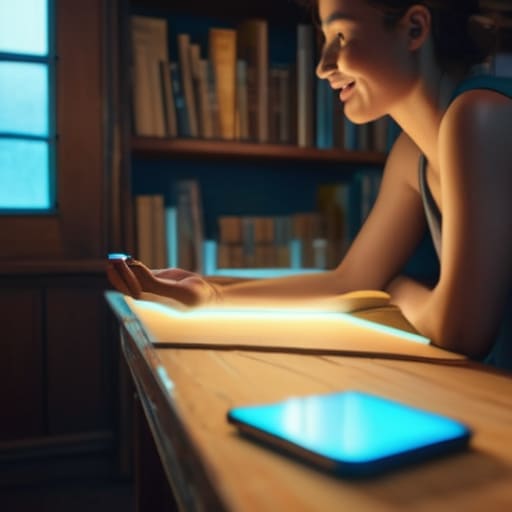
Think of our social lives like a vintage record player. For a long time, we were used to the warm, tactile crackle of physical presence—the spontaneous “hello” at a local café or the shared energy of a crowded bookstore. But lately, it feels like we’ve swapped that analog warmth for a sleek, high-definition stream. While the digital vs in-person connection offers us a dizzying array of choices, it can sometimes feel like we’re staring at a beautifully rendered 3D model of a person rather than feeling the actual weight of their presence in a room.
We’ve moved into an era where much of our “meeting” happens through a glass pane, which has fundamentally altered the evolution of modern friendship. It’s no longer just about who is physically near us, but about who fits into our curated digital feeds. This shift has turned social interaction into something much more intentional—and sometimes, much more exhausting. We aren’t just bumping into people anymore; we are carefully navigating algorithms to find them, trading the messy, beautiful serendipity of a physical crowd for the polished, yet often solitary, glow of a screen.
The Quiet Echoes of Post Pandemic Social Anxiety Trends
There’s a specific kind of heaviness that settles in when you realize the “social muscle” we all once relied on has gone a bit limp from disuse. It’s like trying to play a complex piece on a piano you haven’t touched in years; the notes are all there in your head, but your fingers just won’t cooperate with the keys. We are seeing these profound post-pandemic social anxiety trends manifest in the way we approach even the simplest interactions, from ordering a coffee to making eye contact on a train. The digital buffer we built to protect ourselves has become a bit too thick, acting less like a shield and more like a frosted pane of glass that obscures the warmth of real-time spontaneity.
This hesitation often stems from the shrinking availability of “third places”—those cozy, communal anchors like independent bookstores or local cafes where connection happens by accident. Without these low-stakes stages for social rehearsal, every encounter starts to feel like a high-stakes performance. We’ve traded the effortless flow of casual proximity for a world where every interaction feels curated, leaving many of us feeling a little bit lost in the transition.
The New Social Choreography: 5 Ways to Dance with the Digital Age
- Treat your digital presence like a beautifully curated gallery, not a cluttered storage unit. In this decade, your online persona is the “front door” to your world; keep it authentic and intentional, so when people finally step inside, they feel the warmth of the real you.
- Embrace the “Micro-Moment” connection. We’ve moved away from the heavy, long-form social rituals of the past toward quick, rhythmic bursts of interaction—think of them as digital appetizers that build the appetite for a real-life main course.
- Master the art of the “Digital Handshake.” Since first impressions often happen via a screen now, learn to signal your presence with warmth and clarity; a thoughtful comment or a well-timed reaction is the modern equivalent of a firm, friendly handshake.
- Protect your “Analog Sanctuary.” Just as a painting needs negative space to breathe, your social life needs unplugged pockets. Don’t let the constant ping of notifications drown out the subtle, unscripted magic that only happens when you’re fully present in the physical room.
- Lean into the “Niche-to-Neighbor” pipeline. Technology has turned the world into a giant, global neighborhood; use your digital tools to find your specific “tribe” of weirdos and wonders, then use that shared passion as the bridge to meet them in the flesh.
The New Dance of Connection
As we look back at how much the rhythm of our social lives has shifted, it’s clear that we aren’t just returning to an “old normal.” We’ve navigated the friction between the glowing screen and the physical room, and we’ve felt the heavy, quiet weight of social anxiety reshaping how we approach a crowded cafe or a Zoom call. We’ve learned that digital connection can be a beautiful bridge, but it can also feel like a shallow reflection in a dark mirror if we aren’t careful. Ultimately, this decade has taught us that human connection is no longer a single, straight line; it is a complex, multi-layered tapestry of both pixelated pulses and physical presence.
So, where do we go from here? I like to think of our future connections as a new kind of digital installation—one where we are both the artists and the audience. We have the tools to build bridges that transcend borders, but we must remember to keep the human heartbeat at the center of our code. Don’t be afraid to let your digital life bleed into your physical one, and vice versa, as long as you stay intentional. Let’s stop trying to choose between the screen and the soul, and instead, start choreographing a life where technology serves to amplify the beautiful, messy, and wonderful reality of being human.
It’s almost like we’ve all been trying to learn a new, complex choreography without a rehearsal, stumbling through these digital steps while trying to find our footing in the real world. If you’re feeling a bit lost in the rhythm of modern social dynamics, I’ve found that leaning into more intentional, curated spaces can act like a steady metronome for your social life. For instance, exploring platforms like www.sexlondon.net has been a wonderful way to find more authentic pulses of connection that feel less like a frantic scroll and more like a meaningful, shared experience.