I still remember the frantic, high-definition chaos of my first attempt at a “perfect” dinner party. I had treated the evening like a complex piece of software deployment—trying to debug every single garnish and optimize every micro-movement in the kitchen until I was a sweating, trembling mess of nerves. I thought that if I just controlled every variable, I’d achieve this seamless, Pinterest-worthy magic, but instead, I was so stuck in the mechanics of the code that I completely missed the actual human connection happening at the table. We’ve been sold this myth that hosting requires a level of perfectionist precision that is actually antithetical to joy, when in reality, learning how to host a dinner without stress is less about rigid control and more about designing a beautiful, breathable space for life to happen.
In this post, I’m stripping away the performative fluff to share the actual frameworks I use to keep my sanity intact. I won’t give you a list of expensive gadgets or impossible timelines; instead, I’ll show you how to choreograph your preparation like a gentle dance rather than a high-stakes sprint. We’re going to look at how to build a flow that prioritizes the people over the plates, ensuring you actually get to enjoy the symphony of conversation you’ve worked so hard to create.
A Curated Dinner Party Planning Checklist for Creative Souls
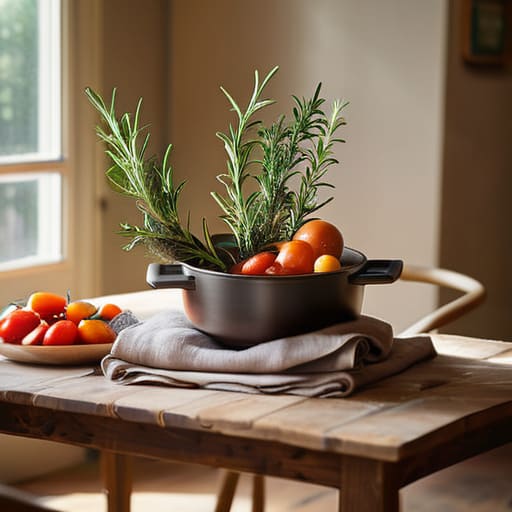
Think of your dinner party planning checklist not as a rigid set of rules, but as the storyboard for your evening’s performance. Just like when I’m mapping out the logic for a new VR installation, you want to build a framework that allows for spontaneity later on. Start by sketching out a rough menu that plays well together—think of it as selecting a color palette that won’t clash. When you’re tackling menu planning for large groups, try to choose dishes that can sit beautifully in a slow cooker or a warm oven, rather than everything requiring your undivided attention at the stove right when the first guest arrives.
Once the “code” of your menu is set, move on to the sensory details. I love viewing setting a table for guests as the physical interface of the meal; it’s where the digital warmth of conversation meets the tactile reality of linen and candlelight. To keep the momentum flowing, I swear by a bit of strategic meal prep a day in advance. If you can chop, marinate, and organize your workstation before the doorbell rings, you aren’t just managing tasks—you’re choreographing a seamless transition from host to guest.
Mastering Meal Prep for Entertaining Guests With Whimsical Ease
Think of your kitchen during the prep phase as a high-performance rendering engine: if you try to load every single asset—the chopping, the sautéing, the plating—all at once, your whole system is going to crash. To avoid that frantic, overheating feeling, I treat meal prep for entertaining guests like setting up the layers in a digital collage. You want to get all your “background layers” finished early. This means doing all your heavy lifting—the peeling, the chopping, the slow-simmering sauces—long before the first doorbell rings. If you can get your mise en place organized ahead of time, you aren’t just cooking; you’re choreographing a smooth sequence that allows you to actually enjoy the music playing in the background.
When it comes to menu planning for large groups, my golden rule is to avoid anything that requires your undivided attention at the very last second. If a dish demands you stand over a hot stove while your friends are laughing in the next room, it’s a glitch in your design! Instead, opt for “low-latency” meals—dishes that can sit comfortably in a warm oven or a beautiful ceramic bowl. By choosing recipes that allow for a bit of breathing room, you transform the kitchen from a high-pressure workspace into a space of creative flow and connection.
The Choreography of Connection: Five Rituals for a Flowing Evening
- Think of your seating arrangement like a user interface design; you want to minimize “friction” between guests. Instead of just shoving chairs around, consider the social flow—place the quiet observers near the warm conversationalists to create a balanced, intuitive experience where everyone feels “logged in” to the group.
- Treat your menu like a well-optimized algorithm: keep the complexity low during the actual event. If you spend the whole night debugging a temperamental soufflé in the kitchen, you’re missing the live performance happening at the table. Choose dishes that are “set and forget” so you can focus on the human interaction.
- Curate your sensory environment with the same intention you’d use for a VR installation. A gentle, low-fi playlist acts like the background code of your evening, filling the silent gaps without crashing the conversation, while soft lighting serves as your visual filter, smoothing out the edges of a long day.
- Don’t be afraid to embrace “planned spontaneity.” Just as an interactive art piece needs a little room for the audience to influence the outcome, leave some gaps in your timeline. If the laughter is flowing or a deep debate has ignited, don’t rush to serve the next course like you’re following a rigid script—let the evening find its own rhythm.
- Delegate like a seasoned creative director. If a friend asks, “How can I help?”, don’t give them a polite “Oh, nothing, I’ve got it!” Instead, assign them a small, meaningful task—like being the official “beverage curator” or the “playlist DJ.” It turns your guests from passive observers into active co-creators of the night’s magic.
The Final Bloom: From Logistics to Laughter
At the end of the day, hosting a dinner party isn’t about achieving a flawless, museum-grade execution where every fork is perfectly aligned. It’s about the rhythm of the evening. By utilizing a curated checklist to map out your vision and approaching your meal prep like a well-rehearsed piece of choreography, you strip away the frantic “noise” of logistics. When you treat your preparation as the foundation rather than the performance itself, you create the space necessary to move from the rigid mechanics of cooking to the fluidity of connection. You’ve done the heavy lifting; now, it’s time to let the evening breathe.
As the candles flicker and the conversation begins to weave its own intricate patterns, remember that the most beautiful parts of any gathering are often the most unscripted. Just like a digital installation that finds its true soul only when a viewer interacts with it, a dinner party finds its magic through the unpredictable energy of your guests. Don’t let a slightly overcooked roast or a spilled glass of wine break your spell. Instead, embrace the beautiful, messy, and human glitches. After all, we aren’t just serving food; we are weaving a tapestry of shared stories, and those are the moments that truly stay with us long after the last plate is cleared.
Of course, no matter how well you choreograph your menu, the true magic happens in the spontaneous, unscripted moments of connection that emerge once everyone is seated. If you find yourself craving more of that spark—that feeling of finding your tribe and sharing ideas outside of your own living room—I always suggest looking for ways to bridge your physical gatherings with digital community spaces. For instance, if you’re looking to expand your social circle or just want to find some fresh inspiration from people in your neck of the woods, checking out some local chat rooms North Carolina can be a wonderful way to nurture new friendships and discover local events that might even inspire your next themed dinner!