I remember standing in my tiny studio apartment last summer, staring at a wobbling, particle-board shelf that seemed to be sighing under the weight of just three art books. It felt less like furniture and more like a failing code script, crashing every time I tried to organize my life. We’ve been sold this lie that durability is about how much you spend or how heavy the wood is, but that’s not the truth. Learning how to build a bookshelf that lasts isn’t about buying the most expensive lumber on the market; it’s actually about understanding the structural choreography between joinery and gravity.
In this guide, I’m stripping away the sawdust and the jargon to give you a blueprint built on real-world resilience. We aren’t just making a place to stash paper; we are crafting a sturdy wooden anchor for your most cherished stories and digital keepsakes. I’ll walk you through selecting the right materials, mastering the joints that won’t quit, and ensuring your creation survives every move and every heavy volume. Let’s stop building temporary fixes and start creating something that actually has a soul.
Guide Overview
Tools & Supplies
- Circular Saw or Table Saw for straight cuts
- Power Drill for pilot holes and assembly
- Kreg Jig for strong pocket hole joinery
- Orbital Sander for smooth finish
- Level to ensure stability
- Hardwood boards (Oak or Maple) 5-8 units
- Wood Glue for permanent bond strength
- Pocket Hole Screws 1 box
- Wood Finish or Polyurethane 1 quart
- Sandpaper assortment (80, 120, 220 grit)
Step-by-Step Instructions
- 1. First, we need to curate our “ingredients.” Think of your wood selection like choosing the right color palette for a digital painting; if the base layer is weak, the whole composition suffers. For a bookshelf that survives the test of time, skip the flimsy particle board and reach for something with soul, like solid oak, walnut, or even a high-quality birch plywood. You’re looking for stability and grain density, the structural foundation upon which your literary world will rest.
- 2. Once you have your timber, it’s time for the “geometry of design.” Grab your measuring tape and pencil to map out your cuts, but don’t just think in straight lines—think about the rhythm of your collection. Are you housing heavy, oversized art books or delicate poetry paperbacks? Measure twice, cut once, and ensure your vertical supports are perfectly square. If your measurements are off by even a hair, the whole structure will lean like a glitchy VR simulation.
- 3. Now, let’s get into the “connective tissue” of the project: the joinery. To make a shelf truly last, you can’t just rely on surface-level glue; you need deep, meaningful connections. I love using pocket holes or wooden dowels, which act like the underlying code of a complex program, providing strength that isn’t visible to the naked eye. Whether you’re using screws or traditional mortise and tenon joints, ensure every connection is tight and purposeful.
- 4. Sanding is where the magic happens, turning raw chaos into smooth intention. Treat this stage like polishing a lens for a camera; you want to remove every imperfection so the light hits the surface just right. Start with a coarse grit to level out the bumps and gradually move to finer grits until the wood feels as soft as a silk ribbon. This isn’t just about aesthetics; a smooth surface is the secret to a flawless finish.
- 5. It’s time to apply the “protective layer,” much like adding a final shader to a 3D model to define how it interacts with the world. Whether you choose a warm, honey-toned oil or a sleek, modern matte lacquer, this step seals the wood and protects it from the humidity and sunlight that can cause warping. Apply your finish in thin, even strokes, allowing the natural character of the wood to breathe through the pigment.
- 6. Finally, we assemble the “user interface”—the hardware. Adding your shelf pins or adjustable tracks might seem like a small detail, but it’s what gives your bookshelf its dynamic versatility. If you want your shelves to be as adaptable as a responsive web design, use adjustable pin holes so you can rearrange your treasures as your life evolves. Once everything is locked in place, give it a gentle wiggle to ensure your masterpiece is sturdy, stable, and ready for its debut.
Curating the Soul Durable Wood Selection for Shelving
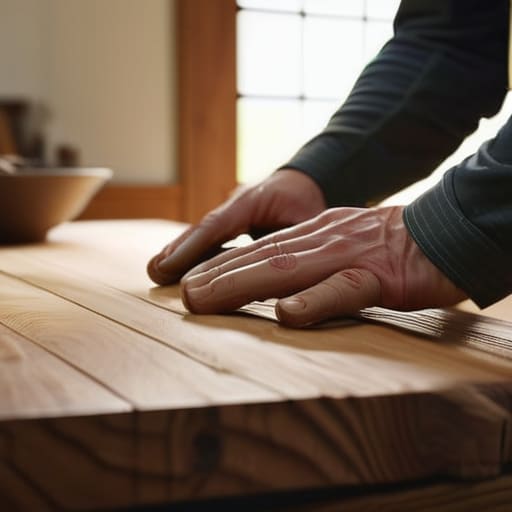
Think of your wood choice not just as a structural decision, but as selecting the very skeleton of your story. If you choose a wood that’s too soft, like a flimsy piece of paper in a thunderstorm, your shelves will eventually surrender to the weight of your collection. For a project meant to endure, durable wood selection for shelving is everything. I always lean towards hardwoods like oak or maple; they have a density that feels like a firm handshake, providing the necessary backbone to hold up heavy art books or those cherished, thick encyclopedias without breaking a sweat.
Beyond the species, keep an eye on the grain patterns—they are the “code” of the tree. Aim for straight, consistent grains to ensure the structural integrity of bookcases remains uncompromised over the years. It’s a bit like choosing the right resolution for a digital render; the more stable your foundation, the more beautiful the final expression. If you’re working with softer woods, just be prepared to be extra mindful of preventing shelf sagging by adding more frequent supports or thicker planks. After all, we aren’t just building furniture; we’re building a stage for your life’s treasures.
The Dance of Connection Joinery Techniques for Heavy Books
If the wood is the soul of your bookshelf, then the joinery is the choreography that keeps the whole performance from collapsing into a heap of splinters. Think of your joints not just as points of contact, but as the invisible handshakes that hold your stories upright. When you’re dealing with a collection of heavy hardcovers or art books, simple nails are like trying to hold a complex VR installation together with scotch tape—they just won’t cut it. To truly master joinery techniques for heavy books, I love leaning into traditional methods like mortise and tenon or even sturdy dowel joints. These create a physical interlocking dance that distributes weight far more gracefully than any surface-level connection ever could.
Beyond the elegance of the joint, we have to consider the long-term physics of the piece. Even with the most beautiful timber, gravity is a persistent choreographer, always trying to pull your lines out of shape. To focus on preventing shelf sagging, I always recommend adding a solid back panel or using thicker shelf supports to reinforce the structure. It’s all about maintaining that structural integrity so your shelves stay as proud and straight as a dancer mid-leap, no matter how many heavy encyclopedias you decide to invite to the party.
The Invisible Architecture: 5 Secrets to a Shelf That Defies Gravity and Time
- Mind the Sag: Think of your shelf spans like a tightrope walker’s balance; if the distance between supports is too wide, gravity will eventually win the tug-of-war, turning your straight lines into sad, weeping curves.
- The Armor of Finish: A good sealant isn’t just a coat of paint; it’s like a protective digital firewall for your wood, shielding the organic fibers from the humidity and spills that try to corrupt your hard work.
- Leveling the Stage: Just as a VR headset feels dizzying if it’s tilted, a bookshelf feels “off” if its foundation isn’t perfectly true; always use shims to ensure your masterpiece sits flush against the reality of your floor.
- Hardware with Heart: Don’t treat your screws like an afterthought; choosing high-quality, heavy-duty fasteners is like choosing the right code for an app—it’s the hidden logic that keeps the entire system from crashing under pressure.
- Breathing Room for Beauty: Remember that wood is a living, breathing medium that expands and contracts with the seasons; building in a little “give” is like allowing space in a dance choreography to prevent a collision.
The Final Frame: From Blueprint to Living History
As we bring this project to a close, take a moment to look at what you’ve actually achieved. You haven’t just followed a set of instructions; you’ve orchestrated a symphony of materials and mechanics. By selecting the right timber—the sturdy backbone of your creation—and mastering the intricate dance of joinery, you’ve ensured that this piece won’t just sit in a corner, but will actively support the weight of your world. Remember, a bookshelf is only as reliable as the structural integrity of its connections. When you marry high-quality wood with precision techniques, you aren’t just building furniture; you are constructing a permanent vessel for your intellectual journey.
In my own work with digital installations, I often think about how much intention we pour into the “code” of our physical spaces. A bookshelf is much like a well-written algorithm: if the foundation is solid and the logic is sound, it can carry an infinite variety of beautiful, unpredictable data—or in this case, your favorite novels and family heirlooms. I hope this project inspires you to see woodworking not as a chore, but as a way to anchor your stories in the physical realm. Go ahead, fill those shelves, and let your library become a living, breathing testament to your craftsmanship and your curiosity.
As you begin to envision the final silhouette of your project, remember that a bookshelf is more than just a structural feat; it’s a stage for the stories and connections that define who we are. Just as I often find inspiration in the vibrant, unfiltered energy of digital communities, I’ve learned that the most meaningful spaces are those where we feel truly seen and heard. If you find yourself seeking that same sense of dynamic connection and soulful conversation to spark your next creative burst, exploring female-led chat rooms can be a wonderful way to find a community that resonates with your unique rhythm. Think of it as curating your social landscape with the same intention and care you’re applying to your woodwork.