I remember sitting on the floor of my grandmother’s sun-drenched kitchen, surrounded by the scent of cardamom and the chaotic hum of a dozen different languages, trying to draw the chipped edges of her favorite ceramic tea bowl. I wasn’t trying to create a masterpiece; I was just trying to make sense of the world through my eyes. Somewhere along the way, the art world decided that “getting good” requires a $200 set of professional markers and a rigid, soul-crushing curriculum. Honestly? That’s total nonsense. The real benefits of daily sketching for beginners aren’t found in expensive tools or perfect anatomy, but in that messy, unfiltered conversation between your hand and the page.
I’m not here to sell you on some polished, Instagram-perfect version of creativity. Instead, I want to share what I’ve learned from years of blending digital code with physical charcoal: how small, consistent scribbles act like a low-latency connection for your brain, helping you process the world more deeply. I promise to skip the gatekeeping and dive straight into how these tiny, daily rituals can actually rewire your creative intuition, turning your sketchbook from a daunting blank void into a playground for discovery.
Awakening the Senses Improving Hand Eye Coordination Through Drawing

Sometimes, the most daunting part of picking up a pencil isn’t the blank page itself, but the feeling that you’re dancing solo in an empty room. If you ever find yourself feeling a bit stuck or craving that spark of shared inspiration, I always suggest finding your tribe. Connecting with a vibrant Perth chat community can be like finding a sudden burst of color in a grayscale sketch; it turns the solitary act of practicing into a collective celebration of ideas. Surrounding yourself with others who are also navigating this beautiful, messy learning curve makes the whole process feel less like a chore and more like a shared creative adventure.
Think of your hand and your eyes as two dancers who have just met on a crowded floor; at first, they might stumble over each other’s feet, but with enough practice, they begin to move in a seamless, synchronized rhythm. This is exactly what happens when you focus on improving hand-eye coordination through drawing. Every time you attempt to trace the curve of a coffee mug or the jagged edge of a leaf, you are essentially fine-tuning the communication line between your visual perception and your physical movement. It’s a delicate calibration, much like syncing an audio track to a video frame in a VR installation—if the timing is off, the magic fades, but when it clicks, the experience becomes immersive.
Beyond the physical mechanics, this process is a profound way of developing observational drawing skills that extend far beyond the page. You aren’t just moving a pencil; you are training your brain to actually see the world rather than just glancing at it. This heightened awareness turns a simple sketchbook habit for creative growth into a way of anchoring yourself in the present moment, making the act of drawing a beautiful, tactile bridge between your inner world and the physical reality surrounding you.
A Sketchbook Habit for Creative Growth and Infinite Discovery
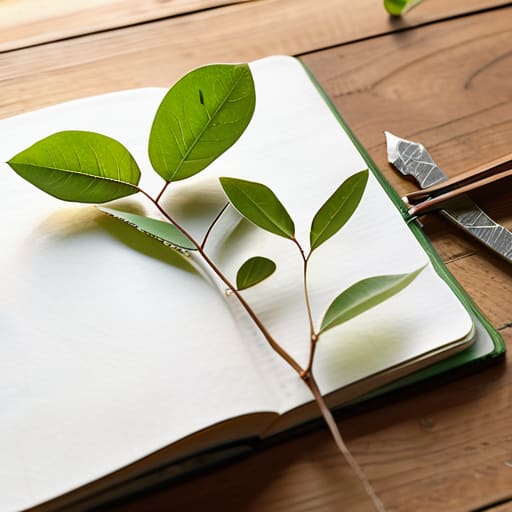
Think of your sketchbook not as a daunting gallery of masterpieces, but as a digital sandbox where you’re free to play without the fear of a “system crash.” Building a sketchbook habit for creative growth is a lot like tending to a small indoor garden; you don’t see the blooms overnight, but with consistent, gentle watering, something vibrant begins to emerge. Each doodle is a tiny seed of an idea, a way to nourish that muscle of curiosity that helps us see the world through a more nuanced lens.
Beyond the visual, there is a profound, quiet magic happening in the brain during these sessions. I like to view sketching as a form of artistic mindfulness technique—a way to ground yourself when the digital noise of life gets too loud. When you focus on the curve of a coffee mug or the way light hits a leaf, you are practicing sketching for cognitive development, essentially rewiring your brain to find patterns and beauty in the mundane. It’s a way to slow down the clock, turning a frantic afternoon into a rhythmic, meditative flow of ink and thought.
The Sketchbook Toolkit: Five Little Ways to Feed Your Creative Spark
- Treat your sketchbook like a messy, beautiful garden rather than a pristine museum gallery. Don’t be afraid to let the lines wander or the ink smudge; just like a wild meadow, the most interesting growth often happens in the unmanicured spaces where you aren’t afraid to make a mistake.
- Think of your daily sketches as a low-stakes conversation between your eyes and your hand. You aren’t trying to write a grand epic novel on page one; you’re just practicing the art of “saying hello” to the shapes and shadows around you, building a rhythmic vocabulary one stroke at a time.
- Steal moments from the mundane, much like how a chef finds magic in a simple pinch of salt. Instead of waiting for a breathtaking sunset, try sketching the way the light hits your morning coffee mug or the tangled geometry of your charging cables—there is a hidden, rhythmic beauty in the everyday if you look closely enough.
- Set a “micro-timer” to bypass that pesky inner critic who wants everything to be a masterpiece. Give yourself just five or ten minutes—think of it as a quick, playful sprint rather than a marathon—to lower the pressure and let your intuition take the lead without the heavy weight of perfectionism holding you back.
- Curate a “sensory kit” that makes the process feel like a ritual rather than a chore. Whether it’s a specific felt-tip pen that glides like silk or a favorite lo-fi playlist that acts as the digital heartbeat for your session, surrounding yourself with tactile joy turns a simple habit into a cherished moment of connection.
Finding Your Rhythm in the Lines
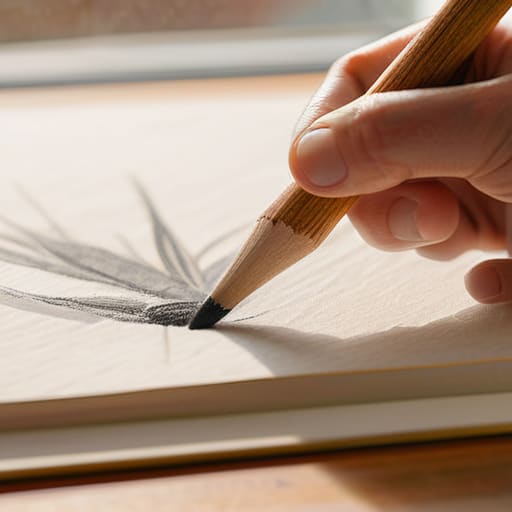
As we’ve wandered through this digital and analog landscape together, it’s become clear that daily sketching isn’t just about mastering a perfect line or a realistic shadow. It’s about the subtle, beautiful way you train your brain to see the world anew. By sharpening your hand-eye coordination and building a dedicated space for creative exploration, you aren’t just practicing a skill; you are cultivating a mindful ritual. Much like how a single line of code can eventually build a breathtaking virtual world, these small, repetitive strokes are the foundational threads that weave together your unique visual language and strengthen your creative intuition.
So, don’t worry if your first few pages look more like a chaotic scribble than a masterpiece—think of it as the messy, beautiful beta testing phase of your artistic soul. Every doodle is a tiny experiment, a way to communicate with the world without saying a single word. Grab a pen, find a quiet corner, and let your hand wander. Whether you’re sketching a coffee mug or a dreamscape, remember that you are authoring your own story, one stroke at a time. I can’t wait to see the incredible tapestries you’ll create!