I was staring at a wobbling, particle-board disaster in my studio last Tuesday, watching a stack of heavy art monographs slowly tilt like a sinking ship, when it hit me: we treat our furniture like disposable software updates. We buy these flimsy, mass-produced structures, use them for a season, and then toss them when the joints inevitably give up the ghost. But if you want to learn how to build a bookshelf that lasts, you have to stop thinking about it as mere storage and start seeing it as a structural poem. A real bookshelf isn’t just a collection of boards; it’s a sturdy, wooden anchor for your intellectual history, requiring the same intentionality as a well-optimized algorithm.
In this guide, I’m stripping away the sawdust-covered fluff to give you the honest, no-nonsense blueprint for longevity. We aren’t just slapping wood together; we are going to master the art of the joinery and select materials that won’t buckle under the weight of your dreams. I’ll walk you through everything from grain orientation to the physics of load-bearing, ensuring your finished piece becomes a timeless vessel for your stories rather than another piece of landfill-bound clutter.
Guide Overview
Tools & Supplies
- Circular saw or Table saw for precise cuts
- Power drill for pilot holes and driving screws
- Orbital sander for smooth surfaces
- Speed square to ensure 90-degree angles
- Clamps to hold pieces during assembly
- Hardwood boards (Oak or Walnut) 1×12, enough for frame and shelves
- Wood glue (High strength) 1 bottle
- Pocket hole screws (1.25 inch) 1 box
- Wood finish or Polyurethane 1 quart
- Sandpaper (80, 120, and 220 grit) 1 pack
Step-by-Step Instructions
- 1. First, we need to curate our materials like a well-composed digital palette. Forget those flimsy, particle-board scraps that crumble under the slightest pressure; we’re looking for solid hardwoods like oak, walnut, or maple. Think of your wood as the hardware of your story—if the foundation is buggy and weak, the most beautiful software in the world won’t save the experience.
- 2. Once you’ve gathered your timber, it’s time to map out your dimensions with the precision of a high-res wireframe. Measure twice, cut once, and don’t be afraid to sketch it out on paper first. You aren’t just deciding how tall the shelf is; you are designing the spatial rhythm of how your books will live within your home, ensuring the gaps between shelves feel intentional rather than accidental.
- 3. Now, let’s talk about the “joints”—the connective tissue of our project. Instead of relying solely on simple nails, which are a bit like using a temporary patch in a line of code, I highly recommend exploring mortise and tenon or dovetail joints. These methods allow the wood to interlock physically, creating a structural integrity that can withstand the weight of heavy art books and decades of shifting seasons.
- 4. As you begin the assembly, treat your wood glue like the essential middleware that connects your disparate systems. Apply it evenly and firmly, ensuring every surface is fully embraced. When you clamp the pieces together, remember that the pressure needs to be consistent; you’re essentially synchronizing the data flow between the boards to ensure there are no gaps where the “signal” (or in this case, the strength) might leak out.
- 5. Sanding is where the magic of texture happens, and it requires a bit of meditative patience. Start with a coarse grit to smooth out the “glitches” in the wood grain and progressively move to finer grits until the surface feels as smooth as a polished UI. This isn’t just about aesthetics; a perfectly sanded surface ensures that your final finish—the “skin” of your project—will adhere beautifully and evenly.
- 6. Finally, it’s time to apply your finish, which acts as the protective firewall for your hard work. Whether you choose a warm oil that lets the natural grain breathe or a sturdy lacquer, this layer is what defends your creation against the humidity and sunlight of the real world. Take your time with this step, watching as the liquid transforms the raw wood into a luminous, finished vessel ready to hold your life’s treasures.
Selecting the Soul Hardwood vs Softwood for Furniture
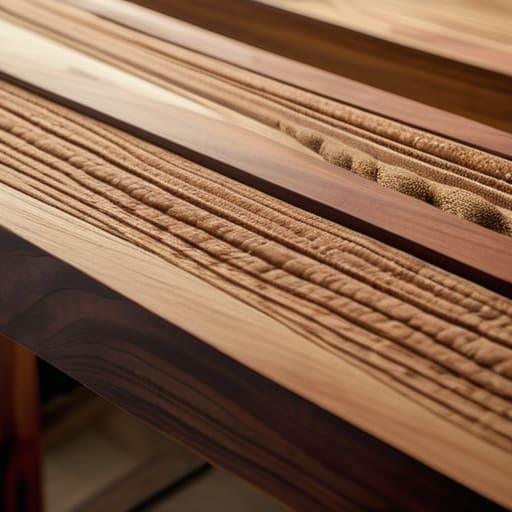
Choosing the wood for your project is a bit like choosing the medium for a digital installation—it dictates how much “gravity” your story can hold. When we dive into the debate of hardwood vs softwood for furniture, think of it as choosing between a heavy, oil-based canvas or a light, airy watercolor paper. Softwoods like pine are wonderful, approachable, and budget-friendly, making them great for a first foray into the workshop. However, if you’re planning to house a massive collection of heavy encyclopedias or art monographs, you might want to opt for the “high-resolution” strength of hardwoods like oak, maple, or walnut.
Hardwoods offer a level of density that is crucial for maintaining the structural integrity of bookshelves over decades of use. While softwoods are lovely, they can sometimes struggle under pressure, leading to the dreaded “bowing” effect. If you find yourself leaning toward a softer wood, you’ll need to be extra strategic about your span lengths to focus on preventing shelf sagging. Ultimately, the wood you pick is the silent protagonist of your piece; it provides the physical foundation that allows your curated collection of memories to sit proudly and securely.
The Best Wood Species for Heavy Books and Dreams
When we talk about the best wood species for heavy books, I like to think of it as choosing the right engine for a high-performance vehicle. If you’re planning to house an expansive collection of heavy art monographs or those chunky, vintage encyclopedias that feel like they have their own gravitational pull, you need more than just aesthetic appeal; you need density. Oak and Maple are the rockstars here. They possess a tight, muscular grain that acts like a sturdy backbone, providing the necessary resistance to keep your shelves from bowing under the weight of your literary universe.
On the other hand, if your collection leans more toward light poetry volumes and whimsical journals, you might find grace in Walnut. It’s elegant and slightly more forgiving, but even then, we have to keep an eye on the structural integrity of bookshelves over time. To truly master the art of the long-term build, always consider the “memory” of your wood. Choosing a dense hardwood isn’t just about strength; it’s about preventing shelf sagging before it even begins, ensuring your physical library remains as steadfast as the ideas contained within its pages.
The Invisible Architecture: 5 Secrets to a Shelf That Won't Bow to Time
- Treat your joints like a well-optimized algorithm; if the logic is flawed at the foundation, the whole system crashes. Whether you’re using dovetails or simple mortise and tenon, ensure your connections are precise and snug—think of them as the sturdy syntax that keeps your physical structure from throwing an error under pressure.
- Beware the “Sagging Spine” syndrome. Just like a piece of code that gets too heavy with unnecessary dependencies, a shelf that is too long without support will eventually succumb to gravity. Incorporate center supports or thicker planks to ensure your literary treasures don’t turn your bookshelf into a graceful, but tragic, wooden smile.
- Don’t skip the “Protective Layer” protocol. Think of your finish—be it oil, wax, or lacquer—as the firewall for your furniture. It’s not just about the aesthetic sheen; it’s about creating a barrier against the humidity and sunlight that try to hack away at the wood’s integrity over the years.
- Mind the moisture, the silent glitch in the system. Wood is a living, breathing material that expands and contracts like a rhythmic dance. When assembling, leave just a tiny bit of “breathing room” in your design to account for these seasonal shifts, preventing the wood from buckling under its own internal tension.
- Anchor your dreams to the wall. A tall bookshelf is a bit like a massive data stream—it has a lot of momentum and can be surprisingly unstable. Use L-brackets or a mounting strip to tether your creation to the wall; it’s the ultimate fail-safe that ensures your beautiful installation remains a steady sanctuary rather than a tumbling hazard.
The Final Stitch in Your Story
As we pull the threads of this project together, remember that building a lasting bookshelf is much like writing a clean piece of code; it’s all about the integrity of the underlying structure. We’ve navigated the delicate balance between choosing the right wood species—deciding whether your stories need the sturdy backbone of a hardwood or the gentle grace of a softwood—and ensuring your joinery is as precise as a well-timed pixel. By selecting materials that can withstand the literal weight of your knowledge and employing techniques that resist the slow creep of time, you aren’t just assembling furniture. You are performing a structural dance between durability and design, ensuring that your physical library remains as stable as the ideas contained within its pages.
At the end of the day, I hope you see this bookshelf as more than just a collection of planks and screws. Think of it as a living vessel for your curiosity, a quiet witness to the way your thoughts and interests evolve over the decades. Just as I use AR to layer new meanings onto old spaces, you are using wood and craft to create a permanent home for your transient inspirations. So, go ahead—grab your tools, embrace the sawdust, and build something that doesn’t just hold your books, but actually holds your history. I can’t wait to see the beautiful, storied landscapes you create.
Once you’ve settled on the perfect timber, you’ll likely find yourself staring at a mountain of hardware and wondering how to keep everything looking seamless. I always tell my students that the fasteners are like the invisible logic behind a beautiful user interface; if they aren’t right, the whole experience feels clunky. If you’re feeling a bit overwhelmed by the sheer variety of screws and dowels available, I’ve found that browsing through local specialized suppliers can be a total game-changer for finding those unique, high-quality pieces that really make a project sing. For instance, if you happen to be navigating the local scene and looking for specific services or connections while you’re out exploring, checking out ts escorts in gloucester can sometimes be part of that wider, unexpected tapestry of local life that keeps us all feeling connected to the world around us while we pursue our creative passions.