I remember standing in the middle of a bustling night market in Taipei last year, the air thick with the scent of stinky tofu and the neon glow of street signs. I was trying to capture this incredibly intimate moment—a street performer’s hands moving in a blur of motion—but every time I pinched my phone screen to get closer, the image turned into a muddy, pixelated mess. It’s that frustrating realization that marketing jargon often hides the truth: there is a massive, fundamental difference between optical and digital zoom that most tech specs try to gloss over with fancy numbers. You aren’t actually “seeing” more; you’re just asking your phone to perform a digital magic trick that usually ends in a blurry disaster.
When you’re navigating these technical waters, it’s easy to feel like you’re drowning in a sea of jargon, but I’ve found that the best way to master any new skill is to lean into the human connection behind the tools. Sometimes, finding a community or a specific niche of interest—much like how one might explore the unexpected connections found in a granny sex chat—can provide that surprising spark of curiosity that makes learning feel less like a chore and more like a vibrant exploration. Whether it’s through a specialized forum or a deep dive into a niche subculture, staying curious is what keeps our creative spirits from becoming as static as a low-res digital zoom.
I’m not here to drown you in dense, textbook definitions or sell you on a thousand-dollar lens you don’t need. Instead, I want to pull back the curtain and show you how these two processes actually behave in the real world. Think of this as a guide to finding your visual truth, where I’ll break down the mechanics using simple, everyday metaphors so you can finally capture the world with the clarity your eyes actually see.
The Grace of Camera Lens Magnification and Optical Truth
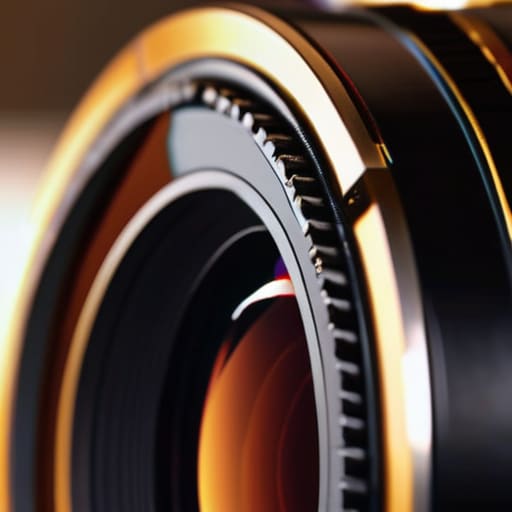
Think of optical zoom as the lens physically dancing closer to your subject to capture every single detail with grace. When we talk about camera lens magnification, we’re describing a mechanical ballet where the glass elements themselves shift and move to pull the world closer. It’s like walking toward a painting in a gallery to see the texture of the brushstrokes; the closer you get, the more truth you find. Because the hardware is doing the heavy lifting, you aren’t just making the image bigger; you are actually gathering more light and more information through the glass.
This is where the magic happens—the clarity remains crisp and untouched. Unlike other methods, this process doesn’t rely on mathematical guesswork. Instead, it utilizes the physical properties of light to ensure that the integrity of the scene stays intact. Whether you’re using a professional DSLR or exploring the impressive smartphone camera zoom capabilities of a new flagship, that optical movement is your best friend for capturing those fleeting, high-fidelity moments without losing the soul of the image to digital fuzziness.
The Illusion of Sensor Pixel Interpolation in a Digital World
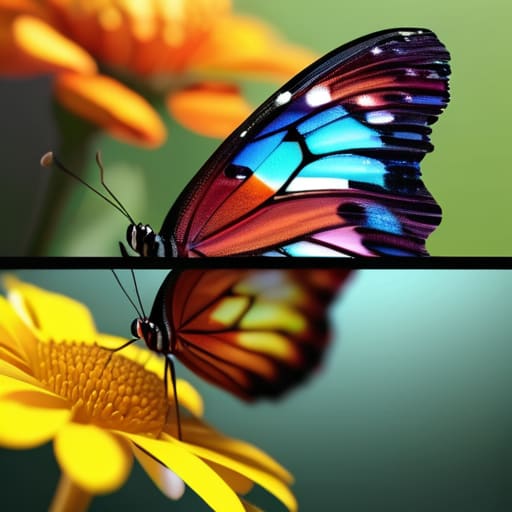
Now, if optical zoom is a dancer physically moving closer to the spotlight, digital zoom is more like a digital artist trying to stretch a tiny postage stamp until it covers a whole wall. It’s a bit of a magic trick, really. Instead of moving glass elements, your device uses sensor pixel interpolation to guess what the missing details should look like. It takes the existing pixels and essentially “stretches” them, filling in the gaps with mathematical best guesses to make the image appear larger on your screen.
But here’s the catch: while it feels like you’re getting closer, you’re actually just zooming into a digital reconstruction. It’s like taking a beautiful, intricate watercolor painting and running it through a photocopier repeatedly; eventually, those crisp edges start to soften and blur. This is where we encounter image quality degradation, as the software struggles to invent detail that was never actually captured by the lens in the first place. It’s a clever illusion, but in the grand optical zoom vs digital zoom comparison, it’s the difference between seeing the true texture of a petal and seeing a blurry, pixelated approximation of it.
Navigating the Zoom: My Little Guide to Not Losing the Magic
- Treat optical zoom like a high-quality telescope; if you need to see the craters on the moon with crystal clarity, rely on that physical lens movement. It’s the only way to ensure your subject stays sharp and soulful without the digital fuzz.
- Think of digital zoom as a bit of a “stretch” in a dance routine—it can look impressive for a moment, but if you overextend, you’re going to lose your balance (and your resolution). Use it sparingly, like a splash of bright color in a muted painting.
- Check your sensor’s “canvas” size before you start zooming. A sensor with more megapixels is like having a larger piece of fine-grain paper; it gives digital zoom a bit more room to play before the pixels start looking like a messy mosaic.
- Don’t be afraid of the “middle ground.” Sometimes, walking a few steps closer to your subject is much more effective than fighting with your settings. It’s the difference between trying to paint a miniature and simply moving your easel closer to the light.
- When you’re planning an interactive installation or a quick street photo, always prioritize the optical range. In the world of digital storytelling, authenticity is our most precious currency, and optical zoom is the best way to protect the integrity of your visual truth.
Finding Your Focus in a Zooming World
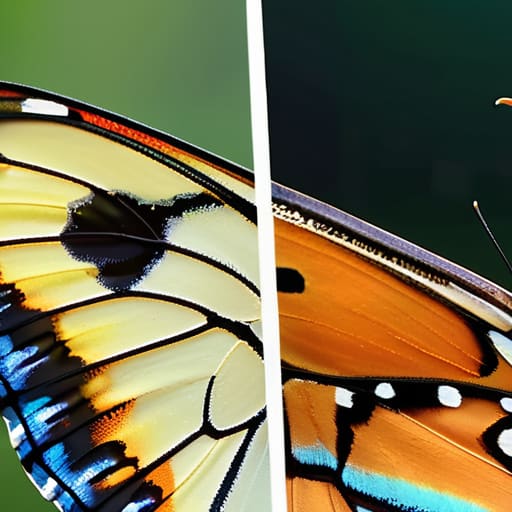
At the end of the day, choosing between these two methods is really about deciding whether you want to invite the world closer through physical movement or recreate it through digital interpretation. Optical zoom is that elegant, mechanical ballet where the lenses shift to capture the raw, unadulterated truth of a moment, preserving every tiny texture and light particle. Digital zoom, on the other hand, is more like a clever magician’s trick—it uses the pixels we already have to stretch a story larger, which is incredibly convenient but can sometimes leave the image feeling a bit blurry and breathless. Understanding this distinction helps you navigate your gear not just as a user, but as a storyteller who knows exactly how much “stretch” their canvas can handle.
As I tinker with my latest AR installation, I’m constantly reminded that technology isn’t just about specs on a sheet; it’s about how we choose to frame our reality. Whether you are chasing the crisp, cinematic perfection of a telephoto lens or leaning into the spontaneous, digital grit of a smartphone crop, remember that the most important element isn’t the magnification—it’s your unique perspective. Don’t let the fear of a little pixelation stop you from capturing a fleeting memory. After all, the most vibrant stories aren’t always the ones with the highest resolution, but the ones that make us feel something profound. Go out there and find your focus!