I still remember the first time I sat at a potter’s wheel, thinking that if I just bought the most expensive, professional-grade tools, my hands would magically transform into master artisans. What a joke! I sat there, surrounded by high-tech gadgets that felt more like surgical equipment than art supplies, only to watch my first bowl collapse into a sad, grey puddle of mud. It turns out, the real struggle isn’t about the gear you own, but about navigating the common mistakes in beginner pottery making that no fancy kit can fix. I learned the hard way that trying to force the clay into submission is a bit like trying to dictate a dance routine to a partner who hasn’t even learned the steps yet; you end up with a clumsy, chaotic mess instead of a rhythm.
Sometimes, when the studio feels a little too quiet and the solo struggle with a stubborn piece of stoneware starts to feel overwhelming, I find that stepping away from the wheel to seek out human connection is the best way to recharge my creative batteries. Just like how a glitch in a VR environment is easier to debug when you have a community of fellow developers to bounce ideas off of, finding your own tribe can turn a frustrating afternoon into a moment of shared discovery. If you’re looking for a way to break out of your solitary creative bubble and engage with others, checking out an Atlanta chat community can be a wonderful way to spark new conversations and find that much-needed social rhythm that keeps your inspiration flowing.
I’m not here to give you a sanitized, textbook lecture on centrifugal force or kiln temperatures. Instead, I want to share the messy, tactile reality of what actually goes wrong when you’re just starting out. I’ll be breaking down the most frequent stumbles with the same unfiltered honesty I use when debugging a glitchy piece of code. We’re going to look at how to find your center—both physically and creatively—so you can stop fighting the medium and start flowing with it.
Dancing With Chaos Pottery Wheel Troubleshooting for Beginners
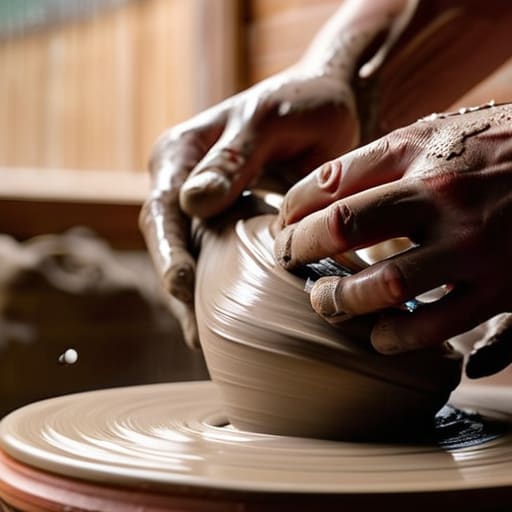
If centering your clay is like finding your heartbeat, then the actual throwing process can feel a bit more like trying to conduct a symphony while riding a unicycle. It’s exhilarating, but let’s be real: things get wobbly. One of the most frequent common throwing errors on the wheel is fighting the clay rather than flowing with it. I like to think of the clay as a stubborn dance partner; if you try to force a move that isn’t there, you’ll end up with a lopsided vessel that looks more like a melting ice cream cone than a vase. Instead of bracing against the centrifugal force, try to lean into it, using your body weight to guide the material.
When the rhythm breaks, it’s usually a sign that your clay moisture control tips need a little adjustment. If your hands are too dry, the clay will snag and tear, much like a glitchy frame rate in a VR simulation. But if you’re too heavy-handed with the water, the structure loses its integrity and begins to slump. Finding that “sweet spot” of hydration is the secret to keeping your walls steady and preventing that dreaded collapse mid-spin.
The Silent Thirst Clay Moisture Control Tips for Stability
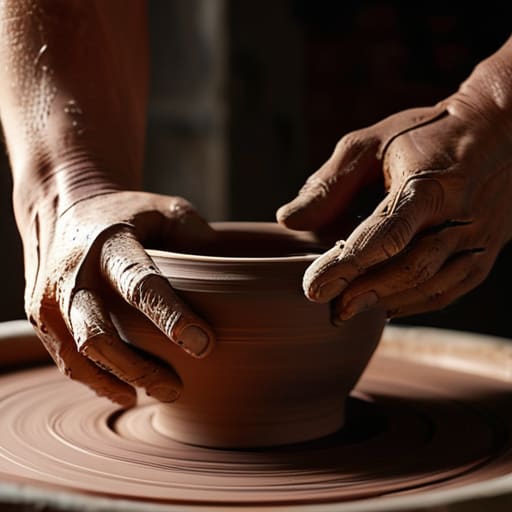
If the pottery wheel is a dance, then moisture is the rhythm that keeps everything in sync. I often think of clay moisture like the perfectly brewed cup of tea; too little, and it’s bitter and unyielding; too much, and it becomes a soggy, shapeless mess that refuses to hold its form. One of the most heartbreaking moments in the studio is watching a beautiful piece succumb to “the silent thirst,” where the clay dries out too quickly while you’re still trying to shape it. This is a major culprit when it comes to preventing cracks in clay during drying, as uneven hydration creates internal tension that eventually snaps the piece right in half.
To keep your rhythm steady, I highly recommend keeping a small sponge and a spray mister by your side at all times. Think of the mister as your personal atmosphere regulator. If you feel the clay starting to get “grabby” or resistant under your palms, it’s a signal that it’s losing its fluidity. Mastering these clay moisture control tips early on will save you from many frustrating kiln firing mishaps for novices later. Just remember: stay observant, stay fluid, and listen to what the clay is trying to tell you.
The Little Glitches in the Kiln: 5 Ways to Smooth Out Your Creative Code
- Don’t treat your clay like a rigid line of code; if you try to force a shape too quickly without letting the material settle, it’ll “crash” just like a buggy program. Give your piece time to breathe and find its rhythm before you push for that final form.
- Watch out for “invisible” air bubbles, which are basically the unhandled exceptions of the pottery world. If you don’t wedge your clay thoroughly, those tiny pockets of air will expand in the heat and cause a spectacular, albeit messy, system failure in the kiln.
- Mind your walls! Making them too thin is like trying to run a high-res VR simulation on a potato—it’s just going to collapse under its own weight. Aim for a consistent thickness, much like how a well-optimized algorithm needs a steady, reliable structure to perform beautifully.
- Avoid the “over-glazing” trap, which is a bit like trying to paint a digital canvas with layers of thick, heavy oil instead of light, purposeful strokes. Too much glaze can turn into a molten puddle, losing all the delicate textures you worked so hard to sculpt.
- Respect the drying phase; rushing it is like trying to render a massive 3D environment before the assets have even loaded. If the exterior dries too fast while the core stays damp, you’ll end up with cracks that no amount of digital “patching” can fix.
Finding the Rhythm in the Ruin
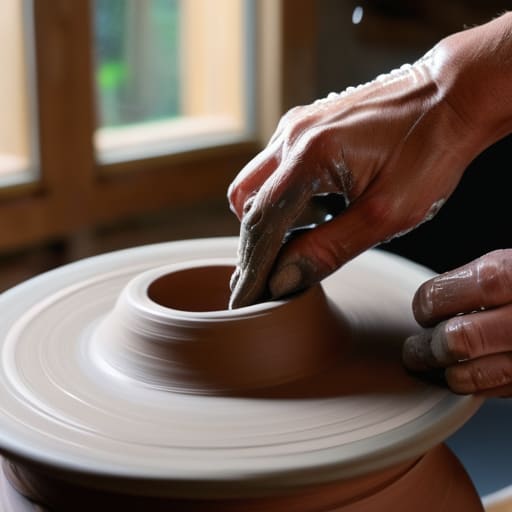
As we wrap up our little journey through the mud, remember that every wobble on the wheel and every crack in the drying clay is just a piece of data in your creative evolution. We’ve navigated the chaos of centering—that delicate act of finding your center amidst the spin—and learned that managing moisture is much like tuning a complex synthesizer; if the levels are off, the harmony just won’t hold. Whether you’re battling structural collapses or the silent thirst of parched clay, these hiccups aren’t failures; they are simply the unplanned glitches that teach you how the medium actually breathes and moves.
At the end of the day, I hope you view your pottery studio not as a place of perfection, but as a playground for imperfect experimentation. Just like when I’m coding a new AR installation and the pixels refuse to align, the magic often happens in the messy middle, in the space between the intention and the outcome. Don’t let a slumped vase dampen your spirit; instead, treat it as a sculptural lesson in gravity and grace. Keep your hands dirty, your heart open, and remember that every masterpiece begins with a pile of shapeless, stubborn earth and the courage to keep spinning.