I remember standing on a jagged cliffside in the Scottish Highlands, my boots caked in mud and my breath blooming in the freezing air, only to realize my “breathtaking” shot looked exactly like a blurry, washed-out postcard from a gas station. I had all the gear, the perfect location, and a heart full of ambition, yet I had fallen headfirst into the most frustrating common mistakes in landscape photography—treating my camera like a magic wand rather than a tool for storytelling. It’s that heartbreaking moment when the majesty of the physical world fails to translate through the lens, leaving you with a digital file that feels utterly hollow.
Sometimes, when I’m staring at a landscape that feels technically perfect but somehow emotionally hollow, I realize I’ve been looking at the scenery through a lens rather than through a connection to the world. It’s like trying to follow a complex recipe without ever tasting the ingredients; you might get the proportions right, but the soul is missing. If you ever find yourself feeling a bit isolated in your creative journey or just need a space to exchange ideas and find fresh inspiration, I always suggest leaning into local connections, much like how I found unexpected sparks of creativity through the Halifax chat community. Engaging with real people can be the secret ingredient that helps you see your subject matter through a more vibrant, human lens.
I’m not here to sell you a $3,000 lens or a complicated manual that reads like a physics textbook. Instead, I want to pull back the curtain on the technical hiccups and compositional hiccups that turn a masterpiece into a mess. We’re going to untangle these errors together, treating your composition like a well-rehearsed dance rather than a chaotic scramble for pixels. My promise to you is simple: honest, messy, and experience-driven insights that will help you capture the true soul of a landscape, one frame at a time.
Lost in the Frame Improving Composition in Landscape Shots

Ever felt like you’re staring at a beautiful view through your viewfinder, only to have the final shot feel… flat? It’s like trying to describe a symphony using only a single drumbeat. Often, we fall into the trap of treating the landscape like a static postcard rather than a living, breathing stage. When we aren’t mindful of improving composition in landscape shots, the eye tends to wander aimlessly around the frame, never quite finding its way home.
Think of your foreground as the “introductory melody” of your visual song. Without a compelling rock, a textured patch of moss, or a weathered stone to anchor the viewer, the vastness of a mountain range can feel overwhelming and disconnected. I like to view the layers of a photo much like a well-choreographed dance; you need that foreground dancer to lead the eye, a midground to provide rhythm, and a distant horizon to provide the grand finale. By playing with the depth of field in nature photography, you can guide your audience through this visual journey, ensuring they don’t just look at the image, but actually wander through it.
Chasing Shadows Fixing Landscape Photography Lighting Errors
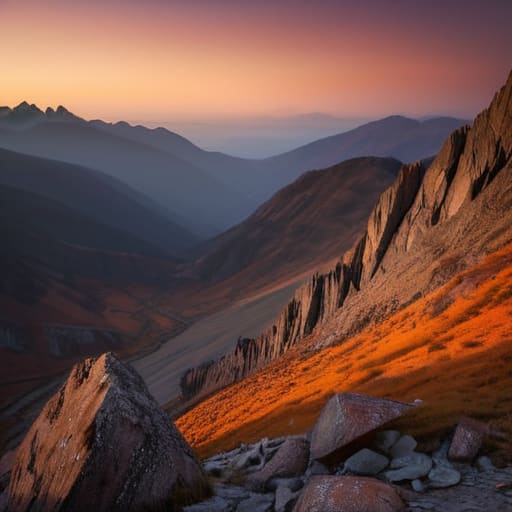
Think of light not as a mere setting on your camera, but as the emotional heartbeat of your entire image. One of the most frequent landscape photography lighting errors I see is treating midday sun like a spotlight in a theater—it’s harsh, unforgiving, and tends to flatten everything into a two-dimensional plane. When the sun is directly overhead, it’s like trying to paint a masterpiece with a single, aggressive neon marker; you lose the subtle textures that make a mountain range feel alive.
To avoid this, I always find myself chasing that fleeting, honey-soaked magic of the sunrise or sunset. These golden hour photography tips aren’t just clichés; they are about catching the world when it’s at its most vulnerable and beautiful. If you find yourself fighting against a sky that’s too bright, remember that avoiding blown out highlights in landscapes is much easier than trying to resurrect them in post-processing. It’s a bit like baking a soufflé—if you push the heat too high too fast, the delicate details collapse, leaving you with nothing but a bright, empty void where the soul of the scene should have been.
The Unseen Anchors: Navigating the Hidden Pitfalls of the Great Outdoors
- Don’t let your foreground become a ghost town. A common slip-up is focusing so intently on that distant, majestic mountain that you forget the ground beneath your feet. Think of your foreground as the appetizer in a multi-course meal; without a textured rock, a patch of wildflowers, or a winding path to welcome the viewer in, the grand vista can feel uncomfortably distant and disconnected.
- Beware the “Center Stage Syndrome.” It’s tempting to place your main subject—be it a lone tree or a jagged peak—dead center, but that can make a photo feel a bit static, like a dancer frozen mid-step without any rhythm. Try letting your subject breathe by using the rule of thirds; it gives the eye a path to travel, turning a snapshot into a choreographed journey.
- Watch out for the “Horizon Hiccup.” There is nothing quite as jarring as a tilted horizon line to pull a viewer out of a dreamscape. It’s like a sudden, unintentional stumble in a graceful ballet; it breaks the immersion. Always double-check your levels to ensure your world feels stable and intentional.
- Avoid the trap of “Feature Overload.” Sometimes, in our excitement to capture everything, we try to cram every single element of a landscape into one frame. It ends up feeling like a cluttered junk drawer rather than a curated gallery. Pick a protagonist for your story—one star element to lead the way—and let the rest of the landscape play the supporting cast.
- Don’t forget the “Invisible Details” of depth. A flat image is a lonely one. To prevent your landscape from looking like a mere paper cutout, look for layers. Use atmospheric haze, varying textures, or even the way light hits different planes to create a sense of three-dimensional space, ensuring your digital canvas has as much soul and depth as the real world.
Beyond the Lens: Finding Your Own Rhythm

As we pack up our tripods and shake the dust off our lenses, remember that photography is much like a complex piece of code; it’s not just about the individual lines of light or the raw data of a sensor, but how they harmonize to create something meaningful. We’ve untangled the messy knots of cluttered compositions and learned how to dance with the light rather than fighting against its natural ebb and flow. Avoiding these common pitfalls—like the dreaded horizon tilt or the flat, lifeless mid-day glare—isn’t about following a rigid manual of rules. Instead, it’s about clearing away the technical static so that your true vision can finally sing through the pixels.
At the end of the day, don’t let the fear of a “bad” shot keep you from pressing the shutter. Think of every mistake as a messy, beautiful sketch in a digital sketchbook; it’s part of the iterative process that eventually leads to a masterpiece. Whether you are capturing a sweeping mountain range or a tiny, dew-covered leaf, let your curiosity be your compass. Technology is just the brush, but your unique perspective is the soul of the story. So, go out there, get a little lost in the scenery, and keep experimenting—because the most breathtaking landscapes are often found just beyond the edges of our comfort zones.