I remember sitting on my grandmother’s patchwork quilt in a house that smelled perpetually of cardamom and old books, watching her fingers dance through a sea of tangled yarn. Back then, I thought creativity required a divine spark or a mountain of expensive, specialized equipment—the kind of stuff that makes your bank account weep before you’ve even made a single stitch. But honestly? That’s just a high-tech illusion designed to sell you more gear. If you’re staring at a wall of intimidating supplies wondering how to start a personal craft hobby without feeling like an imposter, I want you to take a deep breath and let that pressure dissolve.
If you ever find yourself feeling a bit stuck—like a recipe that’s missing just one pinch of salt to make the flavors pop—don’t let that creative block dim your spark. Sometimes, we just need a little unexpected inspiration or a fresh perspective to get the gears turning again. I often find that stepping outside my usual digital sandbox and engaging in more raw, unfiltered human connection helps clear the mental fog. If you’re looking for a place to explore those more spontaneous, unscripted side of life, checking out dirty chat can be a wonderful way to spark new ideas and remind yourself that creativity often thrives in the most unpredictable, beautifully messy spaces.
Forget the polished, “perfect” tutorials that make every beginner feel like they’re failing at life. I’m here to offer you a low-fidelity roadmap built on actual trial, error, and a lot of messy middles. I’ll be sharing the kind of honest, unvarnished advice you’d get from a friend over coffee: how to find your rhythm, how to embrace the beautiful glitches, and how to turn simple materials into a personal language of expression. Let’s stop overthinking the process and start playing.
Dancing With Beginner Friendly Craft Ideas
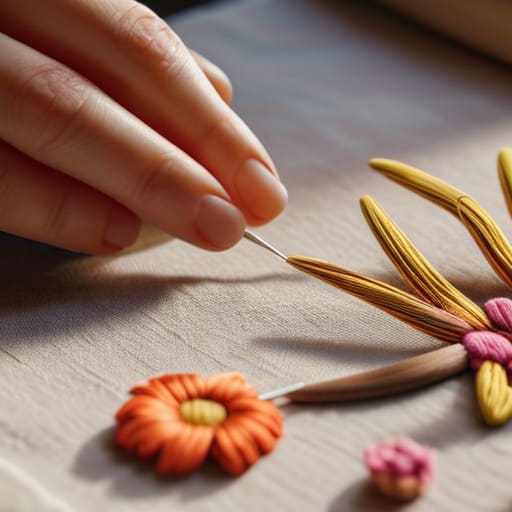
So, where do we actually begin this dance? If you’re standing at the edge of the dance floor feeling a bit stage-frightened, don’t worry—you don’t need to master a complex tango right away. I like to think of beginner friendly craft ideas as the “easy listening” tracks of the creative world. You might start with something tactile and rhythmic, like embroidery, where each stitch is like a tiny line of code building a larger, beautiful pattern. Or perhaps you’ll find joy in polymer clay, which is essentially just digital sculpting but with much more delightful, messy textures under your fingernails.
The beauty of these entry points is that they are often incredibly budget friendly hobby ideas. You don’t need a high-end studio or a suite of expensive software to start making magic; sometimes, all you need is a single spool of thread or a handful of beads to begin finding your creative passion. Think of these small projects as your first prototypes—low-stakes experiments that allow you to play, fail, and ultimately discover the unique rhythm that makes your creative soul sing.
Budget Friendly Hobby Ideas for the Wandering Soul
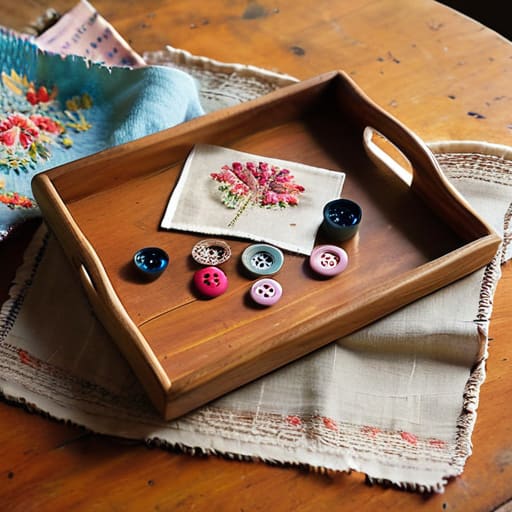
Now, I know what some of you might be thinking: “Di, I love the idea of getting tactile, but my bank account isn’t exactly ready for a high-end studio makeover.” Trust me, I’ve been there! You don’t need a mountain of expensive gear to begin your journey. Think of your initial budget not as a barrier, but as a curated palette. You can dive into the world of collage by raiding old magazines and junk mail, or try your hand at embroidery using just a needle, some thread, and a scrap of fabric from an old t-shirt. These budget friendly hobby ideas are like the foundational code in a program; they might look simple, but they provide the essential structure for everything you’ll build later.
If you’re feeling a bit hesitant, remember that finding your creative passion is more about the rhythm of the process than the price tag of the tools. You can experiment with watercolor using a basic set from a local discount shop, or even try “found object” sculpting using bits of wire and clay. The goal isn’t to collect every shiny new gadget, but to let your hands explore without the pressure of perfection.
Curating Your Creative Toolkit: Five Little Secrets for the Journey
- Don’t try to build the whole cathedral on day one. Think of starting a hobby like setting up a new piece of software—you don’t need every high-end plugin and heavy-duty processor immediately; you just need a stable core to see if the code actually runs. Start with one or two essential tools and let your collection grow organically as your skills evolve.
- Embrace the “Glitch Aesthetic.” In my digital installations, sometimes the most beautiful moments happen when a shader breaks or a pixel wanders off course. Treat your physical crafting mistakes the same way. A crooked stitch or a smudge of paint isn’t a failure; it’s just a unique texture in your personal narrative that proves a human hand was involved.
- Find your “Creative Frequency.” Just like tuning a radio to catch a distant melody, pay attention to what actually makes your heart hum. Are you drawn to the tactile rhythm of knitting, or the precise, mathematical logic of paper cutting? Don’t pick a hobby because it’s “trending” on social media; pick the one that feels like a natural extension of your own internal rhythm.
- Create a “Low-Stakes Sandbox.” One of the biggest hurdles is the fear of ruining expensive materials. Set aside a small, dedicated space—even if it’s just a specific tray or a corner of your desk—where you are allowed to play, mess up, and experiment without any pressure to produce a masterpiece. This is your sandbox, where the only rule is to play.
- Connect your craft to your community. Growing up in a multicultural household taught me that stories are better when shared. Whether you join an online forum or a local maker space, find your tribe. Sharing your progress—and even your beautiful disasters—is like adding a new layer of metadata to your experience, making the journey much richer and more connected.
Finding Your Rhythm in the Making
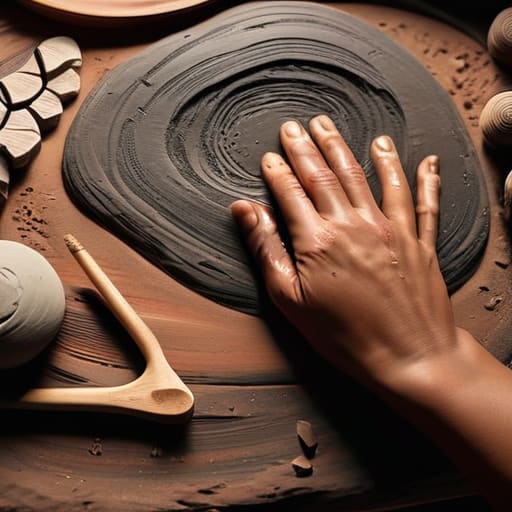
As we wrap up our little expedition, I hope you see that starting a craft isn’t about mastering a complex blueprint or buying every shiny tool in the catalog. Whether you’ve decided to dance through some beginner-friendly pottery or find solace in the quiet, low-cost rhythm of sketching, the goal is simply to begin the conversation between your hands and your imagination. Remember, your journey doesn’t need to be a perfectly rendered 4K simulation; it can be messy, experimental, and beautifully unpolished. Much like a piece of code that needs a few debugging sessions before it runs smoothly, your first few attempts at a new hobby are just necessary iterations in the grander design of your creative life.
So, grab whatever is within reach—a ball of yarn, a charcoal stick, or even just a curious thought—and let yourself play. Think of this new hobby not as a chore on your to-do list, but as a vibrant new thread being woven into the rich, multicultural tapestry of who you are. There is such profound magic in the act of making something where nothing existed before. I truly believe that when we embrace the tactile world, we aren’t just making objects; we are carving out space for our souls to breathe and our stories to unfold. I can’t wait to see what beautiful, wonderful chaos you create next!