Did you know about 70% of beginner artists feel stuck? They pay too much attention to less important parts of art. Instead, they should focus on basic skills. Focusing on foundations can unleash your creative side. I learned that using simple methods improved my drawings significantly. It also made me more confident. Knowing the basics helped me get better at art and tell stories better.
In my art journey, I found out how important some techniques are. For example, the Rule of Thirds helps make art look balanced by dividing it into equal parts. Practicing on purpose, not just for fun, made me a better artist. I practiced every day and tried new things to beat creative blocks. My progress felt rewarding. This article talks about five techniques that will make your art better and boost your creativity.
Key Takeaways
- Focusing on foundational skills is essential for artistic growth.
- The Rule of Thirds can enhance composition in creative art.
- Deliberate practice leads to better skill development compared to random efforts.
- Daily drawing practice is crucial for improving drawing skills.
- Engaging with different drawing exercises can overcome creative blocks.
- Studying other artists sharpens your artistic eye and insight.
- Keeping a sketchbook helps document progress and ideas.
Enhancing Your Drawing Skills with Effective Techniques
Growing as an artist means constantly improving your drawing skills. Using the right techniques can really boost your abilities. Knowing how light or dark a color is forms the base of making lifelike images. Artists can dive into various strategies to get better at using tonal differences. This, in turn, makes their art more detailed.
Understanding the Importance of Value in Art
Value plays a crucial role in making art seem deep. I’ve seen my art improve when I got better at using lights and darks. Practicing with value strips shows how different tones work together. By doing this, my art has gained more life. It now shows a clearer play of light and shadow.
Exploring Basic Shading Techniques
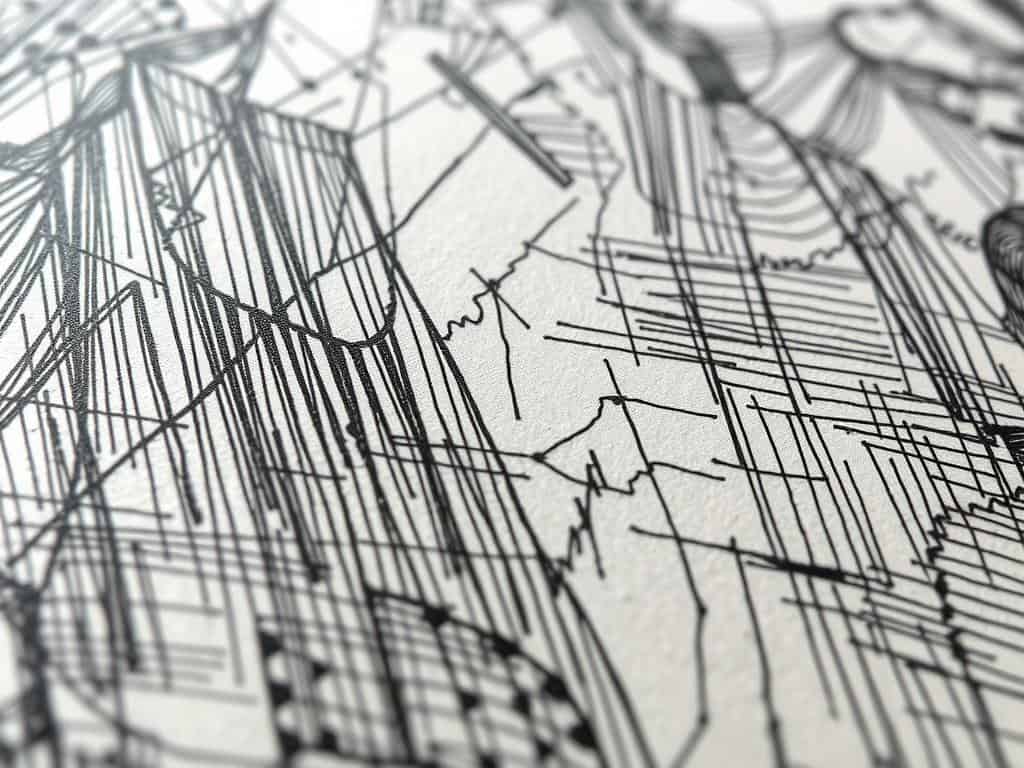
I’ve found shading techniques like hatching and crosshatching really helpful for my drawings. Hatching uses parallel lines to add texture and shade. Changing the gap between lines changes the tone, making areas look darker or lighter. Crosshatching brings in lines from different angles. This adds depth and texture, making the form and volume in drawings pop.
Finding Your Preferred Medium
Choosing the right art supplies can change your art path. Finding what you like to work with, like graphite or oil paints, helps find your artistic style. Trying out various materials is better than sticking to beginner kits. It’s a way to make your art truly yours. The perfect tools let me share my visions more clearly, making creating art much more fulfilling.
Illustration Techniques for Creative Art and Visual Storytelling
In the world of visual arts, certain techniques truly make illustrations stand out. They deepen the art and make stories come alive visually. We’ll talk about the importance of hatching and crosshatching. Also, we’ll see how artwork’s layout triggers emotions.
Using Hatching and Crosshatching for Depth
Hatching lets me add texture and depth to my art. I use lines at different angles and levels of tightness. They show light, shadow, and form. With crosshatching, where lines cross, I can add even more detail. Playing with these methods, I notice changes in how people see my work. It becomes more lively and interesting.
Creating Emotional Impact Through Composition
How I arrange things in my art affects how people feel. I guide the viewer’s eye and spark specific emotions. Using negative and positive space and the rule of thirds, I strengthen my story’s impact. Where I place objects isn’t just about looking nice. It’s key for sharing deeper feelings and messages through my art.
Mastering the Art of Visual Storytelling
Becoming a great visual storyteller is about more than just telling a story. It’s about blending many art skills effectively. My goal is to make art that draws people in and touches them. Mixing value, shading, and layout, my art expresses feelings and tells complex tales without words. This way, every part of my art helps the viewer feel closer and understand more deeply.
Conclusion
I’m on a journey to improve my art with various illustration techniques. It’s filled with dedication and a love for learning. As I dive into different drawing skills, I find how they boost creativity.
Understanding artwork values and exploring shading methods have been key. Each technique is a tool and a step towards expressing myself more deeply.
Adding visual storytelling brings another layer of complexity. It connects me with viewers by turning simple art into powerful messages. Illustration has the power to speak without words, creating meaningful connections.
This journey is not just about getting better at drawing. It’s about seeing the big picture of creation. By using these techniques, I grow as an artist and stay open to new ideas.
My art is always evolving. I’m excited about the possibilities ahead and can’t wait to see where they lead, one brushstroke at a time.
