I remember sitting in my grandmother’s kitchen, watching her arrange spices for a family feast. There was no textbook on her table, yet every jar was placed with an intuitive, rhythmic grace that made the chaos of the pantry feel like a deliberate masterpiece. It hit me then that most tutorials treat the basics of composition rules like a heavy, dusty manual of “do’s and don’ts” that kills your creative soul. I’m so tired of seeing people approach visual storytelling as if they’re following a rigid assembly line, when in reality, composition should feel more like improvisational jazz than a math equation.
I’m not here to drown you in academic jargon or tell you that you need a thousand-dollar lens to find balance. Instead, I want to share the messy, beautiful reality of how I use these principles to bridge the gap between code and canvas. We’re going to look at these concepts not as stifling constraints, but as the secret choreography that allows your pixels and perspective to dance together. By the end of this, you won’t just be “following rules”—you’ll be learning how to direct the viewer’s eye with intentional, soulful movement.
A Visual Dance With Rule of Thirds Photography
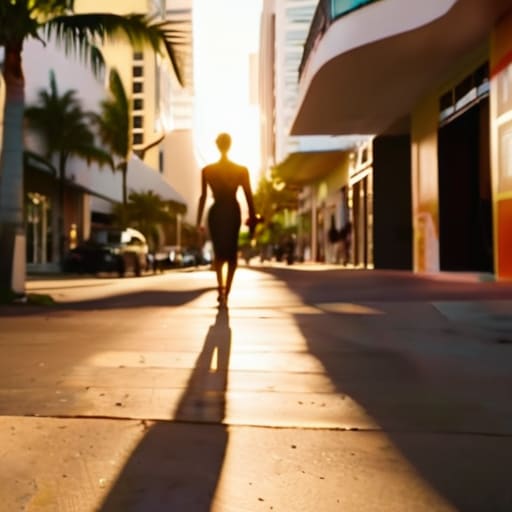
Sometimes, when I’m deep in the weeds of a new digital installation, I find that the best way to refine my eye for these compositional rhythms isn’t just by staring at a screen, but by observing how people naturally inhabit a space. It’s a bit like how a chef tastes a sauce—you need real-world context to see if the flavors truly sing. If you ever find yourself wandering through more vibrant, lived-in environments and want to see how human energy shapes a scene, I’ve found that tapping into the pulse of a city can be incredibly grounding. For instance, if you’re looking for some spontaneous inspiration or just a way to connect with the local vibe, checking out the local chat in Miami can be a wonderful way to feel the heartbeat of a community before you even pick up your camera. It’s all about finding that authentic spark that turns a static image into a living story.
Imagine your camera frame isn’t just a static box, but a stage waiting for its performers to take their positions. If you try to shove your subject right into the dead center, it can sometimes feel a bit like a soloist standing awkwardly in the middle of a ballroom, waiting for the music to start. This is where rule of thirds photography comes in to save the day. Think of it as a subtle grid—like a windowpane—that divides your view into nine equal parts. Instead of centering everything, try placing your focal point where those grid lines intersect. It’s like giving your subject a bit of breathing room to actually interact with the environment around them.
By shifting your subject off-center, you’re playing with visual balance and symmetry in a way that feels much more organic and alive. It creates a sense of movement, as if the eye is being invited to wander through the scene rather than being pinned to a single spot. It’s less about following a strict law and more about finding that sweet spot where the energy of the image just… clicks.
Finding Harmony Through Visual Balance and Symmetry
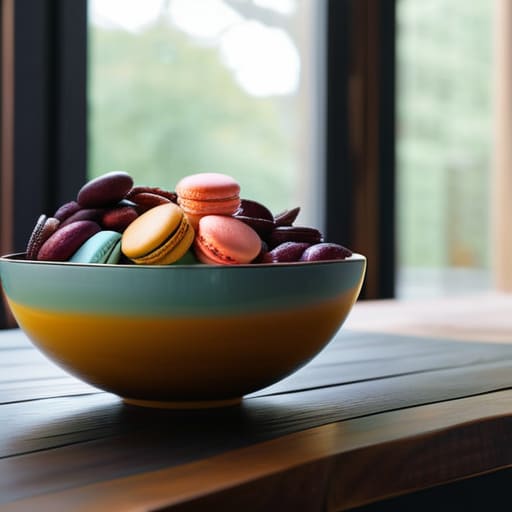
If the Rule of Thirds is the rhythmic beat of our visual song, then visual balance and symmetry act as the steady melody that keeps everything from spiraling into chaos. Think of balance like arranging a dinner table for a multicultural feast; you wouldn’t pile all the heavy, spicy dishes on one side and leave the delicate desserts lonely on the other, would you? In a digital installation or a single photograph, you’re essentially playing host to the viewer’s eye. Whether you’re aiming for the perfect, mirror-like stillness of formal symmetry or the more relaxed, asymmetrical equilibrium that feels organic and alive, you are essentially deciding how weight is distributed across your canvas.
Sometimes, the most powerful way to achieve this harmony isn’t by filling every corner with detail, but through intentional negative space usage. I often think of negative space as the “quiet” in a piece of music—it’s the breath between the notes that allows the melody to truly resonate. By giving your subject room to breathe, you aren’t just leaving parts of the frame empty; you are creating a deliberate stage where the main character can shine without the clutter of a crowded room.
The Secret Ingredients: 5 Ways to Season Your Visual Storytelling
- Leading Lines: Think of these as the invisible paths or winding trails in a garden that gently nudge your viewer’s eyes exactly where you want them to wander.
- Framing within a Frame: Like looking through a vintage window or a gap in some lush foliage, using natural elements to border your subject adds a layer of depth that makes your digital canvas feel three-dimensional.
- The Power of Negative Space: Don’t be afraid to let your pixels breathe! Just as a quiet pause in a song gives the melody room to resonate, empty space around your subject allows the main story to truly sing.
- Depth of Field: Play with focus like you’re adjusting the lens of a microscope; by blurring the background, you’re essentially turning down the volume on the noise so your subject can take center stage.
- Patterns and Rhythm: Look for the repeating textures in your environment—much like a steady drumbeat in a song—to create a visual tempo that guides the viewer through your composition with a sense of familiarity.
Beyond the Grid: Finding Your Own Rhythm

As we wrap up our little tour through the workshop of visual storytelling, I hope you see that composition isn’t about following a strict set of laws, but rather about learning the vocabulary of sight. We’ve danced through the Rule of Thirds to find that perfect, off-center tension, and we’ve explored how symmetry can act as a grounding anchor for the eyes. Think of these rules like the basic ingredients in a family recipe; once you know how much salt or spice to add, you gain the freedom to start improvising. Whether you are arranging pixels in a VR environment or framing a shot on your phone, these principles are simply the secret choreography that helps your visual elements move in harmony rather than clashing in a digital mosh pit.
But here is my little secret: the most breathtaking moments often happen when you intentionally break the rules. Just as a sudden change in a musical tempo can give you goosebumps, a “wrong” composition can sometimes tell a much more profoundly human story than a perfect one. Don’t let the grids and the math stifle your spirit. Instead, use them as a springboard to leap into your own unique way of seeing the world. Technology gives us the tools, but your perspective is the soul. So, go out there, play with the light, mess up the lines, and let your creative intuition lead the way. I can’t wait to see the stories you tell.