In recent times, big names like Canon and Nikon have started moving away from DSLR cameras. This marks a big change in photography. Nikon has stopped making some popular DSLRs like the D3500 and D5600. Canon called the 1D X Mark III its last top DSLR. Now, mirrorless cameras are getting all the attention. So, which camera type fits your photography needs best?
This guide will cover the basics of mirrorless and DSLR cameras to help you understand them better. Whether you’re just starting in photography or looking to upgrade, knowing the pros and cons of each is important. We’ll compare these cameras to help you choose the right one for your art.
Key Takeaways
- Canon and Nikon are reducing their DSLR offerings, steering focus towards mirrorless technology.
- Mirrorless cameras typically offer faster frame rates and autofocus speeds.
- Battery life varies widely between mirrorless models, with some lasting significantly longer than DSLRs.
- Electronic viewfinders in mirrorless cameras provide advanced features not available in DSLR optical viewfinders.
- The evolution of lens options is rapidly expanding for both camera systems, yet DSLRs still maintain a broader selection.
Understanding the Basics of DSLR and Mirrorless Cameras
The photography world has two popular camera types: DSLR and mirrorless. Each type is special and suits different photographers. Their unique features make them stand out based on what you need.
What is a DSLR Camera?
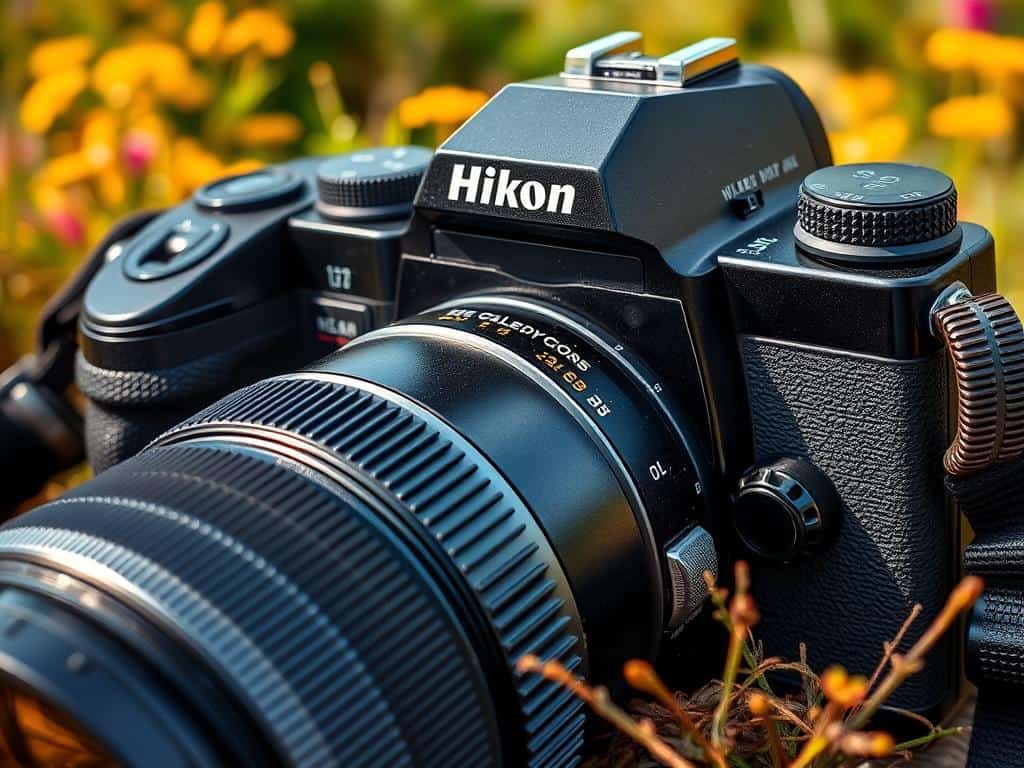
A DSLR camera has a mirror to send light to a viewfinder. This lets you see what you’re shooting in real time. They are famous for long battery life. They also work with many lenses, great for versatile photography.
What is a Mirrorless Camera?
Mirrorless cameras are known for their compact size and new tech. They don’t have the mirror that DSLRs use, making them lighter. They excel in autofocus, often better than DSLRs. Their advanced autofocus is a big plus in many settings.
Similarities Between DSLR and Mirrorless Cameras
DSLR and mirrorless cameras both promise excellent photos because of their sensors. They also handle high-quality video well. Mirrorless ones are often better at 4K videos. Both kinds let photographers create without limits, each finding its own fans.
Pros and Cons of DSLRs
DSLRS offer several benefits that photographers love. These cameras have been key in photography for years. They come with features that many find useful.
Advantages of DSLR Cameras
DSLRs shine with their long battery life. This means I can take more photos before needing to recharge. They’re also built tough, making them great for outdoor use. Plus, their optical viewfinder lets you see clearly, even in bright light.
The variety of lenses for DSLRs is impressive. There’s a lens for nearly every photo style I want to try. Entry-level DSLRs are also more budget-friendly. This makes them perfect for beginners.
Disadvantages of DSLR Cameras
However, DSLRs do have downsides. They’re bigger and heavier than mirrorless cameras. This can make them hard to carry around all day. Also, their design can cause camera shake during long shots. As a result, many are moving to mirrorless models.
Mirrorless cameras are becoming more popular. But, you can often find good deals on used DSLRs. Even with tough competition, DSLRs still offer high-quality photos. It’s important to think about these pros and cons before buying.
Pros and Cons of Mirrorless Cameras
I often talk about the benefits of mirrorless cameras in photography circles. These cameras come with advantages that make photography more enjoyable. But, they’re not perfect and have some mirrorless pros and cons to think about before switching.
Advantages of Mirrorless Cameras
Mirrorless cameras are known for being small and light. This makes them great for photographers who travel a lot. Without a mirror mechanism, they offer faster autofocus. They also have cool features like quick shot bursts and 4K video.
The electronic viewfinder is another big plus. It lets me see my shot in real time, which helps with precision. Mirrorless cameras often have image stabilization too. This improves photos in tough shooting conditions. More and more, companies are focusing on making mirrorless cameras, promising more lenses and accessories soon.
Disadvantages of Mirrorless Cameras
However, mirrorless cameras have some downsides, like their short battery life. Using the electronic viewfinder and autofocus can quickly use up the battery. So, I need to carry extra batteries for longer shoots. Also, they might not last as long as DSLRs because parts can wear out faster.
They’re also not as tough as DSLRs in some cases. While they’re great for things like 4K videos, they might lack in lens variety and affordability compared to DSLRs. Knowing these mirrorless pros and cons helps make a better decision for my photography needs.
Conclusion
In my search for the perfect camera, I’ve learned it all comes down to what I need and like. Experts think DSLRs might become popular again soon. Yet, mirrorless cameras are great too. They have awesome features like being light, stabilizing images inside, and recording better videos.
But, DSLRs are reliable and tough, with long-lasting batteries and many lenses to choose from. When choosing a camera, I think about what matters to me. Do I want something light, or do I need something solid with a clear viewfinder? This guide helps show the best camera fits how I want to take photos.
Choosing between mirrorless and DSLR, I focus on growing my skills and showing my creativity. Buying a camera is about more than specs. It’s about connecting with photography on a deep level. The best camera makes me passionate and creative in my photography.
