I still remember the day I decided to turn my home office into a recording studio – the excitement was palpable, but so was the frustration when I realized how much echo and outside noise were ruining my recordings. That’s when I discovered the importance of Soundproofing improvement. It’s not just about slapping some foam panels on the wall; it’s about creating a space where your audio quality shines. I learned that the hard way, and now I’m on a mission to share my knowledge with you, so you can avoid the pitfalls I faced.
In this article, I’ll cut through the hype and give you practical advice on how to achieve real Soundproofing improvement. You won’t find any generic tips or overly complicated solutions here. Instead, I’ll walk you through the simple, yet effective steps I took to transform my own space into a sonic sanctuary. From identifying the sources of noise to selecting the right materials for soundproofing, I’ll share my personal experience and the lessons I learned along the way. By the end of this guide, you’ll be equipped with the knowledge to make your own Soundproofing improvement and start recording like a pro.
Table of Contents
Guide Overview: What You'll Need
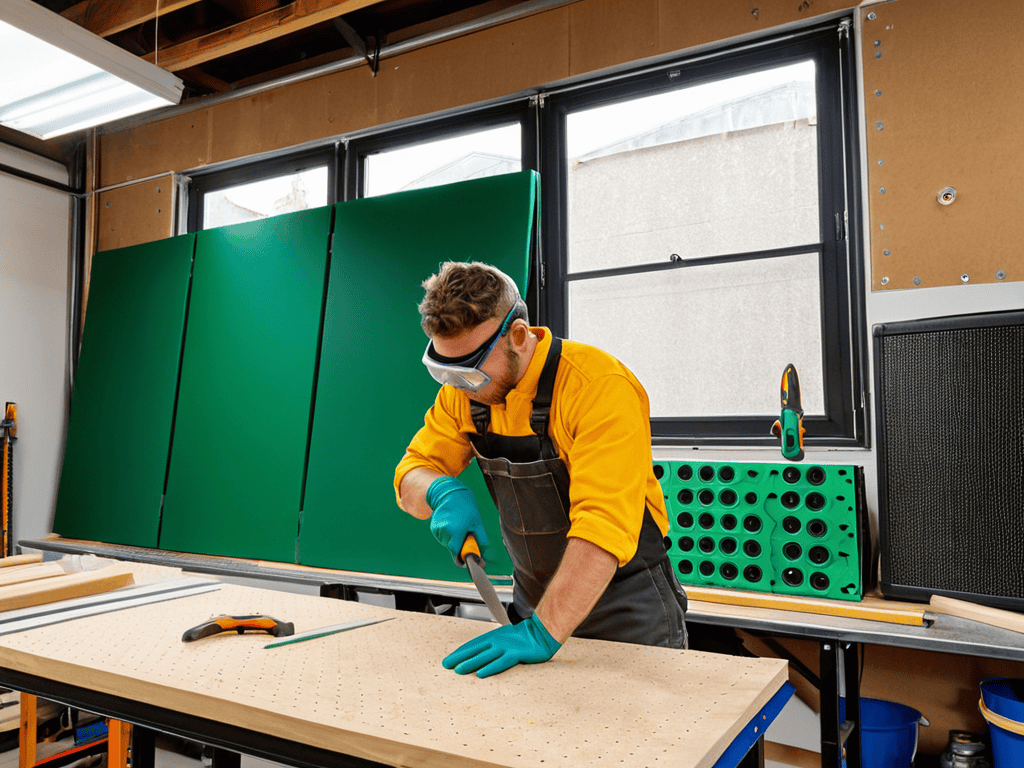
Total Time: 4 hours 30 minutes
Estimated Cost: $100 – $300
Difficulty Level: Intermediate
Tools Required
- Drill (with screwdriver and drill bits)
- Utility Knife (with extra blades)
- Stud Finder
- Measuring Tape
- Level
- Pencil and Marker
Supplies & Materials
- Mass Loaded Vinyl (for effective sound blocking)
- Acoustic Caulk (for sealing gaps)
- 2-in x 6-in lumber (for framing)
- Resilient Channels (for decoupling drywall)
- Acoustic Insulation (for filling cavities)
- Green Glue (for damping vibrations)
Step-by-Step Instructions
- 1. First, let’s start with the basics – assessing your space. Take a walk around the room you want to soundproof and listen for any areas where sound is leaking in or out. Check for gaps under doors, windows, and any other openings. This will give you a clear idea of where to focus your soundproofing efforts.
- 2. Next, it’s time to seal the gaps. Use acoustic sealant or caulk to fill in any cracks or crevices you found during your assessment. Make sure to fill gaps around doors and windows, as well as any holes for electrical outlets or switches. This will help prevent sound from escaping or entering the room.
- 3. Now, let’s talk about door sweeps. If you have a gap under your door, it’s letting sound in and out. You can buy a door sweep or make your own using a piece of wood or metal. Attach it to the bottom of the door to create a tight seal when the door is closed. This is a simple but effective way to reduce sound leakage.
- 4. Moving on to windows, window inserts can be a great solution. These are clear panels that fit into your window frame to reduce sound transmission. You can buy pre-made inserts or make your own using acrylic or glass. This is a more involved project, but it can make a big difference in reducing outside noise.
- 5. Another key area to focus on is wall insulation. If your walls are thin or have gaps, sound can travel through them easily. Consider adding mass-loaded vinyl or acoustic insulation to your walls to reduce sound transmission. This can be a more expensive option, but it’s worth it for the improvement in sound quality.
- 6. For ceilings, drop ceilings can be a good solution. By installing a drop ceiling, you can add an extra layer of insulation and reduce sound transmission from the floor above. This is especially useful if you’re soundproofing a room in a shared building or apartment complex.
- 7. Finally, let’s not forget about flooring. If you have hardwood or tile floors, they can reflect sound and make your room sound echoey. Consider adding area rugs or acoustic flooring to reduce echo and improve sound quality. This is a simple and affordable way to make a big impact on the sound in your room.
Soundproofing Improvement
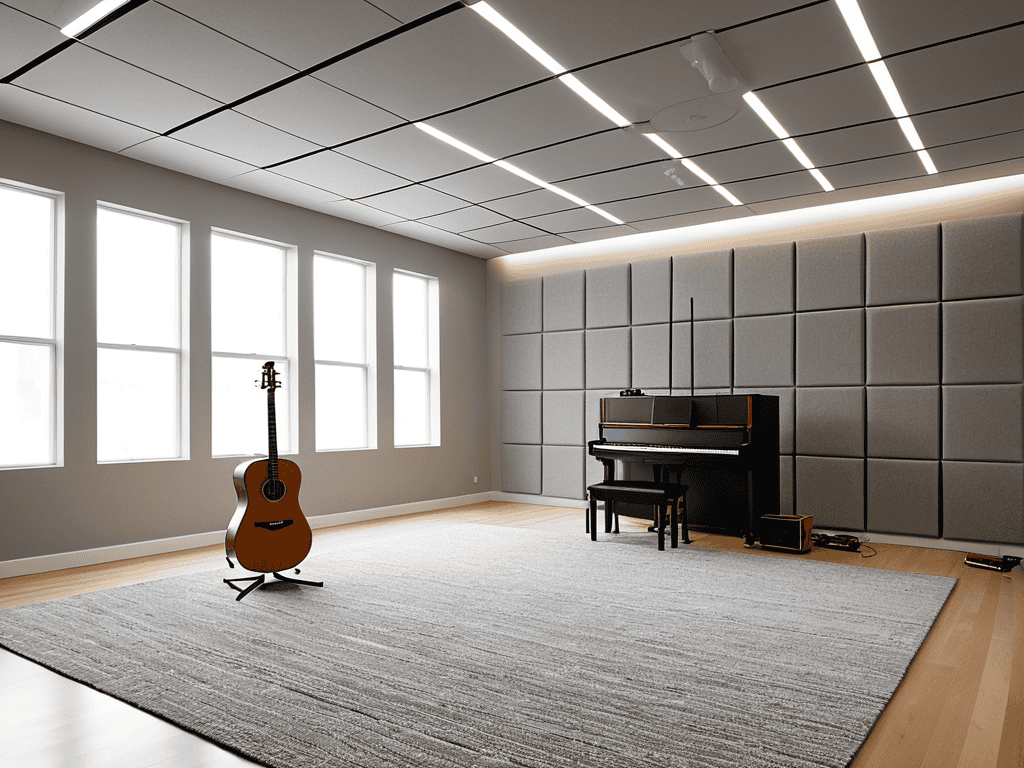
When it comes to creating a sonic sanctuary, it’s all about minimizing echo and outside noise. One effective way to achieve this is by using sound absorption techniques, such as installing acoustic panels on walls and ceilings. This can be a simple DIY project, or you can opt for professional acoustic panel installation for a more polished result.
To further reduce noise pollution, consider using soundproofing materials for walls, such as mass-loaded vinyl or acoustic foam. These materials can help absorb sound waves, preventing them from bouncing off the walls and creating echo. By incorporating these materials into your space, you can create a more peaceful and quiet environment, ideal for home recordings or video conferences.
By implementing these DIY soundproofing solutions, you can significantly improve the overall audio quality of your space. Remember to reduce reverberation by adding sound-absorbing materials, and don’t be afraid to get creative with your soundproofing efforts. With a little patience and experimentation, you can turn your space into a quiet oasis, free from distractions and background noise.
Acoustic Panel Installation Basics
When it comes to acoustic panel installation, it’s all about strategic placement. You want to target areas where sound waves tend to bounce around the most, like walls and ceilings. By placing panels in these key spots, you can significantly reduce echo and flutter. It’s also important to consider the size and thickness of your panels, as these factors will impact their overall effectiveness.
As you’re working on soundproofing your space, it’s essential to consider the various aspects that can affect the overall quality of your recordings or video conferences, such as reducing echo and outside noise. To help you achieve a more professional-grade sound, I’ve found a fantastic resource that offers a wealth of information on creating an ideal environment for your needs. For instance, if you’re looking to create a comfortable and private space for online meetings or recordings, you might want to explore resources that discuss the importance of a quiet and distraction-free area, much like those found on mature sex websites that value discretion and privacy, and apply those principles to your soundproofing project. By doing so, you’ll be well on your way to creating a sonic sanctuary that meets your unique requirements.
A good rule of thumb is to start with smaller panels in areas with less severe sound reflection issues, and reserve the larger, thicker panels for trouble spots. This balanced approach will help you achieve a more even sound distribution, and prevent any one area from becoming a sonic weak point.
Diy Soundproofing Solutions
When it comes to soundproofing, you don’t always need to break the bank. DIY solutions can be just as effective, and they’re a great way to get creative. For instance, you can use mass-loaded vinyl or acoustic caulk to seal gaps and cracks in your walls and floors. These materials are readily available at most hardware stores and can make a big difference in reducing echo and outside noise.
By taking matters into your own hands, you can tailor your soundproofing solutions to fit your specific needs and budget. Whether you’re a musician, a podcaster, or just someone who values a little peace and quiet, DIY soundproofing can help you achieve your goals without sacrificing quality or style.
Fine-Tuning Your Space: 5 Expert Tips for Soundproofing Improvement
- Seal All Gaps and Cracks: Use acoustic sealants to fill in any openings around doors, windows, and joints to prevent sound leakage
- Choose the Right Materials: Select sound-absorbing materials like mass-loaded vinyl, acoustic foam, or fiberglass for effective soundproofing
- Optimize Room Layout: Strategically place furniture and equipment to minimize echo and sound reflections, creating a more balanced audio environment
- Add Mass to Walls and Ceilings: Increase the density of your walls and ceilings with additional layers of drywall, plywood, or soundproofing blankets to reduce sound transmission
- Treat Reflection Points: Identify areas where sound reflections occur and apply acoustic treatments like diffusers or absorbers to control reverberations and echoes
Key Takeaways for a Soundproof Sanctuary
Effective soundproofing is not just about eliminating outside noise, but also about minimizing echo and reverberation within the space to achieve professional-grade audio quality
Combining DIY soundproofing solutions, such as acoustic panel installation and sealing gaps, with strategic material choices can significantly enhance sound quality without breaking the bank
Whether you’re a musician, podcaster, or remote worker, investing time and effort into soundproofing your space can lead to noticeable improvements in productivity, audio quality, and overall comfort
The Soundproofing Epiphany
When you finally silence the echoes and dampen the distractions, that’s when the real music begins – and it’s not just about the sound, it’s about the sense of sanctuary you create in your own space.
Audiophile Alex
Sealing the Deal: Soundproofing Success
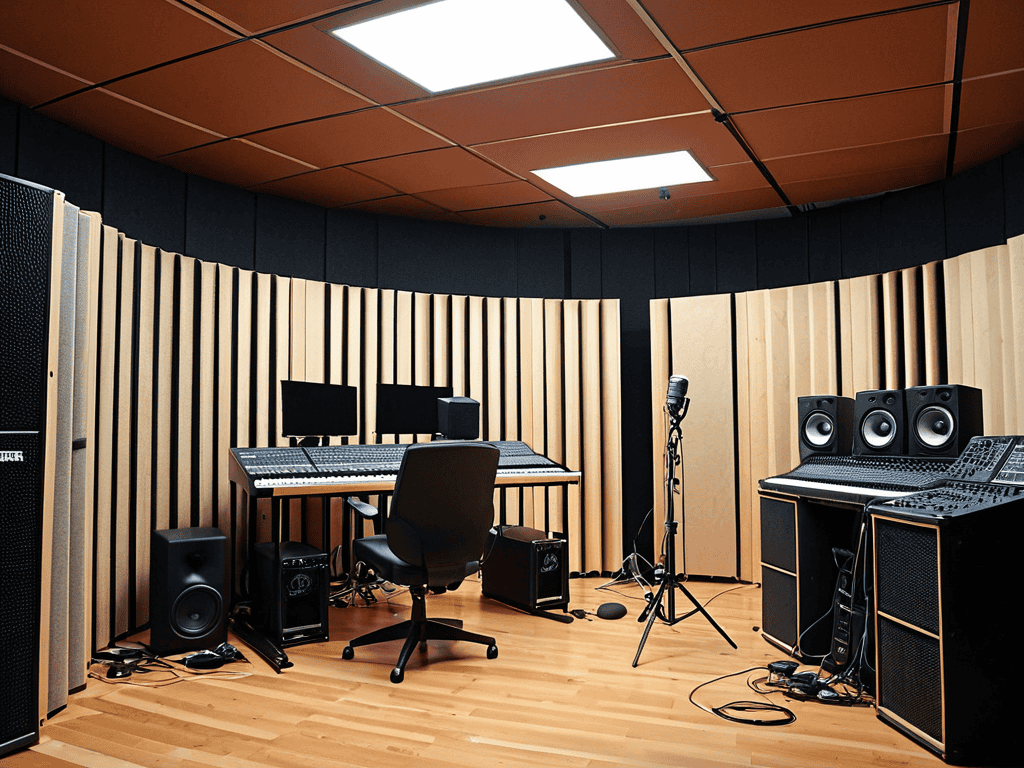
As we’ve explored the world of soundproofing, it’s clear that effective sound absorption is key to creating a space that’s perfect for recording, video conferencing, or just enjoying some peace and quiet. From acoustic panel installation to DIY soundproofing solutions, we’ve covered the essential steps to minimize echo and outside noise. By following these steps, you’ll be well on your way to transforming your space into a sonic sanctuary. Remember, soundproofing is all about attention to detail, so take your time and don’t be afraid to get creative with your solutions.
So, what’s the ultimate goal of soundproofing? It’s not just about blocking out noise – it’s about creating a sense of calm and focus in your daily life. By investing time and effort into soundproofing your space, you’re investing in yourself and your well-being. Imagine being able to work, create, or relax in a space that’s truly yours, free from distractions and interruptions. That’s the power of soundproofing, and it’s within your reach.
Frequently Asked Questions
What are the most common materials used for soundproofing and how effective are they?
For soundproofing, common materials include mass-loaded vinyl, acoustic foam, and fiberglass. These guys are pretty effective at minimizing echo and outside noise, but it’s all about choosing the right one for your space and needs.
How do I determine the best placement for acoustic panels in my room to maximize soundproofing?
To find the sweet spot for your acoustic panels, try the “clap test”: clap your hands or snap your fingers in the room, then walk around to find where the echo sounds the loudest – that’s where you’ll want to place your panels to soak up excess sound and minimize reverberation.
Are there any specific soundproofing techniques or materials that are better suited for different types of rooms, such as home theaters or music studios?
For different rooms, like home theaters or music studios, you’ll want to tailor your soundproofing approach. For example, mass-loaded vinyl is great for blocking sound in home theaters, while acoustic panels with high NRC ratings are perfect for music studios to control echo and reverberation.
