Did you know photojournalism links historic events to a global audience in today’s digital age? The world is more connected, making visual storytelling very important. As a photojournalist, capturing defining moments is my goal. I turn complex events into powerful stories. These stories inform, inspire, and trigger action. It’s crucial to master photography basics to produce meaningful images.
Though DSLR cameras are popular, advanced smartphones also take amazing photos. Knowing how to use them is key. In photojournalism, being ethical is very important. I make sure to tell stories truthfully and with respect. This means being accurate and protecting my subjects’ dignity.
In this article, I’ll share what makes photojournalism important. I’ll talk about how great photos tell in-depth stories. These stories can engage readers and start vital discussions. Covering news or social issues, a photojournalist must plan well and tell stories skillfully. And always stick to the truth.
Key Takeaways
- Photojournalism is vital for connecting people to significant events and narratives.
- Mastering photography fundamentals leads to powerful visual storytelling.
- Ethics and respect for subjects are essential in capturing honest stories.
- Both DSLR and advanced smartphone cameras can create compelling images.
- Careful planning and research enhance the depth of photojournalistic narratives.
Understanding the Basics of Photojournalism
Photojournalism tells powerful stories through images in our world today. It has grown, especially with digital media’s rise. Now, people see photojournalism everywhere from newspapers to social media. The main goal of photojournalism is to show important and relevant images. These should tell a story, not just look good.
The Role of Photojournalism in Modern Society
In our busy world, photojournalism connects us with what’s happening around us. It shows urgent matters that need our attention. By capturing events as they happen, it brings stories to life. This makes the audience feel closer to the truth. Thanks to digital media, photojournalists can reach people all over the globe. This helps us understand big events better.
Key Principles of Visual Storytelling
Good visual storytelling in photojournalism follows some important rules. Things like light, color, and how the photo is set up matter a lot. Each photo must show feeling and movement but stay true to reality. The beauty of a photo makes us think and feel more deeply. Sometimes, a short article or caption adds to the photo’s story, making it even richer.
Difference Between News Photography and Documentary Photography
News photography and documentary photography are both types of photojournalism, but they are different. News photography is all about capturing big moments right when they happen. It focuses on the ‘now’. On the other hand, documentary photography tells a story over time. It gives a deeper look into a topic, sometimes taking weeks or months to explore.
Techniques for Capturing Compelling Images
In photojournalism, learning key skills improves how we share stories. Knowing photography fundamentals like shutter speed is crucial. These basics help me tell stories through photos.
Mastering Photography Fundamentals
I focus on important concepts to catch a moment’s vibe. Taking time with each shot lets me feel and see the final picture. This makes my photos more striking and meaningful to people.
Great photography isn’t just taking pictures. It’s about understanding the scene’s finer details.
Importance of Composition and Lighting
Composition and lighting shape an image’s mood. I aim to tell engaging stories using light and how I frame subjects. A well-arranged shot turns simple scenes into intriguing visuals, increasing the photo’s emotional effect.
How to Capture Action and Emotion
Being good at action photography means being ready to catch quick moments. Showing emotion goes beyond skills; it needs a real bond with the subject. Connecting with people helps me share close-up tales.
With my camera, I focus on the human side of stories. I capture the wide range of feelings and experiences people go through.
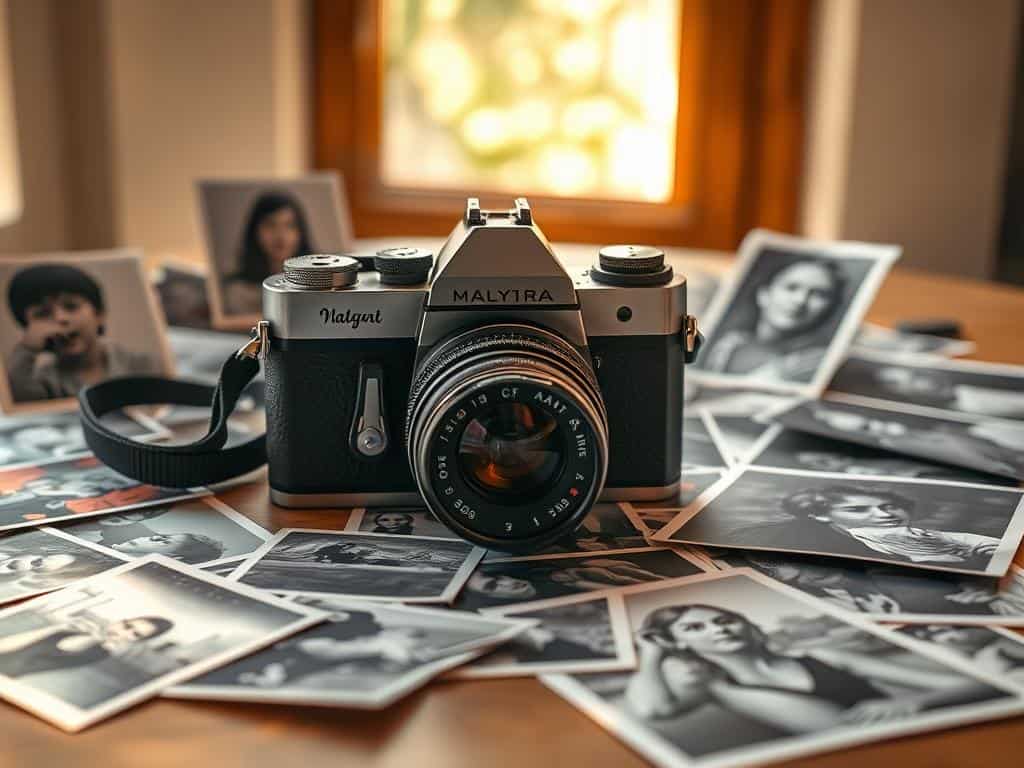
Photojournalism: Crafting a Compelling Narrative
Creating a strong photojournalism story is more than taking pictures. It starts with finding the right story angle. This means understanding the events and the people you’re capturing. Choosing the right angle makes the story deeper and connects with the audience’s emotions.
Finding the Right Angle for Your Story
The angle is the heart of the story. It shapes how I take photos that send a clear message. A good angle must touch the viewers emotionally, pulling them into the picture. Without this emotional link, even the most skilled photo might not have much effect.
The Importance of Research and Planning
Research and planning are key for a great photo story. They help me learn more about what I’m capturing. Knowing my subject well lets me take pictures with respect and truth. With good planning, I can face unexpected challenges to get the best shots for my story.
Building Trust and Relationship with Subjects
Building trust with the people I photograph is very important. When people trust me, they are more relaxed. This leads to more real and touching photos. This connection lets stories come out naturally, making my photojournalism richer. If the people feel respected, the photos will show true experiences that touch the audience deeply.
Conclusion
Photojournalism is much more than just taking pictures. It’s about creating visual stories that touch people’s hearts. This art form came into its own during the 1920s, thanks to the 35 mm Leica camera. Photojournalists could then share tales from across the world through their lenses. Magazines like Life and Vu showed how photos could make stories more powerful, shining a light on social issues.
Photojournalism sticks to strict ethics, focusing on truth and accuracy. This is according to the National Press Photographers Association. Such dedication makes the stories told through pictures even more powerful. It can drive change and educate the world. A study by the U.S. National Academy of Sciences found that people remember thousands of images with great detail. This shows the strong impact visuals can have.
In today’s digital age, photojournalism remains vital. It covers different styles, like portrait and documentary photography. These forms aim to tackle social matters and boost artistic expression. Photojournalism’s ability to influence public opinion is only getting stronger. It promises to continue being a key way to share stories and emotions.
