Did you know fashion photography lets photographers turn creative stories into amazing pictures? It’s key in today’s fast-moving visual world to grab attention with stories told through fashion shoots. These images don’t just show off styles. They also share an emotion or story that people connect with. I’ve seen how a great fashion story can make clothes tell a powerful narrative, touching hearts and inspiring dreams.
I’m going to share some tips and tricks to boost your fashion photography. We’ll cover everything from brainstorming ideas to the final photo shoot. Knowing these key steps will make your photos more impactful. Fashion stories, in magazines or online, offer a mix of pictures and words that tell a tale. Let’s dive into how teamwork, creativity, and planning can make your work shine.
Key Takeaways
- Fashion photography offers creative freedom to translate stories visually.
- Successful editorial shoots from brainstorming to execution emphasize collaboration.
- Understanding the role of team members enhances the quality of your editorials.
- Utilizing mood boards can guide the creative direction of the shoot.
- Proper lighting setups are crucial for making fashion editorials impactful.
Understanding Fashion Editorials
Fashion editorials are key to storytelling in fashion. They offer stories beyond just showing clothes. They aim to stir emotions and set a mood with images, often seen in fashion magazines. Each photo pairs with text, giving a full story that grabs the reader. It shows the newest trends and ideas in fashion.
Definition and Purpose
Fashion editorials have a big goal. They mix art with storytelling. They’re not just ads; they tell deeper stories. These stories allow for creativity and new ideas. They also show different types of beauty, making diversity important. With posed photos, they give off a vibe, making the story the main thing.
The Role of Fashion Magazines
Fashion magazines are very important in the world of fashion editorials. They set trends and share new styling ideas and trends. When I look at different fashion magazines, I learn a lot. They teach me about putting a story together in pictures. A fashion story usually takes up several pages, needing a theme that connects everything. Knowing this helps me make stories that people really get into.
Key Elements for Captivating Fashion Editorials
To create a standout fashion editorial, focus on lighting, composition, and the team. These elements deeply affect the story and look. Getting them right makes photos catch the eye and tell stories.
Lighting Techniques
Light runs the show in fashion editorials. I play with lighting to get the feel I want. Outside, the golden hour’s light brings a magical touch. Inside, studio lights let me direct shadows and lights for effect. This dance of light and shadow makes photos pop and stories come alive.
Composition and Angles
Good composition grabs people. I use angles to show emotions, like strength or softness. The rule of thirds helps make balanced, lively shots. Trying new angles can surprise and hook viewers, making them see the story in a fresh way.
Choosing the Right Team
The right team is key to a great fashion editorial. Talented folks—like photographers, models, and stylists—need to work together well. Sharing ideas clearly, maybe through mood boards, gets us all aiming for the same goal. Everyone’s skills add up, making the style and story better.
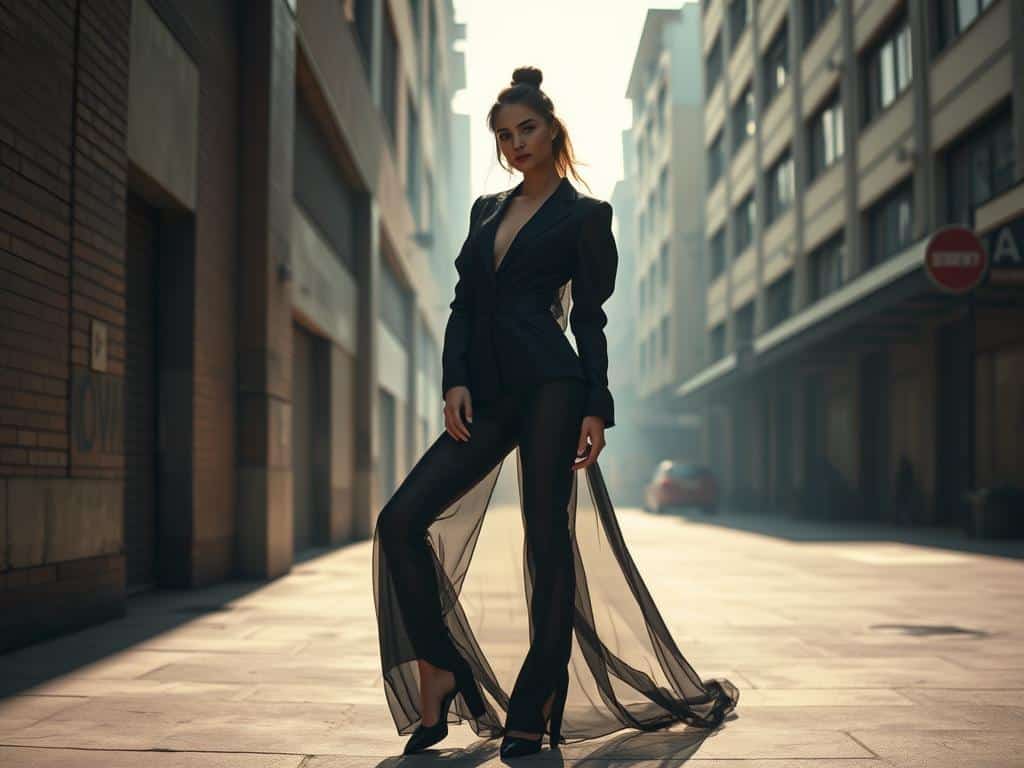
Fashion Editorials: Tips for Unique Visual Storytelling
I find creativity in unexpected places for fashion shoots. Urban settings, museums, movies, and cultural happenings are rich with new ideas. I keep an inspiration journal filled with color, texture, and eye-catching editorial looks. This helps me dream up fresh concepts for stunning photos.
Finding Inspiration
Inspiration comes from many places outside. I suggest checking out local art shows or famous buildings for different styles and stories. Keeping up with fashion trends and observing colors and textures gives me new ideas. Exploring varied cultures also adds to my artistic vision, showing in my photos.
Utilizing Color and Texture
Colors and textures are key for fashion editorials. I blend colors and fabrics for rich visuals. Balancing these aspects turns simple photos into art. Post-editing, like color grading, enhances the mood and beauty of the work.
Creating a Cohesive Theme
A strong theme ties a fashion editorial together. It steers outfit choices, spots for shooting, and the style of photography. Using mood boards or storyboards helps me plan. This keeps the story clear and boosts the viewer’s enjoyment, leaving a lasting impression.
Conclusion
To make fashion editorials that truly stand out, start with the basics like lighting and team choice. Mix these with creativity and innovation. This way, photographers can create images that capture attention and tell deep stories.
Finding inspiration from many places is key to great fashion stories. Trying new things helps create a unique style in your photos. Working with brands and exploring cultural themes can make your work even more meaningful.
For those just starting, focus on learning and working with others. This will help you break new ground in fashion photography. Keep being creative, and you’ll find endless opportunities to tell captivating stories through your photos.
