Did you know 3D animation, also called CGI, is a top choice for movies today? It changes how we enjoy stories. The movie Toy Story in 1995 started a new era in cinema with 3D animation. Learning about different animation methods, like motion graphics, helps me grow creatively. I aim to make visuals not just beautiful but also engaging for viewers.
Animation can greatly improve graphics on any platform. From stop motion to 2D vector graphics, there are many styles to explore. Tools like Autodesk Maya and Blender help turn ideas into reality. They keep my work on the cutting edge. In this article, I’ll talk about five key animation techniques. They’ll help make both graphics and stories better.
Key Takeaways
- 3D animation dominates modern media, providing unparalleled immersion.
- Stop motion animation has seen a resurgence, appealing both to creators and audiences.
- Vector animation promotes smooth, scalable visuals effective for various applications.
- Motion graphics are increasingly utilized for engaging advertising and titles.
- Each animation technique serves a unique purpose, enhancing visual storytelling.
- Creative skills in animation can significantly impact audience engagement.
Exploring the World of Animation Techniques
Animation is the art of making images move using a series of still pictures. It’s used in movies, video games, and ads. Discovering Animation history, I learned its goal is to bring ideas to life. It aims to touch our hearts and tell captivating stories. By mixing digital art with classic methods, it allows for more impactful and intriguing tales.
What is Animation?
Animation involves various methods to create the effect of movement. Techniques range from hand-drawn to advanced CGI. Each approach has its advantages. While hand-drawn animation is labor-intensive, digital methods are quicker. This lets creators experiment more freely. Combining old and new styles results in visually stunning works that audiences love.
The Evolution of Animation
The progress of animation mirrors technological growth. It’s amazing to see the shift from hand-drawn to 3D animation dominance. A key event was “Toy Story,” the first all-CGI film, in 1995. It changed how stories are told through animation and set new benchmarks. Then, “Frozen” wowed us with its impressive 3D animation, proving this art form’s success and appeal.
Today, animation mixes techniques like motion capture for added realism. “Avatar” showed how lifelike animated characters could be. Sony is blending classic and modern approaches in works like “Into the Spider-Verse.” This mix creates a novel style that pushes the boundaries of animation.
5 Effective Animation Techniques to Enhance Your Graphics
Animation has different techniques to make graphics come alive. Each one offers special benefits. Creators pick what works best for their project. Here are five top animation techniques in the industry.
3D Animation
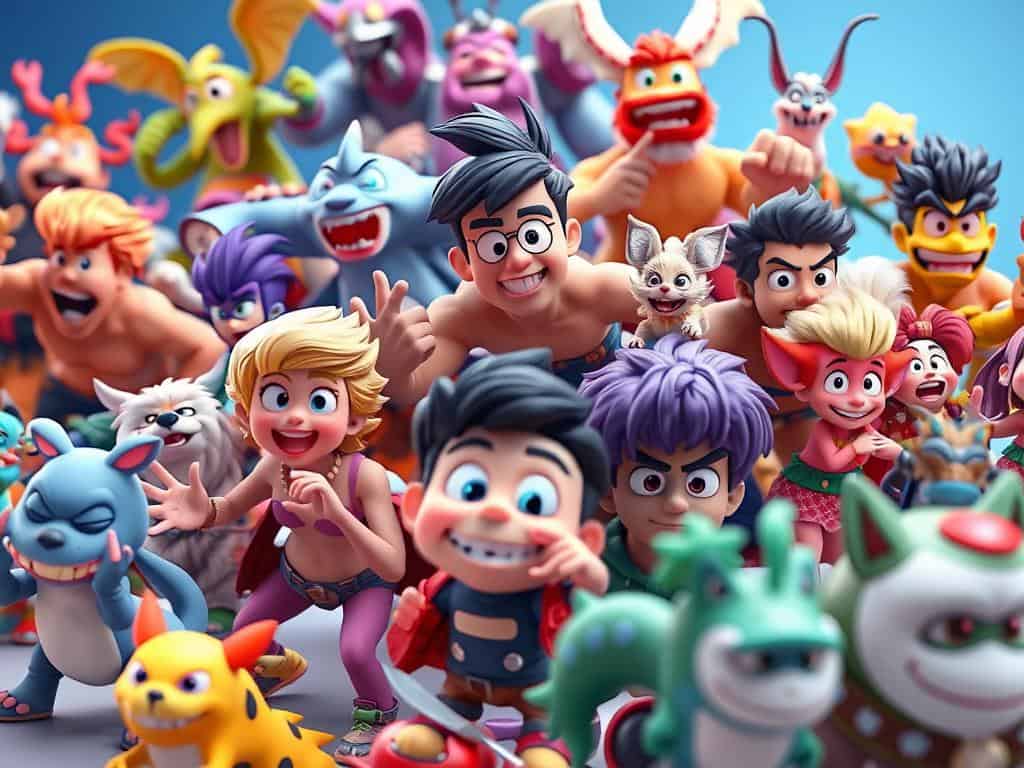
3D animation uses computer images to make realistic animations in a 3D space. It involves character rigging, which lets animators move characters easily. With tools like Autodesk Maya, high-quality, lifelike animations are made. They’re perfect for movies, games, and educational stuff.
Motion Capture
Motion capture is a big step forward in animation. It records real actors’ movements and applies them to digital characters. This makes characters seem more real, which people love. Movies like “Avatar” show the vivid experiences motion capture can create, making CGI feel alive. It’s getting more popular because it makes stories feel real.
Stop Motion Animation
Stop motion moves objects little by little, capturing each move as a photo. This creates a unique, handmade look that people adore. “Coraline” by Laika shows how creative stop motion can be. It has a nostalgic and tangible quality, different from other types. It connects deeply with viewers.
2D Vector Animation
2D vector animation uses math to keep images sharp at any size. It’s great for designs that need to look good everywhere, like in explainer videos. With Adobe After Effects, creators can make lively visuals that explain things well. This method is perfect for grabbing and keeping people’s attention today.
Motion Graphics
Motion graphics mix design and animation to tell stories visually. They’re great for making complicated ideas easy to understand, like in learning or ads. The bright and lively style of motion graphics sticks with the viewer. Shows like “Stranger Things” use it cleverly to keep us watching.
Conclusion
To wrap up, mastering 3D animation, motion capture, stop motion, 2D vector animation, and motion graphics greatly boosts my projects. Each one brings unique benefits that fit different stories and looks. This range of techniques gives me the freedom to be creative in my animation work.
Technology keeps evolving, so I keep learning new ways to animate, like using computer images and AI. Keeping up with these changes helps me stay current and creative in telling stories. By combining different methods, I can make my projects more compelling and visually interesting.
Using a variety of animation techniques makes creative work more open to everyone, not just the pros. The animation world is always growing. As I explore and test new limits, my journey in animation becomes even more exciting and fulfilling.
