Ever sat in your studio at 3:00 PM, staring at a flickering fluorescent bulb that feels less like a light source and more like a slow-motion interrogation lamp? We’ve all been there—that mid-afternoon slump where your brain feels like it’s stuck in heavy molasses. Most tech blogs will try to sell you on bio-adaptive lighting for mood by using a mountain of jargon about “circadian rhythm synchronization” and “spectral power distribution,” making it sound like you need a PhD just to turn on a lamp. But let’s be real: you don’t need a lecture on biology; you just need your environment to stop fighting your soul.
I’m not here to sell you on expensive, over-engineered smart home ecosystems that require a manual the size of a Tolstoy novel. Instead, I want to share how we can treat light like a digital paintbrush, using it to gently nudge our emotions from “jittery caffeine spike” to “cozy evening exhale.” I’ll be breaking down the actual, hands-on ways to use bio-adaptive lighting for mood without the fluff, focusing on how to weave a rhythm of light into your daily life that actually feels human.
Table of Contents
- Melatonin Regulation Through Light a Rhythmic Lullaby
- Spectral Power Distribution for Wellness Painting With Pure Energy
- Lighting Your Life: 5 Ways to Choreograph Your Personal Glow
- Small Shifts, Big Glow: Bringing the Magic Home
- The Digital Hearth
- Chasing the Glow: A New Way of Seeing
- Frequently Asked Questions
Melatonin Regulation Through Light a Rhythmic Lullaby
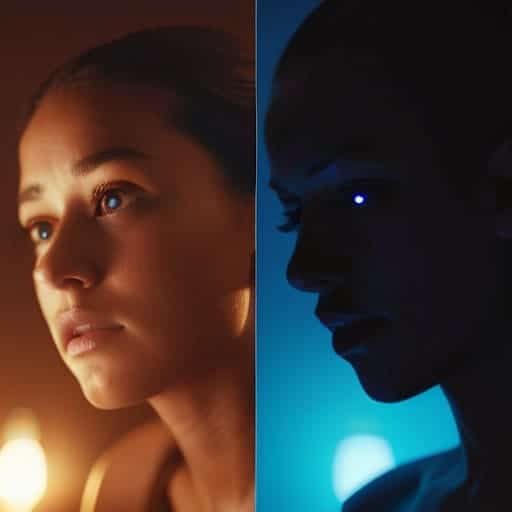
Think of your brain’s internal clock as a delicate, finely tuned metronome. In a perfect world, this metronome keeps a steady, rhythmic beat, synchronized with the rising and setting of the sun. But in our modern, neon-soaked existence, that rhythm often gets a bit… scrambled. This is where melatonin regulation through light steps in to act like a gentle conductor, smoothing out the tempo. When we bathe ourselves in harsh, blue-heavy light late at night, it’s like someone suddenly blasted a trumpet right next to our sleeping brain, telling it that it’s high noon when it should actually be midnight.
To fix this, we can look toward human-centric lighting design to act as a soothing lullaby for our biology. Instead of a static, unchanging glow, imagine your home’s lighting shifting like the colors of a sunset—transitioning from the crisp, energetic blues of morning to the warm, honeyed ambers of evening. By automating this shift, we aren’t just playing with brightness; we are choreographing a biological dance that tells our bodies exactly when to wake, when to play, and—most importantly—when to finally drift into a deep, restorative slumber.
Spectral Power Distribution for Wellness Painting With Pure Energy
If we think of light as the mere absence of darkness, we’re missing the most vibrant part of the story. In reality, light is a complex cocktail of different wavelengths, much like the layers of flavor in a well-crafted spicy curry. This is what we mean when we talk about spectral power distribution for wellness; it’s not just about how bright a bulb is, but about the specific “ingredients” of energy it pours into your space. Some lights are heavy on the blue hues, acting like a sharp shot of espresso for your brain, while others lean into the warm, amber tones that feel like a soft wool blanket on a rainy afternoon.
As we begin to weave these light patterns into our daily lives, it’s easy to feel a bit overwhelmed by all the technical jargon—like trying to learn a new dance choreography without a partner. If you’re looking to ground your exploration of wellness and human connection in a more local, real-world context, I’ve found that sometimes the best way to understand our own rhythms is to look at how we interact with the world around us. For instance, exploring the diverse ways people connect and share intimacy in our communities, much like looking into the nuances of sex in coventry, can offer a fascinating perspective on how human connection and our environment constantly influence one another. Finding that delicate balance between our digital surroundings and our most primal, social selves is truly where the magic happens.
When we dive into human-centric lighting design, we stop treating light as a static utility and start treating it as a dynamic medium. By fine-tuning the spectral makeup of our environments, we can actually influence our internal state. It’s like having a digital paintbrush that doesn’t just color your walls, but paints the very atmosphere of your consciousness, shifting the energy of a room from high-octane focus to a gentle, meditative hum.
Lighting Your Life: 5 Ways to Choreograph Your Personal Glow
- Think of your lights as a morning espresso for your eyes; start your day with crisp, cool blue tones to shake off the sleep fog and tell your brain it’s time to perform.
- Treat your evening transition like a slow-dance; as the sun dips, let your lights soften into warm, amber hues that mimic a cozy sunset, signaling your body to gently drift toward dreamland.
- Don’t let your home become a static museum; use smart dimmers to create “layers” of light, much like how a chef adds seasoning, to adjust the intensity based on whether you’re deep in focus or lounging with a book.
- Avoid the “interrogation room” effect by ditching harsh, overhead glare; instead, use indirect lighting—like light bouncing off a wall—to create a soft, ambient wash that feels like a warm hug for your senses.
- Sync your tech with your natural rhythm; setting up automated schedules so your lights “breathe” with your circadian rhythm is like having a silent conductor guiding your daily energy levels without you even noticing.
Small Shifts, Big Glow: Bringing the Magic Home
Think of bio-adaptive lighting not as a gadget, but as a digital conductor for your internal orchestra, helping your body find its natural rhythm between the high-energy crescendos of the day and the soft, melodic lullabies of the night.
Just as a chef balances spices to create a perfect dish, we can use the “ingredients” of light—its color temperature and intensity—to season our environment, making our spaces feel more nourishing for our mental well-being.
Embracing this tech is about more than just efficiency; it’s about reclaiming our connection to the natural world, using light as a bridge to weave a sense of calm and presence into the very fabric of our modern, digital lives.
The Digital Hearth
“Think of bio-adaptive lighting not as a mere utility, but as the digital equivalent of a warm, crackling hearth; it’s a way for our technology to finally stop shouting at us and start whispering in the soft, rhythmic language of our own biology.”
Di Cristina
Chasing the Glow: A New Way of Seeing
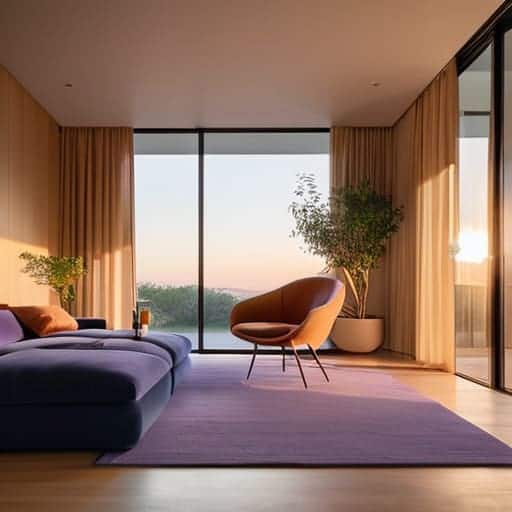
As we’ve explored, bio-adaptive lighting is so much more than just a fancy way to dim the lights before bed; it is about honoring the biological rhythm that lives within us. By understanding how light acts as a rhythmic lullaby for our melatonin levels and how spectral power distribution allows us to essentially paint our rooms with pure, wellness-focused energy, we can transform our living spaces from static boxes into responsive environments. We aren’t just adjusting brightness; we are choreographing a dance between our biology and our technology, ensuring that our digital world works in harmony with our ancient, natural needs rather than against them.
Ultimately, I believe that the tools we build should serve to deepen our connection to ourselves and the world around us. When we embrace these smart, adaptive technologies, we aren’t just upgrading our lightbulbs—we are curating our own emotional landscapes. Let’s stop viewing technology as something separate from our humanity and start seeing it as a digital brush that can help us color our lives with more intention, warmth, and balance. I invite you to look at your space not just as a place where you live, but as a living canvas waiting to glow with the unique rhythm of your soul.
Frequently Asked Questions
If I’m working late on a creative project, can I tweak the light to stay focused without accidentally tricking my brain into thinking it's high noon?
Oh, the midnight creative grind! I’ve been there, chasing a spark while the rest of the world sleeps. Think of your light like a dimmer switch on a radio; you don’t want to blast the heavy metal of high-noon sunlight when you’re trying to find a groove. Try shifting toward a cooler, crisp blue-white light to sharpen your focus, but keep the intensity low. It’s like a focused spotlight rather than a floodlight—enough to wake up your brain without tricking it into a full-blown midday frenzy.
Does this kind of smart lighting actually work with the existing lamps and fixtures I already have at home, or am I looking at a total room makeover?
The good news? You don’t need to go full “architectural renovation” to get started! Think of smart lighting like adding a new seasoning to a recipe you already love. Most of the magic happens through smart bulbs or tiny, clever plugs that turn your old, trusty lamps into interactive players. You can keep your favorite vintage floor lamp and just swap the “heart”—the bulb—to start dancing with the light. It’s an evolution, not a demolition.
How do we make sure these automated lighting systems don't feel too "robotic"—is there a way to make the transitions feel as natural as a sunset rather than a sudden flick of a switch?
Think of it like a well-rehearsed dance troupe rather than a light switch’s abrupt “on/off” stomp. To avoid that jarring, robotic vibe, we use “fading curves”—essentially teaching the light to breathe. Instead of a sudden jump, we program gradual, non-linear transitions that mimic the slow, honey-like drift of a sunset. By layering these soft gradients, the tech disappears, leaving only a seamless, organic glow that feels less like code and more like magic.