Did you know Pinterest is full of minimalist photos? This shows how big its impact is on today’s pictures. Minimalist photography is not just about less mess. It’s about making a clean photo that lets people feel the main point. Famous photographers like Joel Santos and Vladimir Rys talk about making space in a photo. This space helps highlight the important parts.
In my own journey, minimalist photography showed me how simplicity can bring out deep feelings. When there is less, it can actually mean more.
Key Takeaways
- Minimalist photography thrives on the effective use of negative space.
- Bright colors and contrasting transitions are fundamental to this style.
- The rule of thirds is a key compositional technique in minimalist shots.
- Shooting in RAW format retains detail essential for post-processing.
- Utilizing manual camera settings helps in crafting the perfect shot.
- Modern architecture serves as an ideal subject for minimalist photography.
- Incorporating human figures can enhance storytelling in minimalist compositions.
Understanding Minimalist Photography
Minimalist photography is all about simplicity and careful setup. It’s about choosing a few key elements to make strong, moving pictures. This art form started in the 1960s in the US. It’s part of a bigger trend of minimalism. By focusing on a “less is more” approach, it uses negative space well. This helps highlight a single subject without any mess.
What is Minimalism in Photography?
Minimalism in photography means using very little to tell a story. It avoids too many colors, patterns, or details that might distract. By having a strong subject against a simple background, it shows the essence of the subject. Famous photographers like Michael Kenna and Hiroshi Sugimoto have shown us how less can mean more. They use few colors or even just black and white to touch our emotions with their photos.
The Role of Negative Space
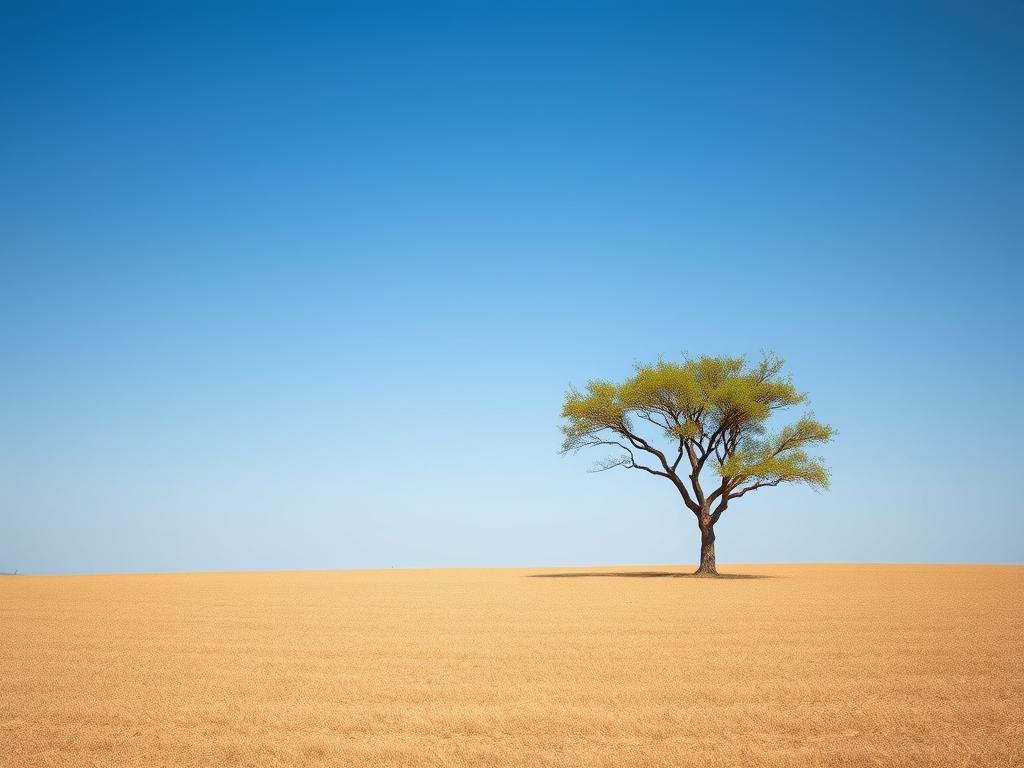
Negative space is key in minimalist photography. It’s what makes the main subject pop against a clear backdrop. This technique brings balance and grabs our attention. Instead of filling the frame with stuff, using negative space makes the photo feel deeper. It lets us feel emotions we’d miss in a busier picture. With negative space, viewers can connect with the image on a deeper level.
Techniques for Achieving Minimalist Composition
To create striking minimalist compositions, there are several key techniques. They focus on cutting down distractions and creating a clear story. By using these methods, my work in making powerful images that speak to the audience has improved.
Simplifying Your Visual Story
Clarity and purpose drive simplifying my visual story. Embracing minimalism lets me highlight what’s crucial and cut out what’s not. This method boosts the photo’s impact.
By evaluating my environment, I decide which elements boost the story and which ones to remove. This process ensures my images are clean and convey deeper meaning easily. A simplified visual story leaves a strong, lasting impression, making it easier for the viewers to connect with the picture.
Experimenting with Lenses
Experimenting with lenses lets me discover new angles that improve my minimalist photos. Using prime lenses encourages me to interact more with my surroundings. This search for the perfect shot leads to cleaner compositions.
Prime lenses, like the AF-S Nikkor 85mm f/1.8G, offer exceptional clarity. They let me focus on the subject while reducing background distractions. This lens exploration enhances my storytelling in photography.
Utilizing Light and Texture
Light plays a central role in transforming minimalist compositions. By playing with light, I can highlight contrasts and textures that tell a story. Whether it’s natural or artificial, light shapes how subjects are viewed.
Adding textures brings depth to my minimalist photos. It invites viewers to look closer at the simple yet complex details. Light and texture together are key in creating memorable images that linger with the viewer.
Conclusion
As I explore minimalist photography, I see it goes against usual rules. It advocates ‘less is more,’ making my photos stand out. They’re clean yet powerful, without too much going on.
This style is getting more popular, especially on Instagram. Here, simple designs and clear subjects get a lot of love. Adapting to small screens means focusing on one thing in a photo. But, it’s important not to overdo it. Too much simplicity can make people lose interest.
Minimalist photography has deepened my art knowledge. It teaches me to be clear but simple in my work. I’m excited to dive deeper into this style. It boosts my creativity and personal growth in seeing the beauty of simplicity.
