I remember standing in my kitchen last autumn, surrounded by a chaotic symphony of clanging pots and a half-finished centerpiece that looked more like a fallen bird’s nest than art. I was sweating through my favorite linen shirt, obsessing over the exact placement of organic linen napkins, while my actual friends were already laughing in the living room, blissfully unaware that I was having a minor existential crisis over a garnish. We’ve been sold this lie that hosting is a high-stakes performance, a perfectly rendered 4K simulation where every pixel of decor must be flawless, but honestly? Learning how to host without stress isn’t about achieving technical perfection; it’s about reclaiming the human element from the pressure of the presentation.
In this post, I’m stripping away the polished, filtered expectations of “Pinterest-perfect” gatherings to give you something much more useful. I want to share my personal blueprint for orchestrating a night that feels less like a rigid algorithm and more like a beautiful, improvised dance. I’ll be sharing the messy, experience-based strategies I use to keep the energy flowing and the anxiety low, ensuring you actually get to enjoy the magic of the connection rather than just managing the logistics.
A Minimalist Hosting Ideas Canvas for Quiet Joy
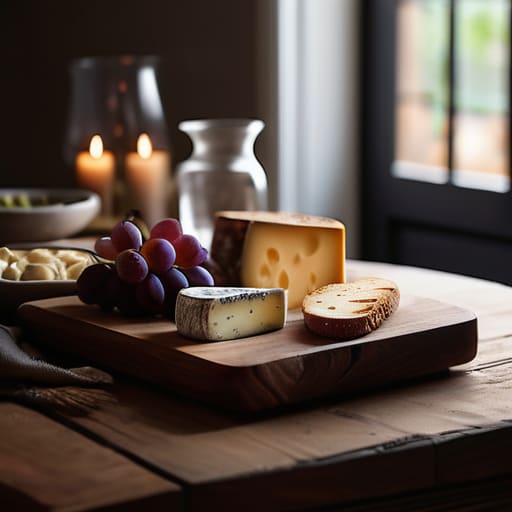
If we look at a gathering through the lens of a digital canvas, we realize that we don’t need to fill every pixel to create a masterpiece. In fact, sometimes the most profound impact comes from the negative space. I like to think of minimalist hosting ideas not as a lack of effort, but as a curated selection of meaningful moments. Instead of a frantic, overstuffed buffet that feels like a cluttered desktop, aim for a “single-source” approach. Pick one stellar centerpiece—perhaps a beautifully rustic grazing board or a single, steaming pot of fragrant stew—and let that be the heartbeat of the evening.
When you strip away the performative layers of heavy decor and complex multi-course menus, you create room for what actually matters: the conversation. For those navigating the tricky waters of hosting etiquette and social anxiety, remember that your guests aren’t there to audit your interior design; they are there to connect with you. By simplifying your meal prep for dinner parties, you transform yourself from a frantic chef into an active participant in the dance. When you aren’t tethered to the oven, you’re free to actually listen to the stories unfolding around your table.
Mastering the Party Planning Checklist With Playful Precision
Think of your party planning checklist not as a rigid, daunting manifesto of chores, but as the underlying source code for your evening. Just like when I’m scripting a new AR installation, you don’t want to be debugging your logic while the guests are already walking through the digital door. If you treat your to-do list like a series of small, manageable micro-interactions rather than one giant, overwhelming monolith, the whole process starts to feel less like a chore and more like a creative rehearsal.
To keep things flowing smoothly, I’m a huge advocate for smart meal prep for dinner parties. I like to view prep work as the “loading screen” of your event; if you handle the heavy lifting—the chopping, the simmering, the setting of the stage—before the first doorbell rings, you prevent the dreaded lag that happens when a host is stuck in the kitchen. By front-loading the effort, you ensure that when the music starts, you aren’t just a manager of logistics, but a true participant in the magic of the moment.
The Secret Sauce: 5 Ways to Keep Your Hosting Vibe Fluid and Fun
- Treat your menu like a well-rehearsed jazz ensemble; choose dishes that can improvise together. Instead of a complex five-course meal that requires you to be a frantic conductor in the kitchen, opt for “assembly-style” platters or slow-cooked wonders. If the food can mostly take care of itself, you’re free to actually join the melody of the conversation.
- Curate your sensory landscape before the first doorbell rings. Think of lighting and sound as the background code of your evening. Dimming the lights and setting a low-fi playlist isn’t just decoration—it’s setting the parameters for the social interaction, signaling to your guests that the tempo is relaxed and the pressure is off.
- Embrace the “Beautifully Imperfect” aesthetic. If a glass breaks or a sauce isn’t quite the right shade of crimson, don’t let it crash your system. In the world of digital art, sometimes a glitch creates the most interesting texture; in hosting, a little imperfection makes you more approachable and tells your guests they can breathe, too.
- Delegate the “User Interface” tasks. You don’t have to be the sole processor for every guest’s need. Assign a “drink curator” (a friend who loves playing bartender) or a “playlist DJ.” When you distribute the small responsibilities, you’re not just lightening your load; you’re inviting your friends to co-create the experience with you.
- Designate a “Buffer Zone” for yourself. Even the most seamless interactive installation needs a moment to reset. Build in ten minutes of quiet solitude before guests arrive to center your own energy. If you enter the room feeling like a jittery, overclocked processor, your guests will feel that heat—but if you’re calm, the whole room stays cool.
The Final Brushstroke: Embracing the Beautifully Unfinished
As we wrap up our little workshop on stress-free hosting, remember that the goal isn’t to create a museum-quality exhibit where every single plate is perfectly aligned and every conversation follows a scripted loop. We’ve talked about using a minimalist canvas to keep your mental bandwidth free, and how a well-placed checklist can act like a steady rhythmic backbone rather than a rigid cage. By simplifying your physical space and approaching your prep work with a sense of playful precision, you aren’t just managing tasks; you are curating an atmosphere where you can actually breathe alongside your guests.
At the end of the day, your home is not a sterile gallery, but a living, breathing installation of your life and culture. If a sauce breaks or a guest arrives slightly earlier than expected, don’t view it as a system error—view it as a spontaneous glitch that adds texture and character to the evening. The most profound connections often happen in those messy, unscripted gaps between the planned moments. So, step away from the kitchen timer, pour yourself a drink, and remember that the most important element of any gathering is your own presence. Let the magic happen in the unplanned spaces.
Of course, even with the most meticulously choreographed plan, there’s always that tiny, fluttering heartbeat of anxiety about the unexpected energy of the room. I’ve found that the best way to soothe that jittery feeling is to lean into the local spirit of your space, much like how a single vibrant thread can transform a plain weave into a masterpiece. If you’re looking to add a layer of sophisticated, local flair to your evening—perhaps to set a more daring or contemporary mood—I always suggest checking out the offerings at Sex Vancouver. It’s one of those wonderful ways to bring a touch of curated edge to your gathering, ensuring the atmosphere feels less like a scripted play and more like a living, breathing celebration of your unique style.