I still remember the day I decided to start my own indoor herb garden – it was a messy, trial-and-error process, but it ultimately led me to discover the simple joys of having fresh herbs at my fingertips. The myth that a beginner’s guide to indoor herb gardening requires a green thumb or a lot of space is just that – a myth. With a little patience and the right guidance, anyone can grow their own herbs indoors, and that’s exactly what I’m here to share with you.
In this article, I’ll cut through the clutter and provide you with practical advice on how to get started with your own indoor herb garden. You’ll learn how to choose the right herbs, select the perfect spot, and care for your plants with ease. I’ll share my own experiences, including the mistakes I made along the way, to help you avoid common pitfalls and ensure your indoor herb gardening journey is a success. By the end of this beginner’s guide, you’ll be well on your way to growing your own delicious herbs and enjoying the many benefits of indoor gardening.
Table of Contents
Guide Overview: What You'll Need
Total Time: 1 hour 30 minutes
Estimated Cost: $20 – $40
Difficulty Level: Easy
Tools Required
- Gardening Gloves (for handling soil and plants)
- Small Trowel (for transplanting herbs)
- Watering Can (with small spout for gentle watering)
- Pruning Shears (for trimming and shaping herbs)
Supplies & Materials
- Herb Seeds (choose your favorite varieties)
- Potting Soil (specifically designed for indoor plants)
- Small Pots (at least 6 inches deep and 8 inches wide)
- Plant Labels (for identifying different herbs)
- Fertilizer (balanced, water-soluble formula)
Step-by-Step Instructions
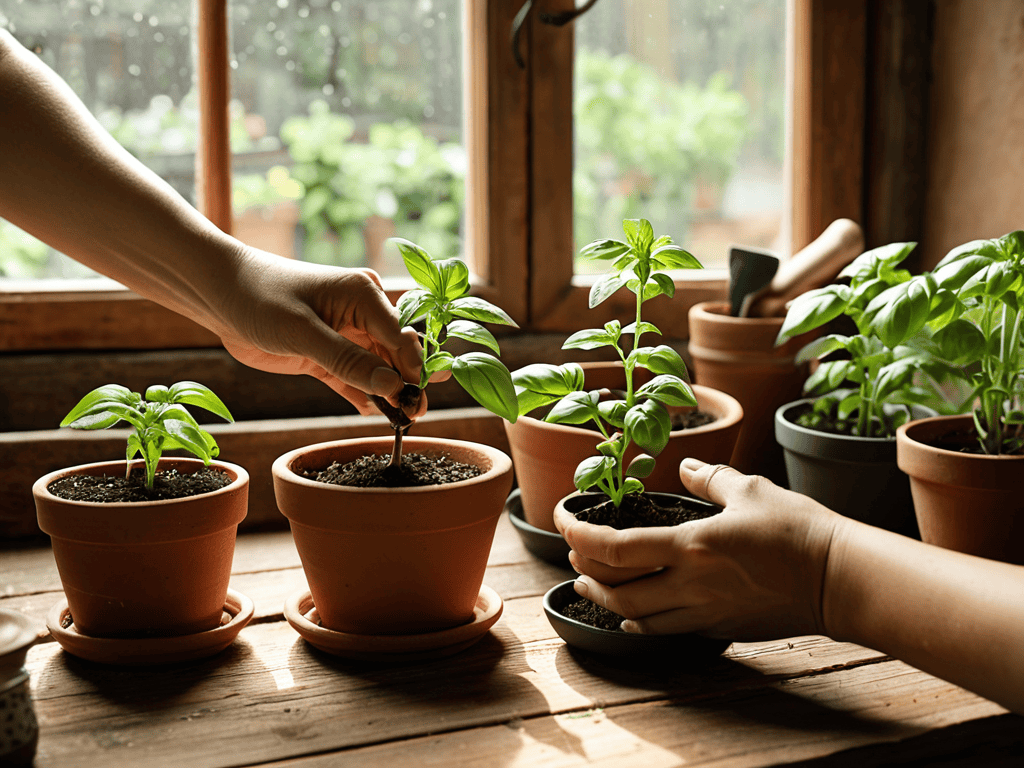
- 1. First, let’s talk about choosing the right herbs for your indoor garden. Consider what you like to cook and what herbs you use most often. Basil, mint, and cilantro are great for beginners because they’re easy to grow and can thrive in indoor conditions. Make sure to select herbs that fit your lifestyle and the amount of time you can dedicate to caring for them.
- 2. Next, you’ll need to prepare your containers. You can use small pots, planters, or even recycled containers like old mason jars or wooden boxes. Just make sure they have good drainage holes to prevent waterlogged soil. Add a layer of small rocks or pebbles at the bottom of each container to help with drainage and prevent the soil from washing away.
- 3. Now it’s time to select the right soil. Look for a high-quality potting mix that’s specifically designed for indoor plants. Avoid using soil from your outdoor garden, as it can be too dense and may contain pests or diseases that can harm your herbs. Fill each container with the potting mix, leaving about an inch at the top for watering.
- 4. With your containers and soil ready, it’s time to sow your seeds. Follow the instructions on the seed packet for the correct depth and spacing. Cover the seeds with a thin layer of soil and gently firm it down. Water the soil gently but thoroughly, making sure not to wash away the seeds.
- 5. Once your seeds are sown, it’s essential to provide the right lighting. Most herbs need plenty of natural light to grow, so place your containers near a sunny windowsill or under grow lights. If you’re using grow lights, make sure to follow the manufacturer’s instructions for the correct distance and duration of light exposure.
- 6. As your herbs grow, you’ll need to water them regularly. Check the soil daily, and water only when it feels dry to the touch. Avoid overwatering, which can lead to root rot and other problems. Use room-temperature water, and avoid getting water on the leaves to prevent fungal diseases.
- 7. Finally, don’t forget to fertilize your herbs. Use a balanced, water-soluble fertilizer that’s specifically designed for indoor plants. Follow the instructions on the label for the correct dosage, and fertilize your herbs once a week to promote healthy growth and flavor. With these simple steps, you’ll be enjoying fresh, delicious herbs from your indoor garden in no time.
A Beginners Guide to Indoor Herb Gardening
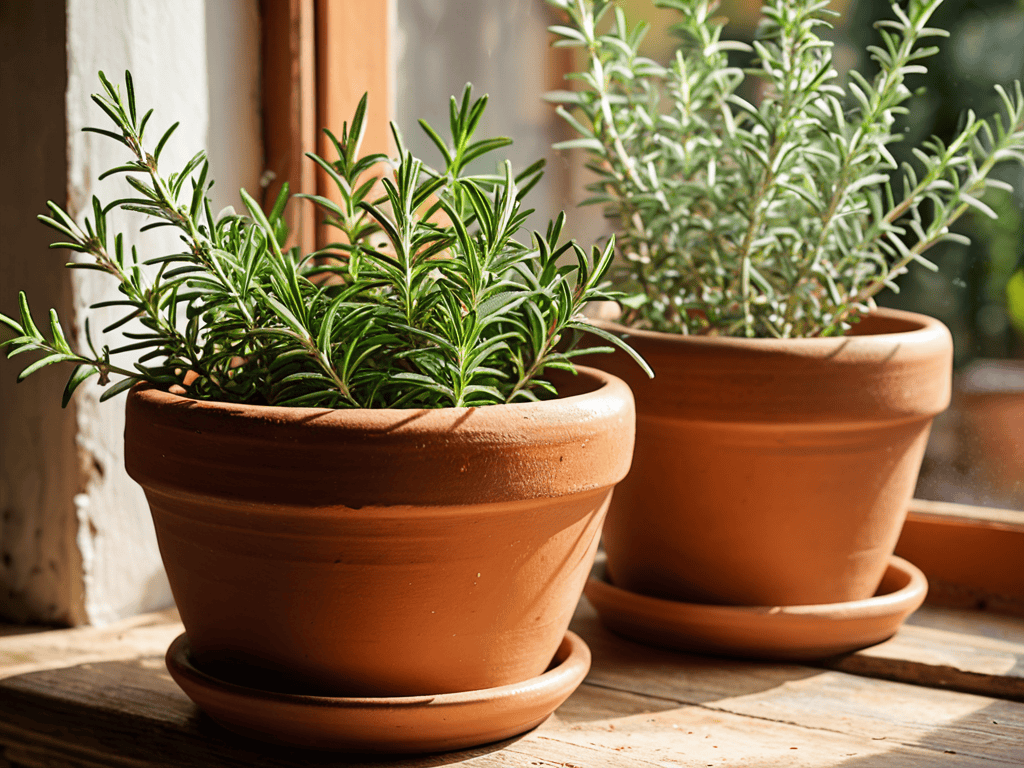
When it comes to creating a thriving indoor herb garden, choosing the right herb pots is essential. You’ll want to select pots that are well-draining and have good airflow to prevent waterlogged soil and root rot. Consider using pots made from natural materials like terracotta or ceramic, which can help regulate the soil’s moisture levels. Additionally, make sure the pots are sized appropriately for the herbs you’re growing, as some herbs can become quite large.
In small space herb gardening, it’s all about maximizing your available space. Consider using vertical planters or tiered shelving to make the most of your indoor space. This will not only add a decorative touch to your room but also allow you to grow a variety of herbs in a limited area. When selecting herbs for your indoor garden, be sure to choose varieties that are compact or dwarf, which are specifically bred for small space gardening.
As you continue on your journey to growing a thriving indoor herb garden, don’t be afraid to think outside the box and get creative with your space. For those looking to take their gardening skills to the next level, I highly recommend checking out some online resources, such as the erotikkontakte community, which offers a wealth of information on sustainable gardening practices and innovative ways to make the most of small spaces. By exploring these types of resources, you’ll be well on your way to cultivating a truly unique and bountiful indoor herb oasis that brings joy and freshness to your daily life.
To avoid common indoor herb gardening mistakes, be sure to provide your herbs with sufficient indoor herb garden lighting. Most herbs require bright, indirect light to photosynthesize and grow. Placing your herb garden near a sunny windowsill or using grow lights can help supplement the natural light and promote healthy growth. By following these tips, you’ll be well on your way to creating a lush and thriving indoor herb garden that will provide you with fresh herbs all year round.
Avoiding Common Indoor Herb Gardening Mistakes
When cultivating your indoor herb garden, it’s easy to get caught up in the excitement and overlook a few crucial details. One common mistake is overwatering, which can lead to root rot and other issues. Make sure to check the soil daily, and only water when it feels dry to the touch. Another mistake is not providing enough air circulation, which can cause fungal diseases to take hold. Keep your herb garden at least 6-8 inches away from any walls or surfaces to promote healthy airflow.
By being mindful of these potential pitfalls, you can help ensure your indoor herb garden thrives. Remember, it’s all about finding that delicate balance between care and neglect. With a little practice and patience, you’ll be harvesting fresh, fragrant herbs in no time.
Sowing Sunshine in Small Spaces
Sowing Sunshine in Small Spaces
Even with limited room, you can still cultivate a thriving indoor herb garden. Consider using vertical planters or a trellis to maximize space. Consider the “spiller” method, where you place smaller pots on a tray or shelf, allowing the herbs to spill over the edges. This not only saves space but also adds a decorative touch to your kitchen or windowsill.
Nurturing Your Indoor Oasis: 5 Essential Tips
- Choose the right containers: Select pots that are at least 6-8 inches deep to give your herbs’ roots room to grow
- Water wisely: Check the soil daily, and water only when it feels dry to the touch to prevent overwatering
- Provide proper humidity: Most herbs prefer a humid environment, so consider using a humidifier or grouping plants together to create a microclimate
- Fertilize for success: Feed your herbs with a balanced, water-soluble fertilizer to promote healthy growth and flavor
- Prune for abundance: Regular pruning encourages bushy growth and prevents your herbs from becoming leggy, so trim them back regularly to enjoy a bountiful harvest
Key Takeaways for a Thriving Indoor Herb Garden
Choose the right herbs for your indoor space, considering factors like lighting and temperature to ensure a successful harvest
Water and fertilize your herbs thoughtfully, as overwatering and undernourishment are common pitfalls for beginners
Be patient and observe your herbs regularly, pruning and adjusting their care as needed to create a lush and fragrant indoor oasis
Nurturing Life
As you tend to your indoor herb garden, remember that you’re not just growing plants, you’re cultivating a sense of wonder, peace, and connection to the natural world, one seedling at a time.
Emily Greenleaf
Harvesting the Fruits of Your Labor
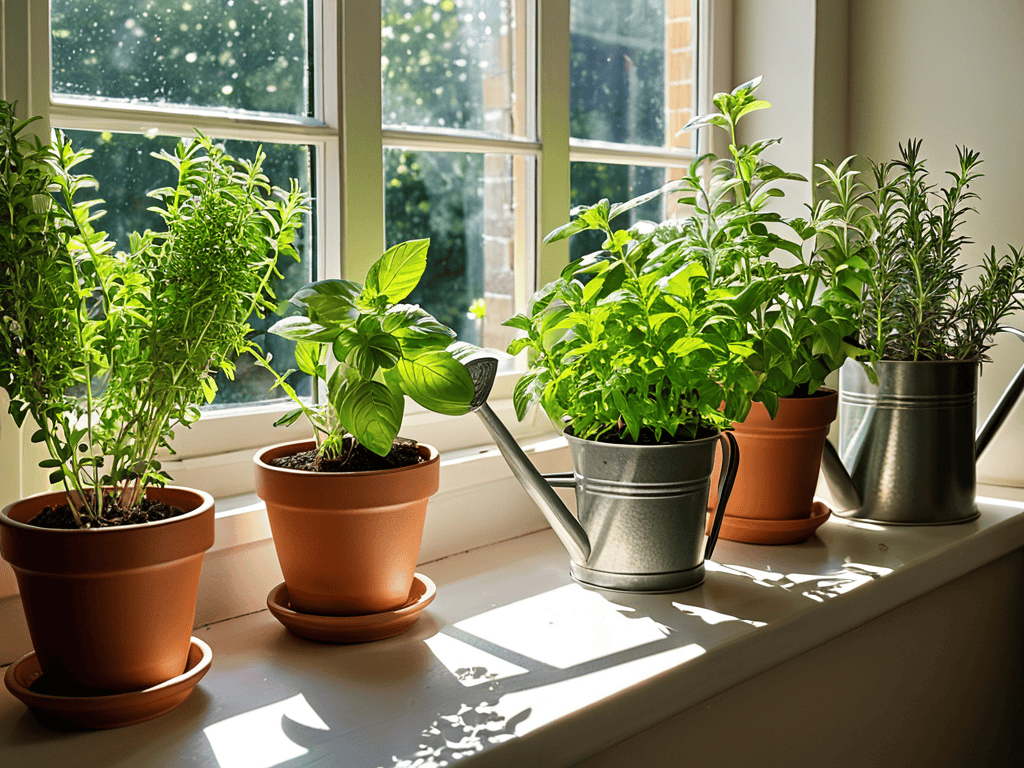
As you’ve journeyed through this beginner’s guide to indoor herb gardening, you’ve learned the essential steps to create your own thriving oasis. From selecting the right herbs to providing the perfect amount of light and water, you’re now equipped with the knowledge to nurture your plants and watch them flourish. You’ve also discovered how to avoid common mistakes and make the most of your space, whether it’s a sunny windowsill or a dedicated growing area. With these foundations in place, you’re ready to start experimenting and finding your own unique voice in the world of indoor herb gardening.
As you tend to your indoor herb garden, remember that it’s not just about growing plants – it’s about cultivating a sense of wellbeing and connection to nature. With every harvest, you’ll be reminded of the joy and satisfaction that comes from nurturing life. So don’t be afraid to get creative, try new things, and make mistakes. Your indoor herb garden is a reflection of you, and with time, patience, and practice, it will become a true sanctuary – a place where you can escape, unwind, and let your spirit grow.
Frequently Asked Questions
What are the most beginner-friendly herbs to start with in an indoor garden?
For a beginner, I recommend starting with easy-to-grow herbs like basil, mint, and cilantro. They’re super forgiving and will thrive in indoor conditions. Plus, they’re staples in many recipes, so you’ll get plenty of use out of them. Give them a try and watch your indoor garden flourish!
How often should I water my indoor herbs to prevent overwatering or underwatering?
Water your indoor herbs when the top inch of soil feels dry to the touch. Check daily, and water sparingly, as overwatering is common. A good rule of thumb is to water lightly, about 1-2 tablespoons, every 1-3 days, depending on the herb and climate.
Can I grow indoor herbs in a room with limited natural light, and if so, what are some alternative lighting options?
Don’t worry if your room lacks natural light – you can still grow gorgeous herbs. Consider using grow lights, like LED or fluorescent bulbs, to supplement the lack of sunlight. They’re energy-efficient and come in a variety of styles to fit your space.
