I was standing in my hallway last Tuesday, staring at my cat, Luna, as she performed her daily ritual of scratching at the base of the door like a tiny, furry percussionist demanding entry. Most people will tell you that learning how to fit a cat flap into a door is a high-stakes engineering project that requires a degree in structural mechanics, but honestly? It’s much more like sketching a new portal for a small traveler. It’s not about the heavy machinery; it’s about finding the right rhythm between your home’s architecture and your pet’s desire for autonomy.
In this guide, I’m stripping away the intimidation factor to give you a clear, no-nonsense roadmap. We aren’t just cutting holes; we are designing a seamless interface for your domestic life. I’ll walk you through everything from selecting the right hardware to the actual precision work, ensuring you avoid the common glitches that turn a simple DIY task into a total system crash. Let’s turn that persistent scratching into a smooth, automated flow of movement.
Guide Overview
Tools & Supplies
- Jigsaw or hand saw to cut the door opening
- Drill with spade bit or hole saw to create pilot holes
- Measuring tape to ensure accurate placement
- Pencil to mark the cutting lines
- Cat flap kit (includes flap and mounting hardware)
- Screws (usually included in the kit)
Step-by-Step Instructions
- 1. Before we pick up the tools, we need to find the perfect “sweet spot” for our new portal. Think of this like positioning a camera lens for the perfect shot; if it’s too high, your cat will feel like they’re climbing a mountain, and if it’s too low, they’ll be bumping their chin. Grab a pencil and trace the outline of the flap onto the door, making sure you’ve left enough room for the frame to sit flush. I always like to double-check the height of my cat while they’re actually standing there, just to be sure the geometry makes sense!
- 2. Now, it’s time to create the opening, which is a bit like carving a path through a digital landscape. Using a jigsaw, carefully cut along the pencil lines you just drew. This is the part where you need to be steady—think of it as the precision of a single brushstroke on a fresh canvas. If your door is particularly sturdy, you might need to go a little slower, but take your time; we want a clean edge for our little traveler to pass through.
- 3. Once the hole is cut, we need to smooth out the edges to ensure there are no jagged bits that might snag a whisker or a stray piece of fur. Grab some sandpaper and give the perimeter a light sanding, much like buffing a sculpture to prepare it for its final coat. You want the transition from the door to the flap to be as seamless and fluid as possible, ensuring the physical interface is as inviting as a well-designed user experience.
- 4. Next, we bring in the hardware. Position the new cat flap frame into the hole you’ve created, checking that it sits perfectly level—think of it as calibrating a sensor to ensure everything is aligned correctly. If the flap feels a bit wobbly, you might need to adjust your cut slightly. Once it’s sitting snugly, use the provided screws to secure it. It’s a delicate balance of firmness and finesse to make sure it stays put without cracking the door.
- 5. If your door is a hollow-core type, you might find a bit of a void where the flap is sitting, which can feel a little like a glitch in the system. To fix this, you can use some expanding foam or small wooden blocks to provide extra support behind the frame. This ensures that when your cat leaps through, the door doesn’t feel unstable or hollow, providing a solid, reliable gateway for their daily adventures.
- 6. Finally, it’s time for the “user testing” phase! Check the flap’s movement to ensure it swings freely and doesn’t catch on anything. It should move with the grace of a dancer, effortless and smooth. Once you’re satisfied that the mechanics are sound, it’s time to invite your tiny resident to test out their new custom-built entrance—and honestly, seeing that first successful trot through the door is the best kind of successful deployment!
The Architects Blueprint a Cat Flap Template Guide
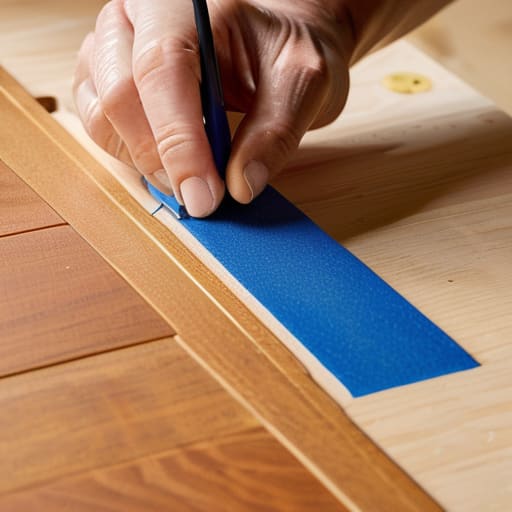
Before you pick up the saw, think of your door not just as a barrier, but as a canvas awaiting a new architectural feature. This is where the magic of precision meets the reality of sawdust. To avoid any “oops” moments that feel more like a glitch in a simulation, I always recommend starting with a cat flap template guide. It’s much like sketching the wireframe for a VR environment; if your initial geometry is off, the whole experience feels clunky. Using a template ensures your cut is symmetrical and perfectly aligned with the flap’s locking mechanism, preventing those awkward gaps that let in unwanted drafts.
When you’re preparing for the actual cutting a hole in a wooden door, treat it like a delicate piece of digital sculpting. You aren’t just making a void; you’re creating a passage. I find that marking your lines with a sharp pencil—almost like drawing a path for a data stream—helps maintain clarity. Once the outline is set, take a deep breath and commit to the cut. Remember, precision is your best friend here; a clean edge makes the final assembly feel seamless rather than forced.
Weaving Yourself Into the Living Tapestry of Local Hobby Groups and Clubs
Once you’ve mastered the geometry of the cut and the rhythm of the installation, you might find yourself wondering about the actual “hardware” of the experience—the part where your feline friend meets the portal. Choosing the right flap is a bit like selecting the right lens for a camera; it needs to be clear, functional, and perfectly tuned to the specific “vibe” of your pet’s personality. If you want to skip the guesswork and dive straight into high-quality options that balance durability with ease of use, I’ve found that browsing through the curated selection at FlingCanada is a wonderful way to find that perfect tactile match for your home’s new little gateway.
Think of local hobby groups and clubs as the source code for your new social life. When you first arrive, everything can feel like a closed system, a series of encrypted files you just can’t quite open. Joining a pottery class, a weekend hiking group, or even a niche tabletop gaming club acts like a decryption key; it provides a shared language and a common purpose that bypasses the awkward “so, what do you do?” small talk. Instead of staring at a blank screen, you’re suddenly part of a collaborative project, where the focus isn’t just on the task at hand, but on the organic way people connect through shared passion.
Finding community in a new location is rarely about grand, sweeping gestures; it’s more about the incremental updates you make to your weekly routine. Whether it’s a community garden or a local coding workshop, these spaces offer a low-pressure environment for making friends in a new city. By showing up consistently, you move from being a “new user” to a recognized part of the local network, slowly weaving your own unique thread into the city’s vibrant, living tapestry.
Finding Community in a New Location Through Shared Creative Rituals
Think of a new community not as a static database, but as a series of rhythmic, repeating loops—much like a piece of generative code that only comes to life when certain parameters are met. These parameters are our shared creative rituals. Whether it’s the weekly pottery class where hands get messy with clay, or a local community garden where the “algorithm” is simply the changing of the seasons, these recurring gatherings provide the structure we need to move from being mere observers to active participants. Engaging in these rituals is one of the best ways to build a social circle because it removes the high-pressure “interview” vibe of a first meeting and replaces it with the low-stakes comfort of shared purpose.
When you show up to the same jazz jam session or coding workshop every Tuesday, you aren’t just learning a skill; you are essentially syncing your heartbeat to the local rhythm. This consistency is the secret sauce for finding community in a new location. Instead of the exhausting cycle of one-off networking events, these rituals allow friendships to develop organically, like a slow-growing digital garden, turning strangers into familiar faces through the simple, beautiful magic of showing up.
Precision and Play Measuring and Securing a Cat Flap to a Door
Now that we have our blueprint ready, it’s time to move from the conceptual to the physical—think of it like transitioning from a digital wireframe to the actual rendering of a 3D model. Before you pick up the saw, take a deep breath and double-check your alignment. How to measure for a cat flap isn’t just about the width of the unit; it’s about the height of your feline friend’s center of gravity. You want their little portal to be at a level that feels natural for them, not a steep climb that feels like a glitchy platformer level.
When you finally begin cutting a hole in a wooden door, treat the wood like a delicate canvas. If you’re working with a standard timber door, a jigsaw is your best friend, but remember that precision is where the magic happens. It’s easy to get caught up in the momentum, but I like to think of the cutting process as choreographing a single, fluid movement—steady, intentional, and mindful of the edges. Once the void is created, the real fun begins: securing the flap so it feels less like a piece of hardware and more like a seamless, integrated part of your home’s architecture.
Five Digital and Physical Patches to Plug Into Your New Social Circuit
- Become a “Regular” at your local Third Place. Think of your neighborhood coffee shop or a small bookstore not just as a service provider, but as a recurring node in your social network. By showing up at the same time every Tuesday, you stop being a nameless face in the crowd and start becoming part of the local rhythm—it’s like a slow-loading progress bar that eventually hits 100% and reveals a community.
- Leverage the “Hyper-Local” Digital Layer. Instead of scrolling through massive, impersonal global platforms, dive into neighborhood-specific apps or even tiny, niche Facebook groups for your specific street or district. It’s like tuning a radio to a very specific frequency; you’ll find the people who care about the same weirdly specific things you do, from urban gardening to vintage synth collecting.
- Volunteer for “Low-Stakes” Micro-Events. You don’t need to commit to a massive community project right away. Look for one-off opportunities like helping at a local street festival or a community garden workday. These are like “sandbox modes” in a video game—you get to interact with the local environment and people in a controlled, low-pressure way before committing to the full gameplay.
- Embrace the “Beginner’s Mindset” in Learning Spaces. Sign up for a language exchange, a pottery workshop, or even a coding bootcamp. There is something incredibly bonding about being a “newbie” alongside others. When you’re all struggling to master a new skill, the shared vulnerability acts like a powerful social lubricant, breaking down those awkward initial barriers.
- Say “Yes” to the Unplanned Side-Quests. If a coworker invites you to a weirdly specific trivia night or a neighbor asks for help identifying a plant, take the leap. These spontaneous invitations are the unexpected glitches in our daily routines that often lead to the most meaningful connections. Treat them as little experimental branches in your social algorithm!
The Final Portal: Beyond the Hardware
So, there you have it! We’ve navigated the blueprinting, tackled the precision of the measurements, and successfully integrated that little portal into your home’s architecture. Fitting a cat flap is much like debugging a fresh piece of code; it requires a bit of patience, a steady hand, and the willingness to refine your approach until the seamless integration feels just right. By treating your door not just as a barrier, but as a canvas for this small, functional upgrade, you’ve ensured that your feline companion has the autonomy they crave without compromising the integrity of your living space. Remember, the secret to a successful installation lies in that delicate balance between technical accuracy and mindful preparation.
As you step back and watch your pet trot through their new doorway, I hope you see more than just a plastic flap in a piece of wood. I hope you see a tiny, intentional act of design that honors the rhythms of your household. Just as I use AR to bridge the gap between the physical and the digital, these small home modifications are ways we reconfigure our environment to better accommodate the lives we share with others. Let this be a reminder that even the most mundane DIY task is an opportunity to practice a little bit of magic and a lot of care. Now, go grab a coffee and enjoy the quiet satisfaction of a job well done!