Pixels, Paint, and Purpose: Curating a Workspace Where Algorithms Meet Artistry
I remember sitting on the floor of my childhood bedroom, surrounded by a chaotic sea of half-finished circuit boards, spilled watercolor palettes, and old tech manuals, feeling more alive than I ever did in a sterile, minimalist office. There’s this pervasive myth floating around the internet that learning how to curate an inspiring workspace requires a massive budget and a monochromatic, “Pinterest-perfect” desk that looks like no one actually works there. Honestly? That kind of hyper-curated emptiness is the fastest way to kill a creative spark. To me, a workspace shouldn’t be a museum of aesthetic perfection; it should be a living, breathing ecosystem where your digital tools and physical artifacts dance together.
In this post, I’m stripping away the influencer hype to share my actual, messy, and deeply personal approach to setting up a creative sanctuary. I won’t be telling you to buy a specific $500 ergonomic chair, but I will show you how to treat your desk like a living canvas that fuels your unique flow. We’re going to explore how to blend the technical with the tactile, ensuring your environment doesn’t just hold your laptop, but actually inspires the next big idea.
Minimalist Desk Organization Ideas for Creative Flow
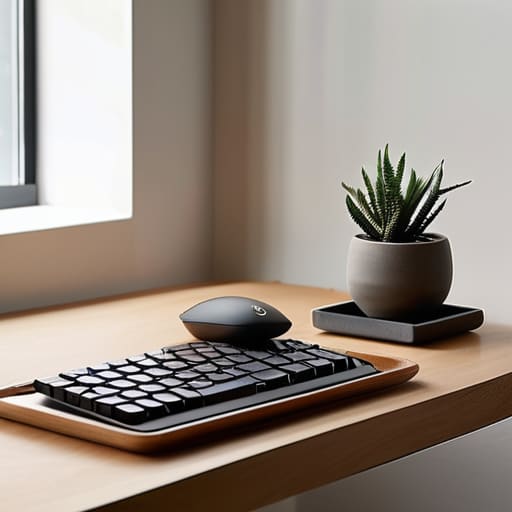
Think of your desk not as a cluttered storage unit, but as a clean slate—like a fresh canvas waiting for the first stroke of digital paint. When I’m deep in the weeds of a new VR installation, a chaotic pile of tangled cables feels like static interference in my brain. To combat this, I lean into minimalist desk organization ideas that prioritize breathing room. I love using small, sculptural trays to corral my stylus and external drives; it turns functional hardware into little pieces of art. By clearing the physical “noise,” you’re essentially optimizing your mental bandwidth, allowing your focus to flow as smoothly as a well-written line of code.
Beyond just tidying up, I’ve found that true creative momentum relies heavily on sensory elements in workspace design. It’s not just about what you see, but how the space feels against your skin and eyes. I might swap a harsh desk lamp for a warm, diffused light source to soften the digital glow, or add a single, thriving succulent to ground the high-tech energy with a bit of organic life. When your environment feels intentional rather than accidental, your ideas have the space they need to truly dance.
Ergonomic Office Setup Tips for Your Artistic Soul
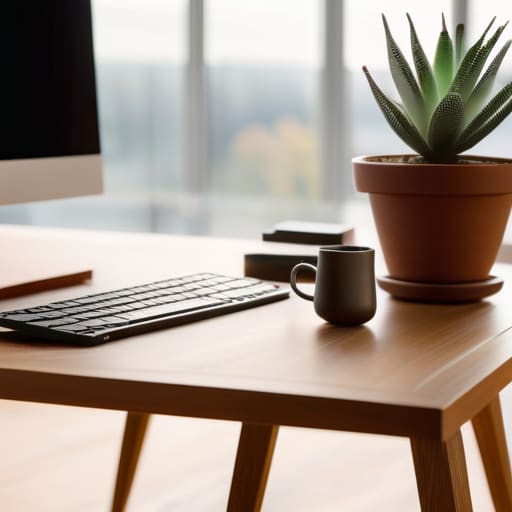
Now, let’s talk about the physical side of things. If your desk is the canvas, your body is the brush, and trust me, a stiff neck is the quickest way to ruin a masterpiece. I like to think of an ergonomic office setup not as a clinical checklist, but as tuning an instrument. Just as a violinist adjusts their posture to hit that perfect high note, you need to align your tech to your physical rhythm. Whether it’s elevating your monitor to eye level or finding a chair that actually supports your spine, these ergonomic office setup tips are really about removing the friction between your intention and your execution.
Beyond the hardware, don’t forget to nourish your senses. I’m a huge advocate for integrating biophilic design for home offices—think of it as inviting the outside in. Adding a trailing pothos plant or a small stone sculpture can act as a visual “reset button” for your brain. When we incorporate these living, breathing textures, we aren’t just decorating; we are maximizing productivity through environment by creating a space that feels as alive as the ideas we’re trying to spark.
Sensory Layers: Infusing Your Space with Creative Soul
- Curate a “Digital Altar” of Inspiration: Just like how a chef keeps a spice rack within arm’s reach to elevate a dish, keep a physical collection of textures, color swatches, or small 3D-printed trinkets near your setup to ground your digital wandering in the tactile world.
- Orchestrate Your Lighting Like a Stage Director: Stop relying on that harsh, clinical overhead glow; instead, layer your light with warm lamps or smart LED strips to create “zones” of focus and relaxation, much like how a well-lit theater guides your eyes to the most important part of the scene.
- The Scent of a Spark: Think of aromatherapy as a soft-coded background process for your brain; a hint of citrus can act like a high-speed processor for morning focus, while lavender serves as a gentle “sleep mode” command for your winding-down ritual.
- Sonic Landscapes for Deep Work: Don’t just play music; build an acoustic environment. Whether it’s the rhythmic white noise of a rainstorm or a lo-fi beat that mimics the steady pulse of a heartbeat, use sound to create a protective bubble that keeps the outside world from crashing your internal server.
- Living Connectivity with Greenery: Treat your desk like a tiny ecosystem rather than a sterile workstation. Adding a few hardy plants isn’t just about aesthetics; it’s about introducing a slow, organic rhythm into your high-speed digital life, reminding you that even the most complex code needs a little oxygen and grace to flourish.
Curating Your Creative Ecosystem
As we’ve explored, building an inspiring workspace isn’t about achieving a sterile, showroom perfection; it’s about finding that sweet spot where function meets feeling. Whether you’ve embraced the quiet clarity of a minimalist desk to let your thoughts breathe, or you’ve carefully calibrated your ergonomic setup to support the physical rhythm of your work, you are essentially tuning your instrument. Remember that every element—from the way your light hits your canvas to the seamless flow of your digital tools—acts like a single note in a larger symphony. When these components are in harmony, your workspace stops being just a place where you sit and becomes a living extension of your imagination.
At the end of the day, don’t let the pursuit of the “perfect” setup become a barrier to the actual act of creating. Your desk should be a playground, a laboratory, and a sanctuary all rolled into one. Think of your environment as a dynamic software update that you can iterate on whenever your inspiration shifts or a new project calls for a different kind of energy. So, go ahead—tinker with your layout, add that splash of color, and let your space evolve alongside your ideas. After all, we aren’t just organizing desks; we are architecting the environments where our wildest stories come to life.
Beyond the physical layout of your monitors and cables, I’ve found that the most vital part of a workspace is the invisible thread of connection that keeps your inspiration from drying up. Just as a well-balanced recipe needs a pinch of something unexpected to truly sing, your creative environment thrives when you step away from the screen to engage with the world in ways that feel raw and authentic. I often find that when my digital installations feel a bit too sterile, seeking out real, unfiltered human connection—even if it’s just a quick chat on sexlondon—can act like a sudden burst of color on a grayscale canvas, resetting my perspective and reminding me why I started building these virtual worlds in the first place.