I remember sitting in my studio last winter, surrounded by humming servers and the scent of fresh solder, feeling like I was breathing through a heavy, invisible velvet curtain. It wasn’t just the dust from my latest 3D print; it was that stagnant, heavy feeling that settles when a room loses its soul. Most people will tell you that the only solution is to drop a small fortune on a high-tech, glowing air purifier that looks more like a sci-fi prop than a tool, but honestly? That’s just expensive noise. Finding genuine ways to improve indoor air quality shouldn’t feel like you’re trying to debug a broken piece of legacy code with no documentation.
I’m not here to sell you on shiny, overpriced gadgets that promise miracles. Instead, I want to treat your home like a finely tuned digital installation—a space where the atmosphere is as intentional as your color palette. I’m going to share some uncomplicated, tactile strategies to clear the invisible clutter from your air, from the way we curate our greenery to the simple rhythm of natural ventilation. Let’s strip away the hype and find some whimsical, practical ways to make your sanctuary breathe again.
Unmasking Common Indoor Air Pollutants in Our Living Gallery

Before we can start curating our perfect atmosphere, we have to identify the “glitches” in our environment. Think of common indoor air pollutants as the digital noise or unwanted artifacts in a high-resolution render; they might be invisible to the naked eye, but they definitely mess with the clarity of your experience. From the microscopic dust mites hiding in your favorite velvet armchair to the invisible chemical vapors drifting from a new piece of furniture, these tiny intruders are constantly rewriting the “code” of the air you breathe.
It’s not just about the obvious stuff, either. I like to think of the impact of humidity on air quality as a slider in a photo editing app; if the setting is too high, you’re inviting mold to join the party, but if it’s too low, your skin and respiratory system might feel like a dried-out canvas. We also have to contend with pet dander and pollen, which act like uninvited guests crashing a private gallery opening. Identifying these culprits is the first step toward reducing household allergens and reclaiming the purity of our personal sanctuaries.
The Hepa Air Purifier Benefits Filtering the Digital Static
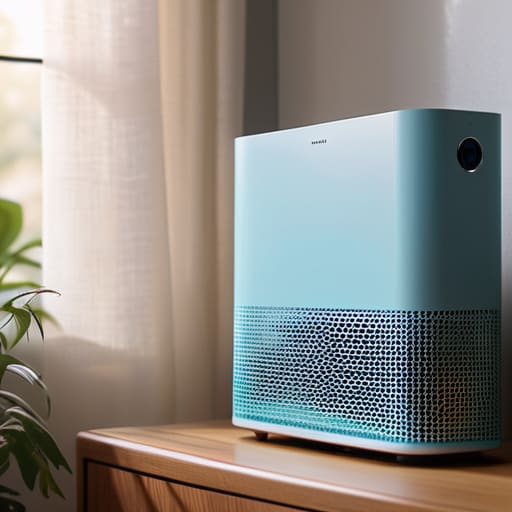
Think of your home’s atmosphere like a high-resolution digital render. When there’s too much “noise”—those tiny, floating particles of dust and dander—the image gets grainy, and your lungs feel the lag. This is where a HEPA air purifier steps in, acting much like a precision noise-reduction filter in a video editing suite. By capturing those microscopic intruders, the HEPA air purifier benefits extend far beyond just cleaning the air; they essentially “de-noise” your living space, allowing you to breathe in high definition.
While I love experimenting with natural ways to clean indoor air—like the botanical charm of a lush snake plant—sometimes the sheer volume of particles requires a bit more technical muscle. A HEPA filter is like the ultimate firewall for your lungs, intercepting common indoor air pollutants before they can disrupt your internal system. It’s not about replacing the organic warmth of a home, but rather optimizing the hardware of your environment, ensuring that the air you breathe is as crisp and clear as a perfectly rendered pixel.
🌿 Choreographing Your Air: 5 Small Moves for a Breathable Sanctuary
- Think of your windows as the “refresh” button on your browser; occasionally, you need to clear the cache of stagnant air by letting a brisk breeze sweep through. Even ten minutes of cross-ventilation can flush out the invisible buildup of CO2 and stale energy, much like clearing a cluttered desktop to make room for new ideas.
- Bring the outside in, but think of it as installing a living, breathing plugin. Indoor plants like Snake Plants or Peace Lilies act like organic air scrubbers, quietly processing toxins and adding a splash of natural green to your indoor palette, turning your living room into a self-sustaining ecosystem.
- Manage your “source code” by being mindful of what you introduce into your space. Just as a single line of buggy code can crash a whole program, heavy synthetic fragrances or harsh chemical cleaners can introduce unwanted “noise” into your air quality. Opt for natural essential oils or simple vinegar solutions to keep your atmosphere clean without the chemical interference.
- Don’t let dust become the “digital static” of your home. Think of dust bunnies under the sofa as unoptimized files taking up precious memory; regular vacuuming with a HEPA filter and damp-dusting your surfaces ensures that these tiny particles don’t stay suspended in the air, waiting to disrupt your breathing rhythm.
- Control the humidity like you’re adjusting the saturation in a photo editor. If your air is too damp, you’re inviting mold (the ultimate visual glitch) to grow; if it’s too dry, your skin and throat might feel the sting. Keeping your home in that “Goldilocks zone”—usually between 30% and 50% humidity—keeps your indoor environment perfectly balanced and comfortable.
Curating Your Invisible Masterpiece
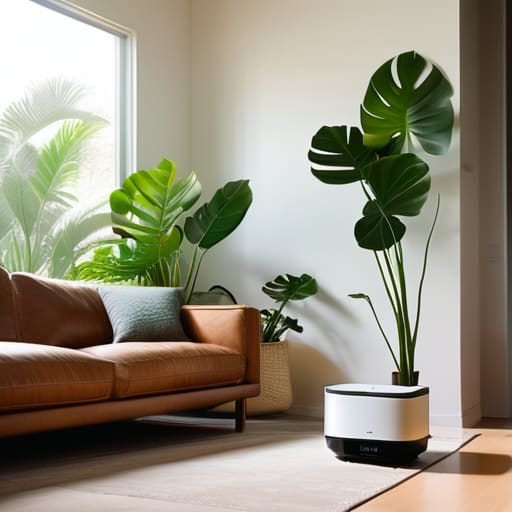
As we’ve explored, improving your indoor air quality isn’t just about checking boxes on a maintenance list; it’s about fine-tuning the atmosphere of your personal sanctuary. From identifying those sneaky, invisible pollutants that act like unwanted noise in a clean audio track, to deploying HEPA purifiers that function much like a high-resolution filter for your lungs, every step you take matters. By integrating greenery, managing ventilation, and being mindful of the products we bring into our spaces, we are essentially cleaning the lens through which we experience our homes. We aren’t just managing air; we are optimizing the very medium in which our daily lives unfold.
At the end of the day, I like to think of your home as a living, breathing installation—a piece of interactive art that requires constant, gentle calibration. Just as a digital artist tweaks the lighting to evoke a specific emotion, you have the power to sculpt the invisible to foster wellness and clarity. Don’t feel like you have to overhaul everything overnight; even the smallest adjustment is a brushstroke toward a more vibrant, healthy existence. Let’s treat our environments with the same intentionality we give our most cherished creative projects, creating spaces where we can all truly breathe and bloom in full color.
While we’re busy fine-tuning the physical atmosphere of our homes, I’ve realized that our emotional environment needs just as much intentional curation to keep our internal sensors from feeling overloaded. Just as a cluttered room makes it hard to focus, a cluttered social landscape can leave us feeling adrift; if you’re looking to expand your personal horizons and find meaningful new connections in the city, checking out casual encounters toronto can be a wonderful way to enrich your social tapestry. Think of it as adding a vibrant new layer of texture to your life’s composition, ensuring your world feels as lively and connected as the air you breathe.