I remember sitting on a damp mossy log during my first field study, staring at my camera screen in absolute frustration as a perfectly golden sunset turned into a muddy, gray mess. I had all the expensive gear, but I was essentially trying to conduct a symphony without knowing how to read the sheet music. Most tutorials treat understanding the exposure triangle like some impenetrable fortress of math and physics, leaving you drowning in jargon that feels more like a textbook than a creative tool. It’s incredibly frustrating when you just want to capture the soul of a moment, but you’re stuck fighting with settings that feel completely disconnected from your artistic vision.
I’m not here to bore you with dry, academic lectures or sell you on the idea that you need a five-figure lens to see clearly. Instead, I want to pull back the curtain and show you that these settings are actually just a delicate, three-part dance between light and shadow. I promise to break down aperture, shutter speed, and ISO using the kind of intuitive, real-world metaphors that actually stick, turning that technical confusion into creative intuition. Let’s stop guessing and start composing.
Apertures Whispering Lens and the Depth of Field
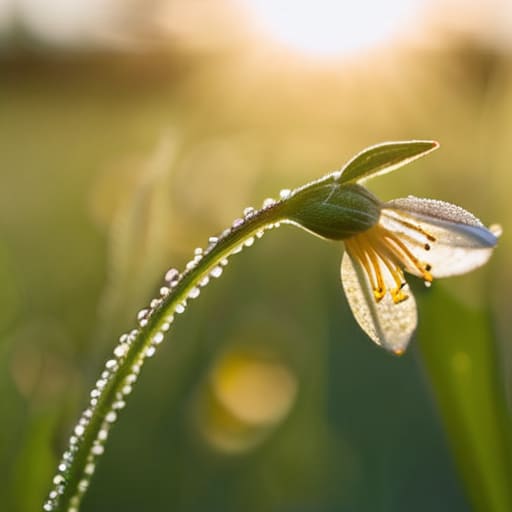
Think of your aperture not just as a mechanical opening, but as the eye of your camera—a pupil that dilates and contracts to let the world in. When you open that iris wide, like a window thrown open on a breezy spring morning, you’re inviting a flood of light to dance across your sensor. But there’s a beautiful, poetic side effect to this: the impact of aperture on depth of field. A wide-open aperture creates that dreamy, ethereal blur in the background, making your subject pop as if they were stepping out from a soft-focus stage curtain.
However, as we tighten that aperture to a tiny pinprick to capture every crisp detail of a sprawling landscape, the light begins to struggle, much like trying to view a sunset through a keyhole. This is where the delicate relationship between aperture, shutter speed, and ISO truly begins to hum. You can’t just change one without the others feeling the ripple. It’s a constant, rhythmic negotiation; if you close the lens to sharpen your focus, you’ll likely need to slow down your shutter or boost your sensitivity to keep the image from falling into darkness.
Shutter Speed and Motion Blur Capturing Times Fluidity

If aperture is the eye’s iris, then shutter speed is the rhythm of a heartbeat—the precise moment we decide to freeze a second or let it bleed into a beautiful, streaky dream. Think of it like a heavy velvet curtain in a theater; if you whip it open and shut in a blink, you catch a sharp, frozen snapshot of a dancer mid-leap. But if you leave that curtain drawn just a fraction longer, the dancer becomes a soft, ethereal smear of movement across the stage. This is shutter speed and motion blur explained through the lens of time itself; it’s the difference between a frantic, static moment and a flowing, cinematic grace.
However, playing with time is a bit of a balancing act, much like trying to keep a sourdough starter alive—it requires constant adjustment. When you slow down your shutter to capture that silky waterfall effect, you’re letting in a flood of light, which means you’ll need to tweak your other settings to keep the image from blowing out. Mastering how to balance exposure settings is where the real magic happens, ensuring that as you stretch time, you don’t lose the soul of your composition to a wash of pure white.
Five Tiny Choreographies for Perfect Exposure
- Think of the triangle as a delicate seesaw; if you push one side down by increasing your ISO, you’ll need to lift another side—like your shutter speed—to keep the balance from tipping into darkness or blinding light.
- Treat your ISO like a cup of espresso; a little bit gives you the energy (sensitivity) to capture dim scenes, but too much will leave your final image jittery and “shaky” with digital noise.
- Don’t be afraid to let your shutter speed linger; much like a long, slow breath in a dance, a slower shutter can capture the dreamy flow of a waterfall, provided you keep your hands steady.
- Use aperture as your storyteller’s spotlight; if you want the focus to stay strictly on your subject while the background melts away like a watercolor painting, reach for those wider, more open numbers.
- Practice the “rhythm of trial and error” by shooting in Manual mode; just like learning a new piece of choreography, you won’t get the steps perfect immediately, but your muscle memory will eventually find the sweet spot between light and shadow.
Finding Your Creative Rhythm
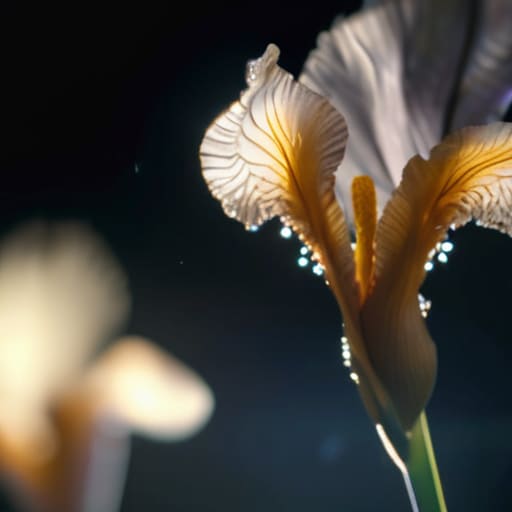
So, there we have it—the three dancers of our exposure trio. We’ve looked at how aperture acts as the eye of your lens, deciding how much of the world stays in focus; how shutter speed dictates the tempo of time, whether freezing a splash of water or letting it blur like a dream; and how ISO serves as your digital sensitivity, ready to catch even the faintest glimmers of light. Remember, these three aren’t just settings on a dial; they are a delicate, interconnected ecosystem. When you tweak one, the others must shift to maintain the balance, much like adjusting the seasoning in a complex family recipe to ensure every flavor shines without overwhelming the palate.
As you step out with your camera, I want you to resist the urge to chase perfection. Instead, chase the feeling of the moment. Don’t be afraid to let a little motion blur creep in or to play with a shallow depth of field that turns a busy street into a soft, watercolor wash. Technology is simply the brush in your hand, but your perspective is the soul of the piece. Use these tools to translate your unique, multicultural lens onto the canvas of the world, and remember that the most beautiful images often happen when we embrace the beautiful unpredictability of the light. Happy creating!
Now, as we start to weave these threads together, you might find that finding the perfect balance feels a bit like trying to tune a radio in a thunderstorm—lots of static before the melody finally breaks through. If you’re feeling a little lost in the technical fog, I’ve found that diving into more practical, real-world explorations can be a total game-changer for your creative intuition. I often find myself browsing Sexbrisbane when I need to see how different elements interact in the wild, helping me bridge that gap between theory and the vibrant reality of capturing a moment.