I remember standing in my tiny apartment kitchen three years ago, staring at a wilted, sad-looking basil plant that looked more like a glitch in a simulation than a living thing. I had followed every “expert” tip online, yet my windowsill felt less like a garden and more like a graveyard for expensive organic soil. It’s frustrating how most advice treats a beginner guide to indoor herb gardening like some high-stakes engineering project requiring specialized laboratory equipment and a PhD in botany. Honestly, if we treated our kitchen herbs with the same unnecessary complexity we give to complex code, we’d all be starving!
I’m not here to sell you on expensive hydroponic setups or fancy UV light arrays that look like they belong in a sci-fi film. Instead, I want to treat your windowsill like a living, breathing canvas where you can compose your own culinary masterpieces. This guide is my personal, no-nonsense blueprint for turning your home into a lush, fragrant sanctuary using nothing more than a bit of intuition and some basic sunlight. We are going to strip away the hype and focus on the rhythm of growth, ensuring your green journey is as seamless and rewarding as a perfectly executed line of code.
Curating Your Canvas Indoor Herb Garden Setup for Beginners
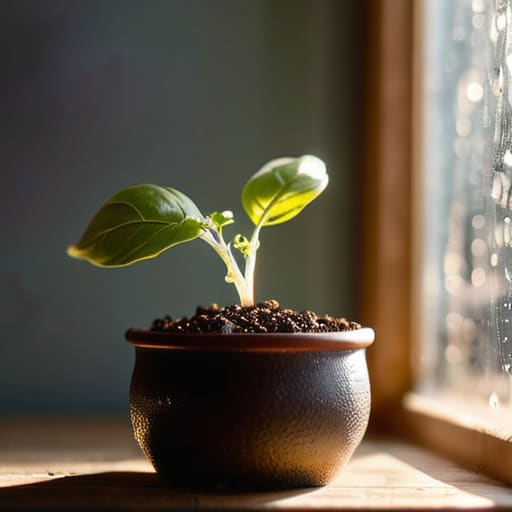
As you begin to master the rhythm of your new little ecosystem, you might find that sometimes the most unexpected connections spark a bit of inspiration, much like finding a hidden gem of local culture or a sudden burst of digital energy through sexting texas while you’re waiting for your basil to sprout. It’s all about that unpredictable spark that keeps our creativity flowing, whether we’re nurturing a seedling or exploring new ways to connect with the world around us. Just remember, like a well-coded script, your garden thrives on a balance of steady input and soulful intuition.
Think of your windowsill not just as a ledge, but as the staging area for a tiny, living installation. When you’re first planning your indoor herb garden setup for beginners, I like to view the process like setting up a new VR environment: you need to define your boundaries and ensure your “hardware” is compatible with your space. Since we aren’t working with the infinite expanse of a backyard, growing herbs in containers becomes our primary method of composition. Choosing the right vessels is key—think of them as the frames for your botanical art. Make sure they have drainage holes, or your herbs might end up feeling a bit too “submerged” in their own medium!
Next, we have to talk about the energy source: light. Just as a digital render needs processing power, your plants need photons to fuel their growth. If your apartment feels a bit more like a moody, noir film than a sun-drenched studio, don’t panic. There are plenty of best herbs for low light indoors, like mint or chives, that can thrive even in the shadows. If your corner is particularly dim, you might even consider adding a small LED grow light—it’s essentially like adding a custom spotlight to your miniature ecosystem to ensure every leaf performs its best.
Growing Herbs in Containers Sculpting Life From Tiny Seeds
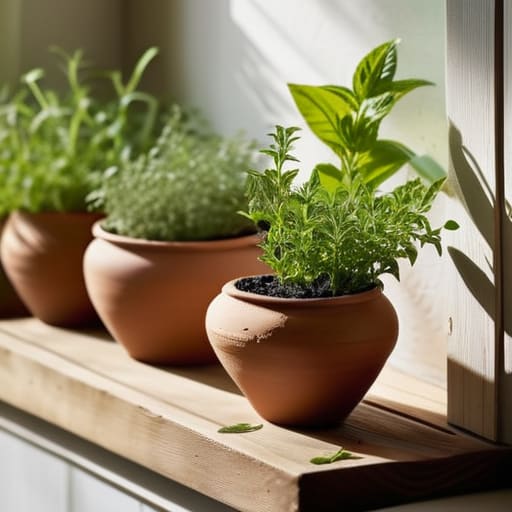
Think of your pots as tiny, ceramic stages, each one waiting for a new protagonist to take center stage. When it comes to growing herbs in containers, you aren’t just planting seeds; you are essentially coding a small, living ecosystem. Just like choosing the right hardware for a VR installation, your choice of vessel matters. You’ll want containers with generous drainage—think of them as the ventilation systems of your garden—to ensure your herbs don’t end up “overheated” by too much moisture.
Now, let’s talk about the cast of characters. If your apartment feels a bit more like a cozy, dimly lit jazz club than a sun-drenched studio, don’t fret! There are plenty of best herbs for low light indoors, such as mint or chives, that thrive even when the sun isn’t performing a solo. As you begin this journey of sculpting life from tiny seeds, remember that patience is your most important tool. Much like waiting for a complex render to finish, watching a seedling break through the soil is a slow, beautiful process of digital-to-biological translation that never fails to inspire me.
Tuning Your Greenhouse Symphony: 5 Pro-Tips for Harmonious Growth
- Think of sunlight as your garden’s primary power source; just like a high-res monitor needs a solid connection, your herbs need a bright, sunny window to keep their “pixels” vibrant and green.
- Don’t let your plants drown in a digital deluge—water them like you’re adjusting the volume on a speaker, seeking that perfect, gentle level rather than cranking it to a chaotic max.
- Treat your soil like the underlying code of an installation; it needs to be rich, well-structured, and full of the right nutrients to ensure your herb “software” runs without any glitches.
- Airflow is the silent choreographer of your indoor garden; keep a little breeze moving around to prevent stagnant pockets, much like how a smooth frame rate keeps a VR experience from feeling clunky.
- Be patient with your growing loops; just as a complex algorithm takes time to process, your tiny seeds need a steady, rhythmic environment to compile into the lush, fragrant masterpieces you’re dreaming of.
Tending Your Living Masterpiece
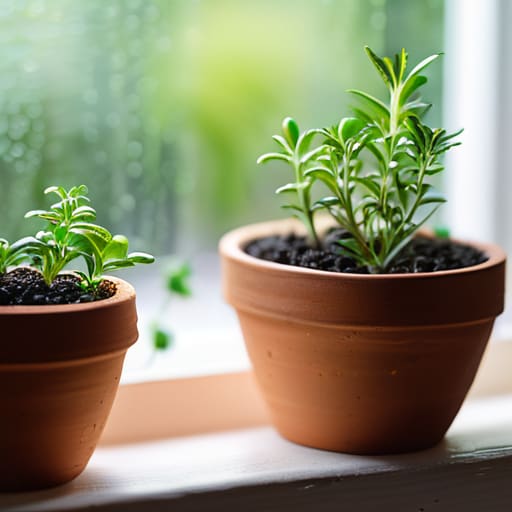
As we wrap up our little foray into indoor horticulture, remember that you’ve essentially just begun your journey as a digital artist, only your medium is soil, sunlight, and water instead of code and pixels. We’ve talked about curating your perfect windowsill canvas, selecting the right containers to act as the “hardware” for your plants, and the delicate process of sculpting life from those tiny, dormant seeds. It might feel a bit like debugging a complex script at first—a bit of trial, a lot of error, and perhaps a few wilted leaves along the way—but every small sprout is a successful iteration of life. Just keep observing the patterns, adjusting your light levels, and treating your herb garden as a dynamic, living installation that evolves with every passing day.
Beyond the basil and the rosemary, I hope you see this project for what it truly is: a way to weave a little more organic magic into your modern, tech-driven sanctuary. Growing something from scratch reminds us that even in a world of high-speed data and virtual realities, there is an irreplaceable beauty in the slow, rhythmic pulse of nature. Don’t be afraid to get your hands a little dirty or to experiment with new “textures” in your garden. Let these herbs be more than just ingredients; let them be a testament to your creative connectivity with the earth. Happy planting, and I can’t wait to see what you grow!