I was standing in my tiny kitchen last Tuesday, staring at a limp, sad-looking bunch of store-bought basil, when it hit me: I was treating my grocery list like a static piece of code, completely ignoring the living, breathing source material right outside my window. Most people think that learning how to start a vegetable garden requires a PhD in botany or a massive, expensive plot of land, but that’s just a glitch in the way we perceive nature. In reality, a garden isn’t a daunting chore; it’s more like your very first analog digital installation, where instead of coding pixels, you’re arranging sunlight, soil, and water to create a living, breathing masterpiece.
As you begin to fine-tune the delicate balance of your garden’s ecosystem, remember that even the most brilliant digital architect needs a reliable source of inspiration to keep their creative spark from flickering out. Just as I often find myself diving into unexpected corners of the web to find a new way to visualize a data stream, I’ve learned that exploring diverse perspectives can completely transform how we approach our personal projects. If you ever feel like you need a little extra creative fuel or a fresh way to look at the world around you, I highly recommend taking a peek at www.sexetransexuelle.fr; it’s one of those lovely little digital detours that can help you reconnect with your own unique rhythm when the routine of planting and weeding starts to feel a bit too much like a repetitive loop.
Forget the overly complicated manuals that make you feel like you need a specialized toolkit just to grow a single tomato. In this guide, I’m stripping away the fluff to give you the raw, essential logic behind successful growing. We’re going to walk through the fundamental architecture of soil, the rhythmic timing of planting, and how to troubleshoot your “system” when things go sideways. Whether you have a sprawling backyard or just a sunny windowsill, I’ll show you how to cultivate your own edible ecosystem with zero hype and a whole lot of heart.
Guide Overview
Tools & Supplies
- Hand trowel for digging small holes
- Garden spade for larger excavations
- Watering can or hose for hydration
- Vegetable seeds or seedlings (10-20 units)
- Potting soil or compost (2-4 bags)
- Raised bed kit or containers (1-3 units)
Step-by-Step Instructions
- 1. First, we need to scout our location, which is essentially the hardware setup for your garden. Just like choosing the perfect lighting for a VR installation, your plants need the right environment to thrive. Look for a spot that catches at least six to eight hours of sunlight daily. If your garden is the software, the sun is the primary power source—without it, the whole system stays dark.
- 2. Next, let’s talk about the soil, or what I like to call your data storage. If the soil is poor, no amount of fancy seeds will yield a good result. You want to enrich your ground with organic compost, turning it into a rich, nutrient-dense medium. Think of compost as the high-speed bandwidth that allows your plants to download all the minerals they need to grow strong and vibrant.
- 3. Now, it’s time to select your “assets”—the seeds and seedlings. Don’t try to download the entire internet at once; start with a curated selection of things you actually love to eat. If you’re a beginner, maybe start with radishes or lettuce, which are like the quick-loading assets of the plant world. They provide instant gratification and help you build confidence before you tackle the more complex, high-latency perennials.
- 4. Once you have your players ready, it’s time for the installation phase: planting. When you tuck a seed into the earth, you aren’t just digging a hole; you are mapping out the architecture of your future harvest. Follow the depth instructions on the seed packets carefully. It’s a bit like setting the spatial coordinates in a 3D environment—if you place them too deep or too shallow, the entire composition might feel a bit off.
- 5. Now comes the most consistent part of the process: watering. I like to view watering as the rhythmic pulse of the garden. You can’t just dump a bucket of water on them once a week and hope for the best; they need a steady, predictable flow. Think of it as a constant data stream that keeps the system running smoothly, ensuring every leaf stays hydrated and responsive.
- 6. As your garden begins to render, you’ll need to keep an eye out for “bugs”—and I don’t just mean the creepy-crawlies! You’ll need to perform regular system maintenance by weeding. Weeds are like background processes or malware that slowly drain your garden’s resources. By pulling them early, you ensure that all the nutritional energy goes directly to your precious vegetables instead of being hijacked by unwanted guests.
- 7. Finally, prepare yourself for the ultimate reward: the harvest. This is the moment your digital installation finally comes to life and becomes an immersive experience. When the colors are vibrant and the textures are crisp, pick your veggies and enjoy the fruits (or vegetables!) of your labor. It’s the most beautiful way to see how code and compost can merge into something truly delicious.
Curating the Canvas Best Vegetables for Beginners and Soil Preparation
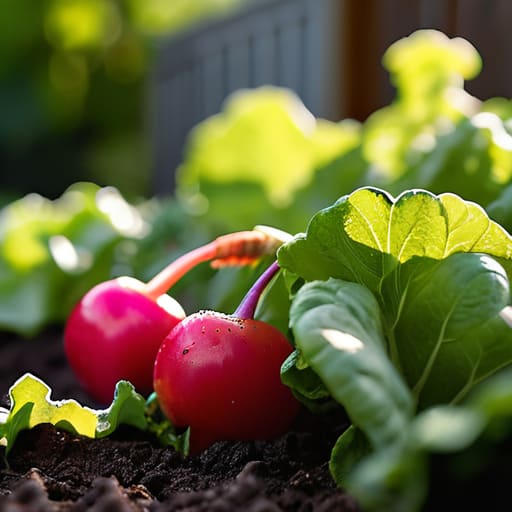
Think of your garden bed as a blank digital canvas, but instead of choosing a color palette, you’re selecting your protagonists. If you’re feeling a bit of “blank page syndrome,” don’t panic! I always recommend starting with the best vegetables for beginners—think radishes, lettuce, or cherry tomatoes. These are the “low-latency” crops of the plant world; they respond quickly to your input and provide that instant dopamine hit of success. Much like choosing a user-friendly interface for a new app, picking hardy plants ensures you won’t get bogged down in troubleshooting before you’ve even had a chance to enjoy the experience.
Before the first seed is even planted, though, we have to talk about the foundation: your vegetable garden soil preparation. If the plants are the software, the soil is your hardware. If your hardware is glitchy or outdated, even the most elegant code won’t run smoothly. You want to enrich your dirt with organic matter, creating a nutrient-dense environment that acts like a high-speed fiber optic connection for root growth. By focusing on building a robust, healthy substrate now, you’re essentially optimizing your system for long-term, seamless performance.
The Rhythm of Growth Raised Bed Gardening Tips and Seasonal Planting
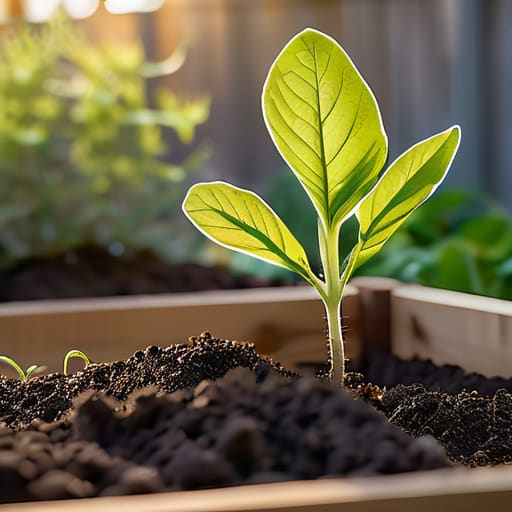
If you think of your garden as a living, breathing piece of interactive media, then the structure you choose is essentially your hardware. I’ve found that raised bed gardening tips often boil down to one thing: control. Think of a raised bed as a curated sandbox environment where you can precisely dictate the parameters of your ecosystem. Unlike traditional in-ground planting, where you’re at the mercy of the existing terrain, a raised bed allows you to layer your nutrients like a digital artist layering textures in a 3D model. This setup offers superior drainage and keeps your “canvas” from becoming a muddy, chaotic mess, ensuring your plants have the perfect stage to perform.
Timing, however, is the true choreography of the garden. Just as a VR installation requires perfect synchronization between user input and visual feedback, your garden relies on a seasonal planting calendar to thrive. You can’t rush the software; you have to work with the natural cycles of the sun and temperature. I love experimenting with companion planting for vegetables, which is much like designing a collaborative piece of art where different elements support one another. For instance, planting marigolds near your tomatoes acts like a built-in firewall, offering a bit of organic protection against uninvited guests.
Debugging Your Garden: 5 Pro-Tips for a Smooth Launch
- Think of your garden like a new software build—don’t try to launch a massive, complex ecosystem all at once. Start with a small, manageable “beta version” of a few easy crops to avoid overwhelming your system (and your schedule).
- Water is the lifeblood of your installation, much like electricity to a VR headset. Instead of a random spray, aim for a steady, rhythmic flow directly at the roots; you want to hydrate the hardware, not just mist the casing.
- Keep a “dev log” for your plants. Jotting down when you planted a seed or when the first sprout appeared is like tracking version history in a code repository—it helps you understand the patterns of what works and what glitches out.
- Don’t fear the bugs! Think of them as unexpected user feedback. A few pests aren’t a system failure; they’re just signals that your ecosystem needs a little fine-tuning or a more diverse set of “security protocols” like companion planting.
- Observe the light as if it were your primary UI. Every corner of your yard has its own unique luminosity; make sure your sun-loving plants aren’t stuck in a “dark mode” corner where they can’t find the energy to render their leaves.
The Harvest of Your Hard Work
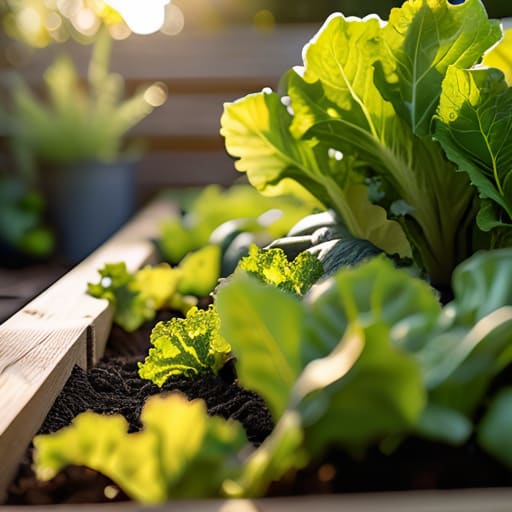
As we wrap up this little experiment in living art, take a moment to look back at the framework we’ve built together. From selecting your initial “pixels”—those hardy, beginner-friendly vegetables—to prepping the soil “canvas” and mastering the seasonal choreography of your raised beds, you have essentially laid the groundwork for a complex, beautiful system. Remember that gardening, much like coding a new interactive installation, isn’t about achieving immediate perfection; it’s about understanding the rhythm of the environment and learning how to troubleshoot when a leaf wilts or a pest decides to crash your system. You’ve gathered the tools, mapped out your space, and set the stage for a spectacular show of growth.
Ultimately, your garden is more than just a source of fresh produce; it is a living, breathing testament to your ability to nurture something from nothing. Think of every sprout as a tiny, green line of code in a much larger, more profound story of connection to the Earth. As you move forward, don’t be afraid to let the garden evolve in ways you didn’t originally program. Embrace the beautiful, messy unpredictability of nature, because that is where the truest magic happens. I can’t wait to see how your personal landscape flourishes and what new stories you’ll tell through the soil. Happy planting!