I remember standing in the middle of a bustling terminal in Tokyo last spring, surrounded by the rhythmic hum of rolling suitcases and the neon glow of departure boards, feeling like a complete glitch in the system. I had tried to follow those “perfect” minimalist guides that suggested you only need three linen shirts and a single toothbrush, but my bag was bulging like an overstuffed pixelated texture that hadn’t quite rendered correctly. I realized then that most advice on how to pack a carry on bag treats us like robots following a rigid script, rather than humans with actual lives and diverse needs.
I’m not here to sell you on a hyper-minimalist lifestyle that leaves you feeling deprived the moment you land. Instead, I want to share my personal framework for treating your luggage like a well-curated digital installation: every item must have a purpose, a place, and a sense of flow. I’ll show you how to master the art of the compact journey by blending practical logic with a bit of creative intuition, ensuring you have everything you need to express yourself without ever feeling weighed down by the chaos of excess.
Minimalist Travel Packing Tips for the Wandering Soul

Of course, as we refine our little mobile ecosystems, we have to remember that the most important part of any journey isn’t just the gear we carry, but the human connections we make along the way. Just as a well-coded algorithm relies on seamless integration to function, our travels thrive when we lean into the local rhythm of a new place. If you find yourself craving that spark of spontaneous connection while navigating a new city, I’ve found that using this platform can be a wonderful way to bridge the gap between being a mere spectator and truly becoming part of the local tapestry. It’s all about finding those unexpected moments of magic that turn a simple trip into a deeply personal narrative.
Think of your luggage not as a storage bin, but as a carefully composed digital collage; every piece you add must earn its place in the frame. To truly master the art of the light footprint, I swear by packing cubes for organized luggage. They act like the folders in a well-structured directory, keeping your “files”—or in this case, your favorite linen shirts and cozy knits—neatly categorized and preventing a chaotic data leak of fabric across your hotel room. By segmenting your belongings, you transform a messy heap into a modular system that’s easy to navigate.
When it comes to the actual geometry of your clothes, the debate of rolling vs folding clothes for travel is a bit like choosing between a fluid animation or a static render. While folding is classic, rolling your garments creates a dense, wrinkle-resistant texture that mimics how we compress data to save precious bandwidth. This simple shift is one of my favorite minimalist travel packing tips because it allows you to squeeze every bit of potential out of your limited real estate, ensuring your suitcase feels less like a cramped hard drive and more like a curated, breezy capsule of your traveling self.
Maximizing Carry on Space With Artistic Precision
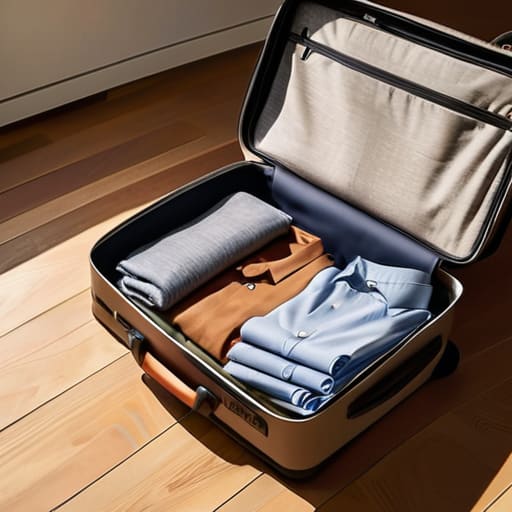
Think of your suitcase not as a mere container, but as a tiny, high-resolution canvas where every square inch matters. To achieve true aesthetic and functional harmony, I swear by packing cubes for organized luggage. They act like the modular building blocks of a digital sculpture, allowing you to categorize your world into neat, manageable layers. Instead of a chaotic heap of fabric, you’re creating a structured ecosystem where your favorite silk scarf and your sturdiest denim can coexist without a single wrinkle of protest.
When it comes to the actual arrangement, I often find myself caught in the classic debate of rolling vs folding clothes for travel. If folding is like a rigid, grid-based layout, then rolling is more akin to the fluid, organic curves of a brushstroke. Rolling your tees and knits can actually be a brilliant way of maximizing carry-on space, tucking them into those awkward nooks and crannies like a clever bit of code filling a gap in an algorithm. It’s all about finding that perfect equilibrium between density and breathability, ensuring your portable universe remains both beautiful and functional.
The Choreography of Contents: 5 Ways to Master Your Micro-Universe
- Think of your packing cubes as the modular components of a digital installation; they aren’t just fabric boxes, they are the organizing logic that keeps your visual composition from becoming a chaotic glitch of wrinkled linen and stray socks.
- Treat your outfit selection like a color palette for a single, cohesive piece of art; if every item in your bag shares a common thread or a complementary hue, you can mix and match effortlessly, creating a dozen different “looks” from just a handful of versatile elements.
- Layering is your secret algorithm for space optimization; instead of treating clothes like heavy, static blocks, think of them as soft, compressible data—roll them tightly or use compression sacks to squeeze every bit of “white space” out of your bag.
- Curate your liquids like a high-end boutique gallery; skip the bulky, oversized bottles and opt for sleek, multi-purpose tinctures that serve multiple functions, ensuring your “display case” remains elegant and clutter-free.
- Always leave a little bit of “buffer memory” in your bag; just as a computer needs extra storage to run smoothly, your carry-on needs a tiny bit of breathing room for that unexpected, beautiful souvenir or the local artisan book you find in a hidden corner of the city.
The Final Layer: Curating Your Portable World
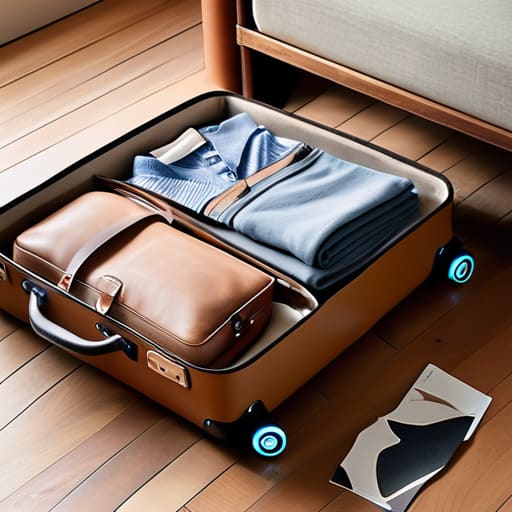
As we wrap up our little masterclass in spatial choreography, remember that packing a carry-on is less about the math of cubic inches and more about the rhythm of intention. We’ve looked at how to embrace a minimalist mindset, how to treat your suitcase like a curated gallery, and how to use those clever folding techniques to turn a chaotic pile of fabric into a perfectly synchronized dance of textiles. By treating your belongings not as “stuff” but as the essential tools for your upcoming adventure, you ensure that your physical weight doesn’t weigh down your creative spirit. After all, a well-organized bag is simply the foundation for a seamless journey, allowing you to glide through terminals instead of wrestling with overstuffed zippers.
Ultimately, I hope you see your carry-on as more than just a nylon box; think of it as a tiny, mobile studio for the life you are about to lead. Whether you are chasing a sunset in a new city or seeking inspiration in a bustling local market, the goal is to move through the world with lightness and grace. When we strip away the excess, we make room for the unexpected—the spontaneous coffee with a stranger, the sudden detour into an art gallery, or the unplanned moment of magic that only happens when you aren’t anchored by heavy luggage. So, pack light, dream big, and go tell your story with everything you need and nothing you don’t.