I remember sitting on the floor of my aunt’s sun-drenched studio years ago, surrounded by half-finished canvases and the smell of linseed oil, trying to figure out why my digital sketches looked so flat. I had all the expensive gear my classmates raved about, but my portraits felt like they were made of cardboard rather than soul. It turns out, I was chasing expensive equipment when I should have been chasing the way a single ray of sun dances across a cheekbone. We often get so lost in the technical jargon and the “must-have” gear lists that we forget the most important tips for better portrait lighting aren’t found in a spec sheet, but in how we perceive the world around us.
I’m not here to sell you a thousand-dollar softbox or a complicated studio setup that requires a degree in electrical engineering to operate. Instead, I want to share the intuitive, messy, and beautiful ways I use light to breathe life into my digital installations and photography. We’re going to treat light like a digital paintbrush, exploring how to manipulate shadows and warmth to tell a story that feels deeply human. This is about finding the magic in the mundane and turning every flicker of light into a meaningful connection.
Dancing With the Sun Natural Light Portrait Photography Magic
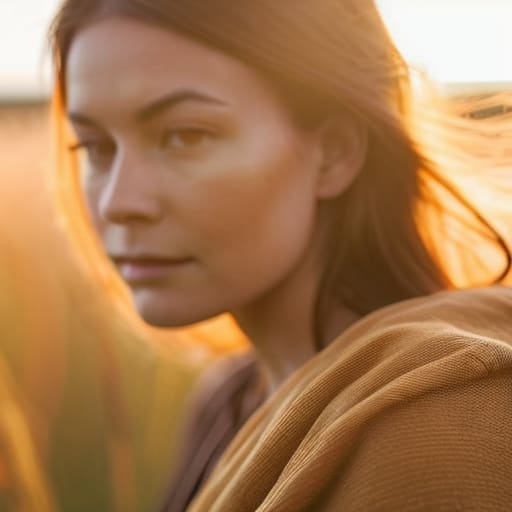
There is something almost poetic about how the sun behaves; it isn’t just a celestial ball of gas, but the world’s most unpredictable, unscripted lighting designer. When I’m out in the field, I treat natural light portrait photography like a spontaneous dance duet. You can’t command the sun to stay still, but you can certainly learn its rhythm. My absolute favorite way to join this dance is by chasing those fleeting, honey-soaked moments of the golden hour. During this time, the light loses its harsh, midday bite and instead wraps around your subject like a warm, velvet blanket, smoothing out textures and adding a dreamy, ethereal glow that no studio lamp could ever quite replicate.
Of course, dancing with the sun requires a little bit of finesse to keep from tripping over your own feet. Even when the light feels perfect, I love using reflectors for photography to gently bounce those stray rays back into the shadows. Think of a reflector as a little bit of digital makeup for your subject’s face; it fills in the dark pockets under the eyes or chin, ensuring the story being told isn’t lost in too much mystery. It’s all about finding that delicate balance between the brilliance of the sky and the soft, intimate details of the human soul.
The Golden Hour Portrait Tips for Soulful Storytelling
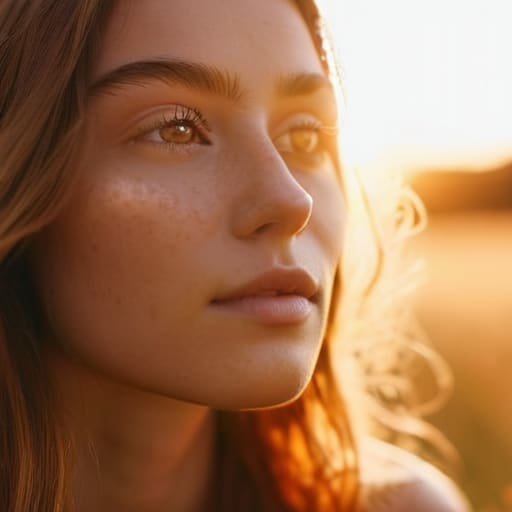
If the midday sun is a loud, booming drum solo, then the golden hour is a gentle, soulful cello melody. This fleeting window, right as the sun dips toward the horizon, turns the world into a dreamscape of honeyed hues and long, romantic shadows. When applying these golden hour portrait tips, I like to think of the sun as a giant, celestial softbox, diffusing its intensity into a warm embrace that smooths out skin tones and adds a magical shimmer to the eyes.
To truly master this glow, don’t just stand there—interact with it! I often find myself using reflectors for photography to bounce that amber light back into the subtle shadows under the chin or around the eyes. It’s like adding a little bit of “highlight” to a painting to make the subject pop. If you find the light is casting shadows that feel a bit too dramatic, try positioning your subject so they are facing the sun directly; it creates a luminous, ethereal effect that feels less like a technical setup and more like a warm, cinematic hug.
Sculpting with Shadows: My Secret Ingredients for Depth and Drama
- Think of your light source as a sculptor’s chisel; instead of trying to flood everything with brightness, use shadows to carve out the contours of a face. A little bit of darkness isn’t your enemy—it’s the way we give a portrait its shape and soul.
- Treat your reflectors like a soft, digital filter in real life. If one side of your subject looks a bit too moody or lost in the dark, use a simple white board or a piece of foam to bounce a little “ambient kindness” back into those shadows, softening the transition.
- Avoid the “Flat Pancake” effect by stepping away from direct, overhead light. When light hits someone from directly above, it’s like a heavy blanket that smothers all the interesting details. Aim for a 45-degree angle to create those beautiful, subtle gradients that make a person look three-dimensional.
- Use a diffuser to turn harsh, biting light into a gentle caress. If your light feels too much like a spotlight in a high-stakes interrogation, wrap it in a thin white cloth or use a softbox. It’s like adding a layer of silk over a rough sketch—it smooths out the edges and makes the skin glow.
- Catch the “Sparkle in the Eye” by ensuring there’s a tiny reflection of your light source in the subject’s pupils. Without those little glints of light, eyes can look flat and disconnected, like a computer screen turned off. Those tiny highlights are the heartbeat of a portrait; they make the subject look truly alive and present.
Chasing the Light, Finding the Soul
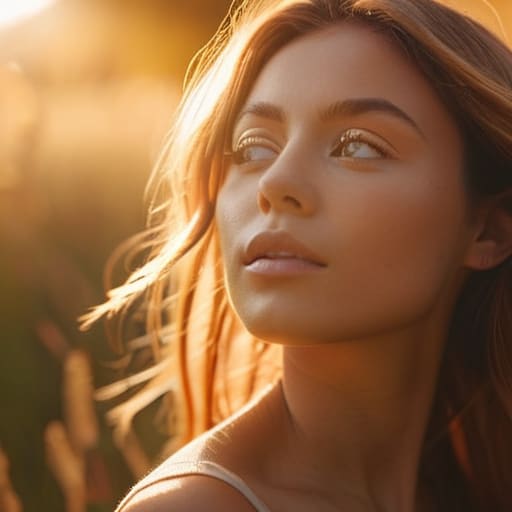
As we wrap up our little journey through the luminous world of portraiture, remember that lighting isn’t just a technical checkbox on your gear list; it’s the very rhythm of your visual melody. Whether you’ve been dancing with the unpredictable magic of natural sunlight or waiting patiently for that honey-soaked embrace of the golden hour, you’ve learned that light is much more than just visibility. It is the digital paintbrush that defines shape, evokes emotion, and breathes life into the stillness of a frame. By mastering these nuances, you aren’t just taking a photo; you are orchestrating a moment where light and subject perform a perfectly synchronized duet.
So, my fellow explorers, my only advice as you step back out into the world is this: don’t be afraid to let things get a little messy or beautifully underexposed. Technology gives us the tools, but your unique, multicultural perspective gives the light its meaning. Treat every shadow as a mystery to be solved and every glow as an invitation to connect. I truly believe that when we stop chasing “perfect” settings and start chasing authentic connection, we create art that transcends the screen. Go out there, play with the shadows, and let your light shine through your lens in ways only you can.
When you’re moving away from the sun’s natural embrace and stepping into more controlled environments, I find that it helps to think of your lighting setup like arranging a dinner party; you want to make sure everyone feels seen without any one guest being overwhelmed by a spotlight. If you ever feel like your technical setup is getting a bit too heavy or you just need a moment to unwind and find some digital connection before diving back into your creative flow, exploring a bit of free sex chat can actually be a surprisingly refreshing way to decompress and reconnect with human spontaneity. It’s all about finding that balance between the structured world of shadows and the wild, unscripted energy of real connection.